September 24, 2026
The Right Approach to Planning Water Storage for Multi-Building Developments
Learn the right approach to planning water storage for multi-building developments:
Overview
- To determine whether you should replace or upgrade your commercial water storage system, evaluate performance, repair costs, and capacity needs.
- Minor wear and outdated components call for targeted retrofits or refurbishment.
- However, severe structural damage, end-of-life status, recurring repair expenses, or facility growth warrant a complete replacement with customized modular storage.
Every repair or upgrade decision can affect a facility’s long-term operating costs and reliability. To determine “should you replace or upgrade your commercial water storage system,” operations managers should assess performance, recurring repair expenses, capacity requirements, and future operational plans.
Choosing the right water tank in the Philippines also means considering whether the existing setup can continue meeting the facility’s changing demands without creating unnecessary costs or disruptions.
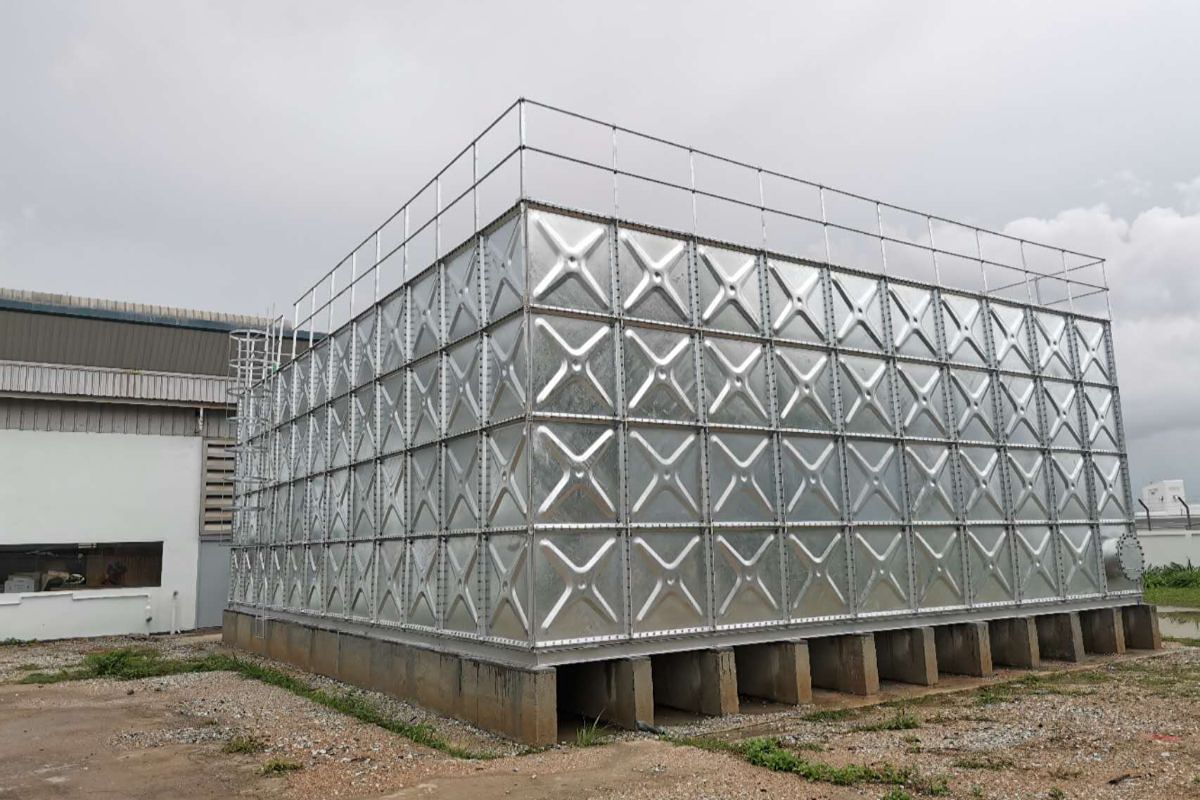
Upgrading is often the practical option when the main structure remains sound, and the system can still meet the facility’s storage requirements. Refurbishment or retrofitting focuses on correcting specific weaknesses, improving performance, or replacing aging components without removing the entire storage system.
Surface deterioration, worn fittings, aging valves, or minor leaks do not automatically mean that an entire water storage system needs to be replaced. When these issues are isolated and have not compromised the tank’s structural integrity, targeted repairs may restore reliable performance.
The key is to determine whether the problem is localized or part of a larger pattern of deterioration. A professional assessment can help distinguish manageable wear from early signs of structural failure.
An upgrade can require a smaller upfront investment than complete replacement, particularly when the existing tank structure remains in good condition. Replacing selected components or improving specific parts of the system may address operational issues without the cost of dismantling and installing an entirely new setup.
However, lower immediate cost should not be the only consideration. Facilities should compare the expected lifespan and future maintenance requirements of the upgraded system against the cost of replacement.
Modern components can improve how an existing water storage system operates. Upgraded pumps, valves, level indicators, controls, and monitoring equipment can provide better visibility and help facilities manage water use more efficiently.
Retrofitting these parts can be particularly useful when the tank itself remains structurally reliable. Aqua Cube Tank offers FRP/GRP modular water tanks that can be configured around the required capacity, available installation space, and operational needs. This gives businesses a great alternative and allows the new storage solution to be planned around existing requirements and future expansion.
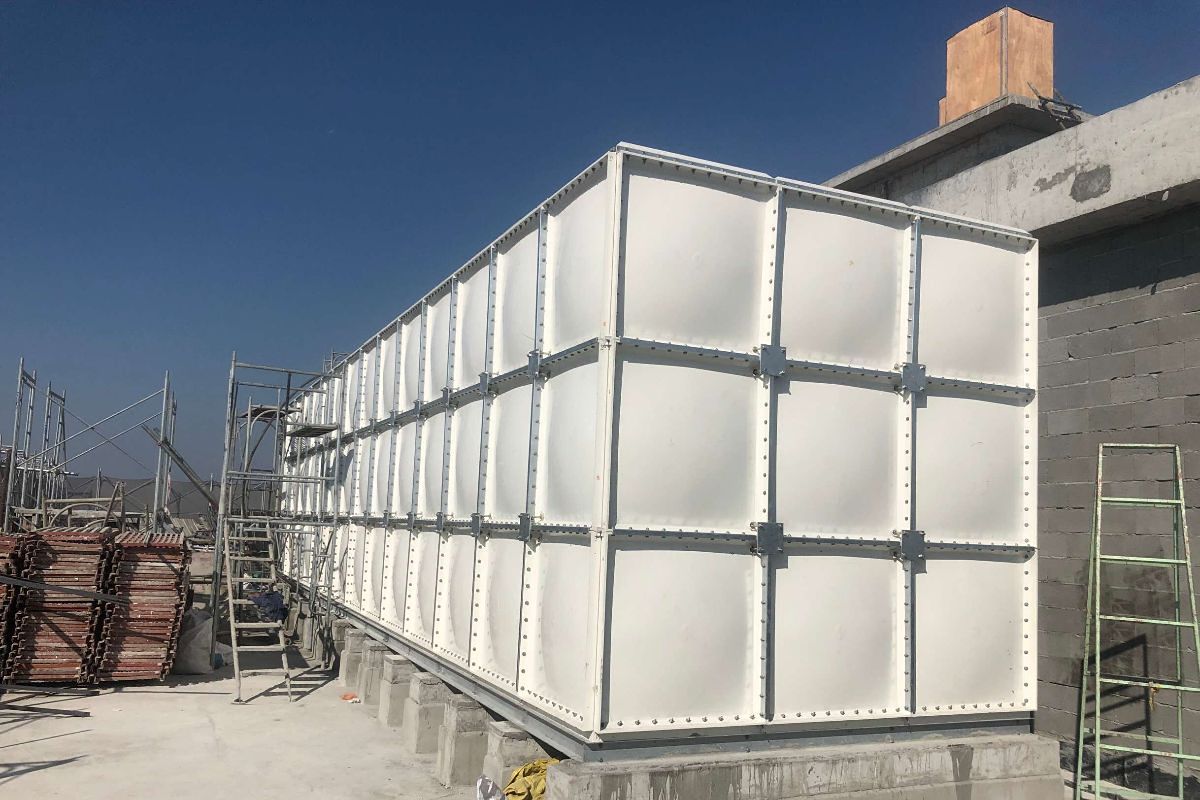
Replacement becomes the more practical choice when repairs can no longer restore dependable performance or when the existing system no longer matches operational requirements. Continuing to invest in a deteriorating or undersized tank can eventually cost more than installing a solution designed for the facility’s current needs.
Serious corrosion, structural deformation, extensive cracking, or recurring leaks can indicate that a tank has moved beyond practical repair. These conditions may compromise its ability to store water safely and can create a growing risk of unexpected failure.
When damage affects multiple areas or keeps returning after repairs, replacing the system may be a more reliable solution than repeatedly addressing the same problems.
Every water storage system has a practical service life influenced by its material, operating environment, maintenance history, and usage conditions. As a tank approaches the end of its useful life, repairs may become more frequent and less effective.
Facilities should not wait for complete failure before planning a replacement. Reviewing the system’s condition and maintenance history early allows managers to schedule upgrades or replacement with less disruption to operations.
A useful question to ask is not simply, “Can this system still be repaired?” but rather, “Does continued repair still make financial sense?” Frequent spending on leaks, damaged components, coatings, or structural work can =exceed the value of keeping the existing system in service.
Tracking maintenance expenses over time gives operations managers a clearer basis for comparison. When repair costs keep rising without improving reliability, replacement may offer better long-term value.
Even a structurally sound tank may need to be replaced if it can no longer support the facility’s water requirements. Increased production, additional equipment, workforce growth, or expanded operations can place greater demand on a storage system originally designed for a smaller facility.
This is also an opportunity to reassess how future capacity will be accommodated. A replacement system should not only address current demand but also consider whether the facility may require additional storage as operations continue to grow.
Deciding should you replace or upgrade your commercial water storage system depends on the condition of your existing infrastructure. Minor wear, localized leaks, and outdated components can easily be resolved through targeted retrofitting or refurbishment. However, severe structural damage, rising repair costs, or expanding facility operations make a full replacement the more practical long-term investment.
At Aqua Cube Tank, we support organizations in reviewing water storage needs and execute solutions based on their demands. With FRP/GRP modular water tanks that can be configured based on capacity, available space, and site conditions, facilities can plan a replacement system that meets current standards. Reach out to us today to learn more.
Learn the right approach to planning water storage for multi-building developments:
Find out what happens when your water storage capacity is insufficient and how Aqua
Find out why modular water tanks are becoming standard for new commercial properties