September 24, 2026
The Right Approach to Planning Water Storage for Multi-Building Developments
Learn the right approach to planning water storage for multi-building developments:
Overview
- Deciding between commercial water tank rehabilitation and replacement depends on long-term value and operational risk.
- Rehabilitation suits units with minor degradation or tight budgets where phased repairs protect business continuity.
- However, systematic replacement is necessary when dealing with structural failures, exceeded lifespans, or growing capacity demands that require scalable options such as Aqua Cube Water Tank’s modular systems.
Aging commercial water tanks eventually lose efficiency. To maintain reliability and manage long-term costs, procurement teams must decide whether to rehabilitate the existing storage units or invest in new ones.
Determining whether to rehabilitate vs replace commercial water tank systems requires a careful evaluation of both current conditions and future operational demands. Factors such as structural integrity, business continuity, and capacity requirements can influence the most cost-effective course of action.
As a provider of expertly engineered water storage solutions, Aqua Cube Water Tank helps organizations assess these factors and implement systems that align with their operational requirements. Read on to learn more.
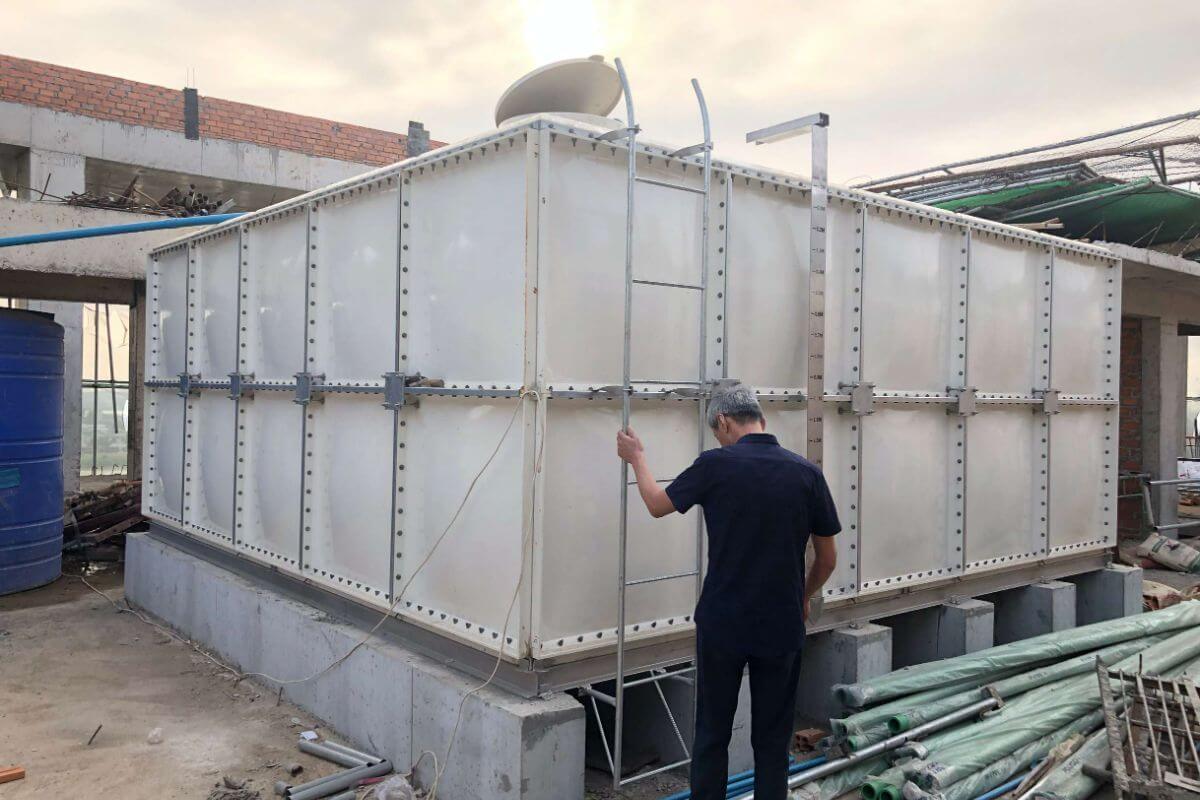
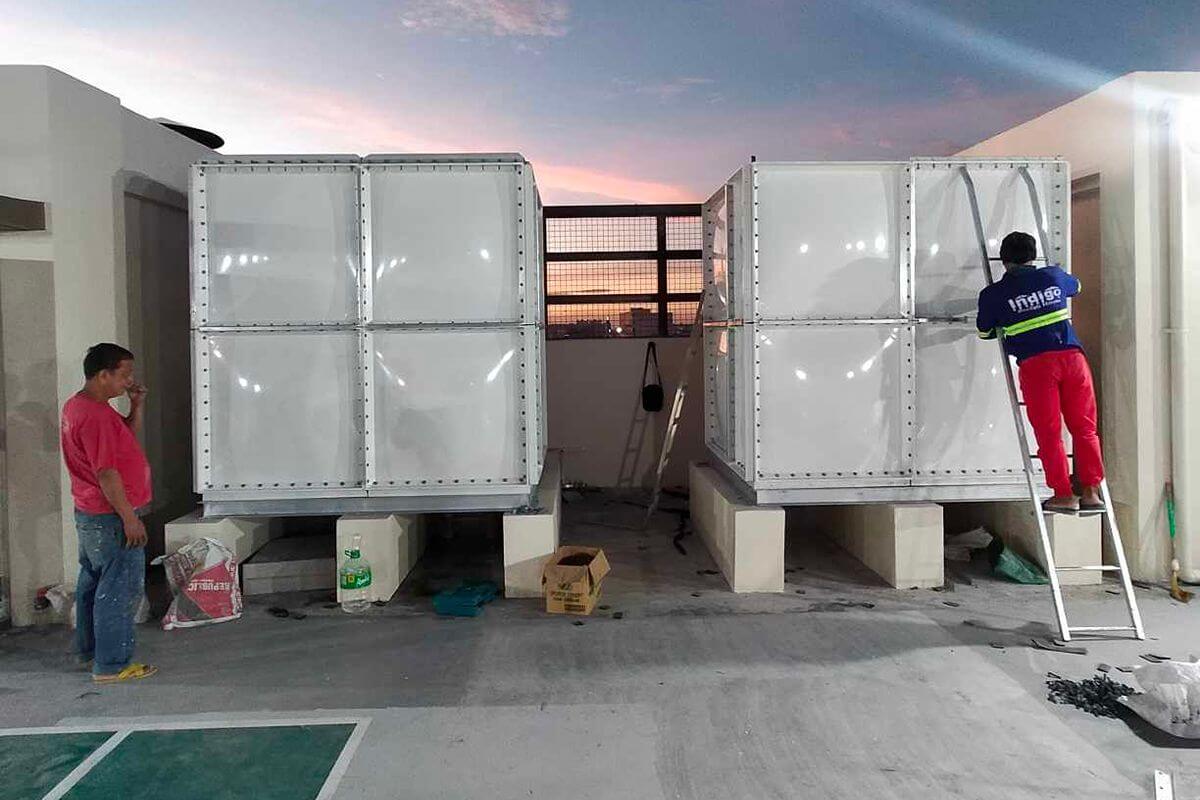
Rehabilitation is most effective when the tank’s core structure remains sound. Targeted repairs restore reliable performance and avoid the high costs of a full replacement.
Budget limitations justify rehabilitation only when repairs can meaningfully extend the tank’s lifespan. Procurement officers are often tasked with balancing immediate capital requirements with long-term infrastructure needs, making rehabilitation an attractive option when replacement funding is not immediately available.
Lower upfront repair costs don’t always equal better value. If a tank requires recurring maintenance, the cumulative cost can easily exceed the cost of a planned replacement. Before choosing rehabilitation, evaluate how much service life the repairs actually add—if long-term maintenance costs approach replacement costs, investing in a new system delivers superior value.
Routine maintenance is ideal if deterioration is minor and doesn’t threaten the tank’s overall integrity. Because surface wear rarely means a system is at the end of its lifespan, proper restoration can easily keep it operational. The key is distinguishing basic, repairable wear from more serious structural damage.
Evaluate whether observed issues are isolated or progressive by nature. Surface corrosion and localized gasket failures may be resolved by rehabilitation if the tank’s load-bearing components remain unaffected. However, when these conditions begin appearing across multiple areas or show signs of recurrence, rehabilitation may only delay further deterioration rather than stabilize system performance.
Rehabilitation becomes strategically relevant when uninterrupted water availability is critical to maintaining core operations. Many commercial and industrial facilities depend on a continuous supply for production processes and other operational functions. In these environments, the financial impact of downtime can sometimes exceed the cost of the rehabilitation project itself.
Repair activities can often be structured in phases, allowing sections of the system to remain functional while targeted improvements are implemented. This staged approach reduces the risk of full system shutdown and helps maintain partial operational capacity throughout the intervention period.
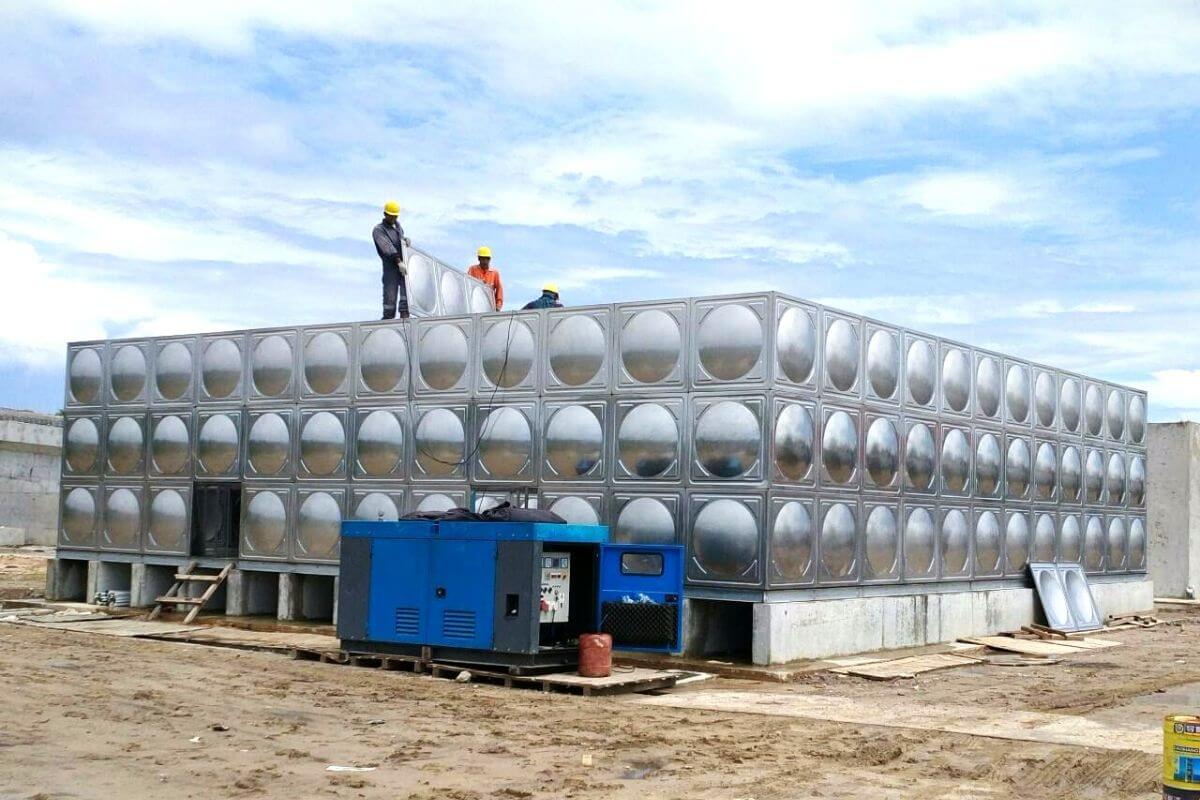
Replacement is the better investment when repairs can no longer effectively address the tank’s condition. While rehabilitation fixes isolated issues, continuing to fund an aging system eventually increases operational risk without delivering real value.
Structural failure requires replacement when the tank can no longer safely carry its normal operating loads, and repairs can no longer restore reliable performance. At this stage, the problem is no longer limited to damaged parts; the overall structure has lost its ability to function as a stable, load-bearing system.
Procurement officers should look for clear signs that the tank is no longer responding to repair efforts. These include problems such as permanent deformation or recurring joint separation after every repair. When these issues persist after intervention, further rehabilitation will only provide temporary corrections, incurring higher costs over time.
Every tank eventually reaches the practical limits of its service life. Even if the system remains operational, aging materials gradually become more susceptible to corrosion and maintenance-related issues. It is generally more cost-effective to replace the tank once it has reached or exceeded its expected lifespan.
Assuming a functioning tank is efficient is a common mistake. Aging units may operate normally while hiding hidden degradation that eventually compromises the water supply. Delaying intervention risks sudden failure, spikes repair costs, and introduces serious sanitary issues.
Increasing demand can make replacement necessary even when the existing tank remains in acceptable condition. In many cases, the limitation is not deterioration but the fact that the original system was designed for a different operational requirement. Changes such as facility expansion, production growth, or updated regulatory standards can push storage requirements beyond the tank’s original capacity.
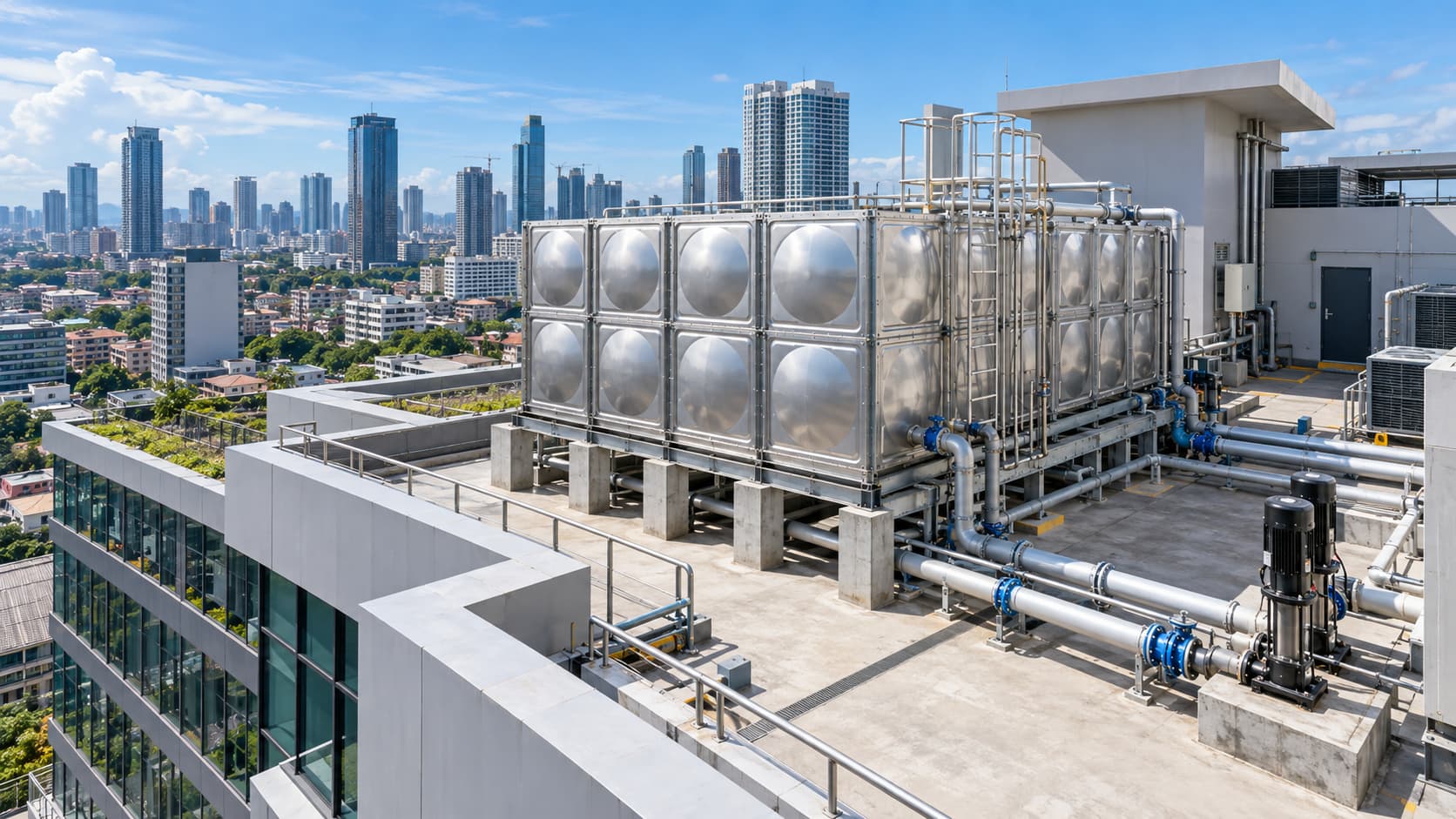
Replacing the tank with a properly sized system reduces the need for continuous operational adjustments. Reliable providers like Aqua Cube Water Tank offer FRP Modular Tank systems designed for scalable commercial water storage requirements. These systems are engineered for flexible configuration, allowing capacity to be adjusted based on site constraints. This makes them suitable for facilities where water demand is expected to grow over the long term.
Rehabilitation is often justified when minor repairs can still extend a unit’s service life. On the other hand, replacement becomes the stronger choice when operational requirements can no longer be adequately supported by corrective maintenance alone. Ultimately, the decision to rehabilitate vs replace commercial water tank systems should be based on the reliability and long-term value each option delivers.
Aqua Cube Water Tank provides engineered water storage solutions that help organizations address infrastructure risks and implement storage solutions aligned with long-term operational requirements. Contact us today to discuss a water storage system engineered for durable lifecycle performance.
Learn the right approach to planning water storage for multi-building developments:
Find out what happens when your water storage capacity is insufficient and how Aqua
Find out why modular water tanks are becoming standard for new commercial properties