June 18, 2026
The Role of Supplier Support When Choosing a Water Tank for Sale
Understand the role of supplier support when choosing a water tank for sale to ensure
Overview
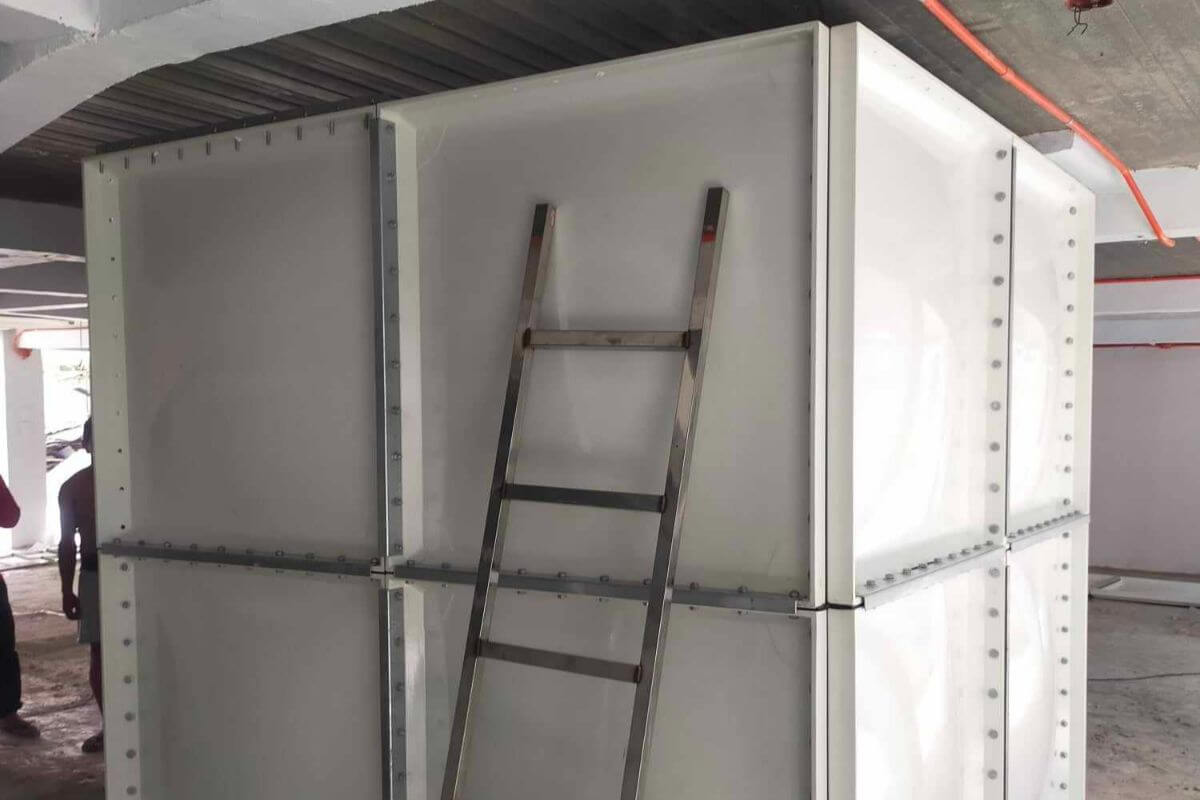
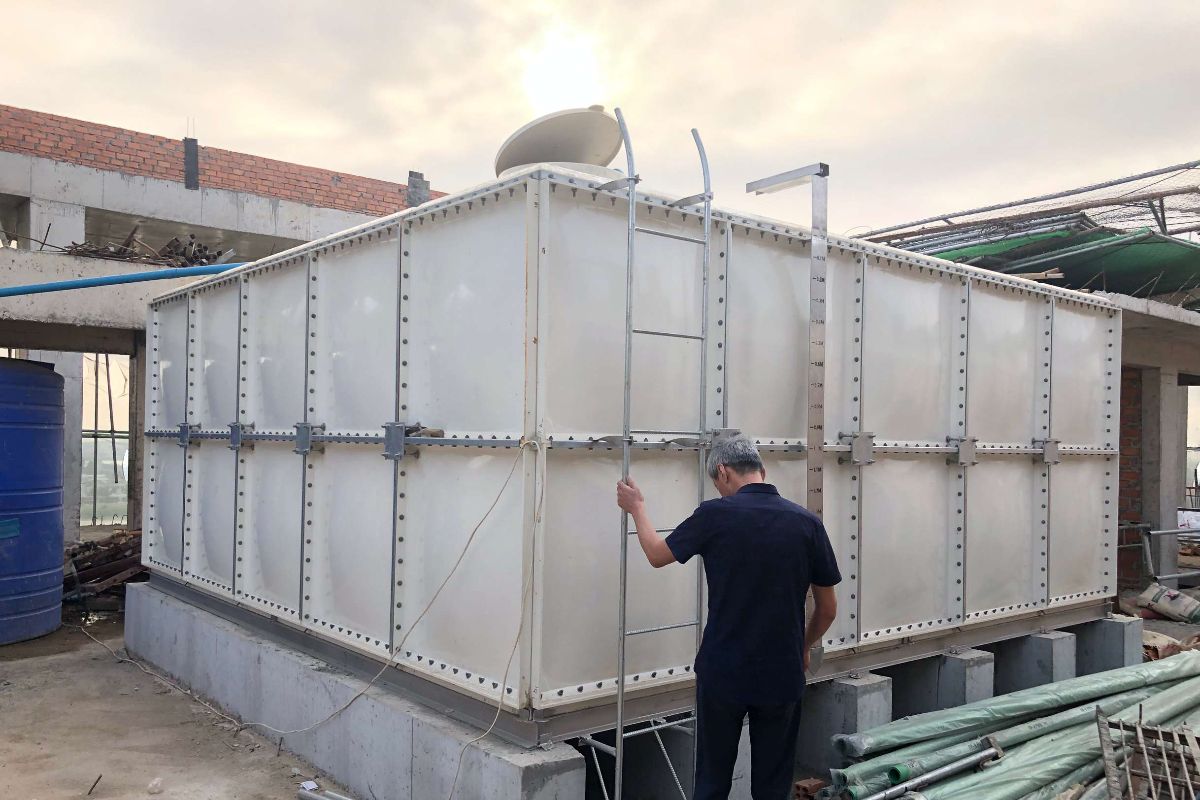
- FRP modular water storage tanks provide commercial and industrial facilities with safe, durable, and versatile liquid containment.
- Their corrosion resistance, lightweight construction, hygienic surfaces, and scalable design make them ideal for various applications.
- Aqua Cube Tank delivers engineered solutions that ensure uninterrupted operations, easy maintenance, and long-term reliability.
In commercial operations, reliable water and liquid storage are essential for smooth, uninterrupted processes. From maintaining a potable water supply to handling process fluids and wastewater, businesses face diverse storage challenges that demand durability, flexibility, and safety.
Understanding the commercial applications of FRP tanks can help organizations select the right solution for each operational need. With corrosion resistance, modular design, and low maintenance, FRP tanks offer a practical and efficient way to manage water and other liquids across industries.
In water treatment facilities and municipal systems, fiberglass-reinforced plastic tanks are widely used in sedimentation basins, clarifiers, pumping stations, treated water reservoirs, and emergency water storage.
These tanks are installed wherever large volumes of raw or treated water must be stored securely, helping prevent leaks and contamination while supporting uninterrupted treatment and distribution.
By placing these storage systems at critical points in the network, operators can maintain a reliable water supply for both routine operations and emergency situations.
Chemical manufacturing plants and pharmaceutical facilities rely on fiberglass tanks for intermediate chemical storage, reaction vessels, solvent holding, and laboratory process containment.
These composite storage solutions provide secure containment for reactive chemicals and solvents, helping protect personnel, equipment, and process integrity.
Their use allows facilities to manage hazardous liquids with confidence while maintaining efficient workflows and minimizing the risk of contamination or production delays.
High-volume food and beverage operations use FRP storage tanks for ingredient holding, including syrups, oils, and dairy products, as well as for process water in bottling and production areas.
Their non-corrosive surfaces and smooth interiors make them well-suited for environments that require strict hygiene and sanitation standards.
By integrating these tanks into production lines, manufacturers can scale storage capacity, maintain product quality, and reduce downtime caused by cleaning or maintenance.
In energy and fuel-related facilities, fiberglass storage tanks support diesel generator systems, auxiliary storage at fuel depots, and temporary fuel containment at remote sites.
Their modular construction allows installation in confined or hard-to-reach locations where secure liquid containment is essential.
This flexibility helps operators maintain a consistent fuel supply while reducing safety and environmental risks associated with corrosion or tank degradation.
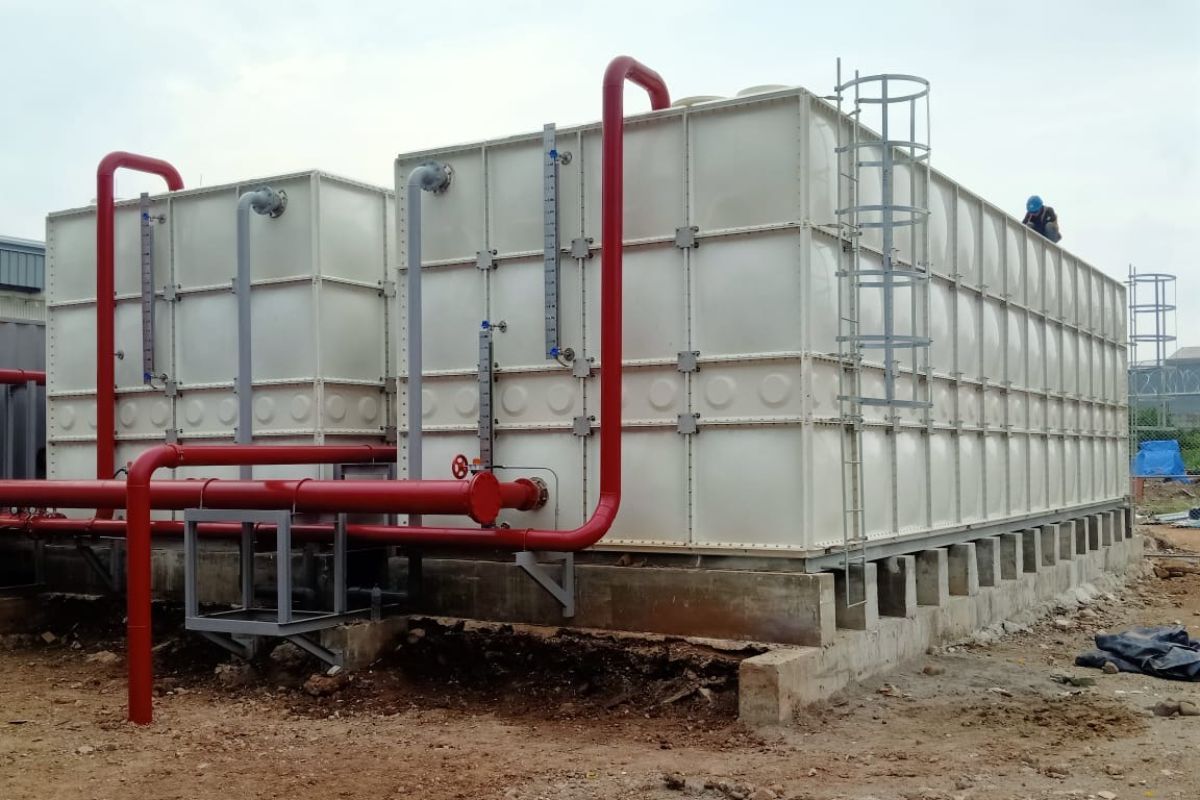
Commercial and industrial buildings depend on these types of tanks for fire protection storage, including rooftop installations, underground reserves, and sprinkler system supply.
These tanks ensure that water is readily available during emergency situations, supporting effective fire suppression and regulatory compliance.
By incorporating these storage solutions into fire protection systems, facilities can improve safety readiness and reduce the risk of operational disruptions.
Across manufacturing, mining, and textile operations, FRP tanks are used for process water storage, chemical holding, dust suppression, and intermediate liquid containment.
These liquid storage systems are installed wherever dependable containment is required to support continuous production, even in harsh or space-limited environments.
Their durability and corrosion resistance help facilities manage a wide range of liquids efficiently while keeping maintenance demands low.
Across commercial and industrial environments, FRP tank systems are widely selected for projects that require dependable liquid storage with minimal long-term risk. Their material properties and modular construction make them well-suited for managing water, chemicals, and process liquids under demanding operating conditions.
The following factors explain why these systems are commonly specified in engineered storage applications:
Corrosion resistance is one of the most critical considerations in tank selection. Fiberglass-reinforced systems do not degrade when exposed to moisture, chemicals, or biological activity, unlike traditional steel alternatives.
This performance makes them suitable for treated water, industrial chemicals, and aggressive liquids in environments where corrosion can lead to premature failure or increased lifecycle costs.
Panel-based composite tanks are significantly lighter than concrete or steel structures, allowing easier handling and on-site assembly.
This advantage supports installation in space-constrained areas such as rooftops, mechanical rooms, or retrofit locations, while reducing the need for heavy lifting equipment or structural reinforcement.
These reinforced tanks are engineered to perform under continuous use, temperature variations, and mechanical stress.
Their durability supports stable operation in industrial facilities, helping minimize downtime and reduce the risk of storage-related interruptions over the tank’s service life.
Smooth, non-porous interior surfaces allow for easier cleaning and sanitation. This is especially important in applications involving potable water, food processing, and pharmaceutical operations.
Consistent hygiene control helps maintain water quality and supports compliance with health and safety standards.
FRP water storage systems offer flexibility in both capacity and layout. Tanks can be configured to meet specific site requirements and adjusted as operational needs change.
This scalability allows facilities to expand storage capacity or reconfigure systems without replacing the entire tank installation.
Reliable water storage is critical in commercial and industrial operations. Aqua Cube Tank delivers modular storage systems designed for durability, efficient installation, and long-term performance in demanding environments.
Backed by over 30 years of research and development, our tanks are trusted for water, chemical, and fuel storage across multiple industries. Choosing Aqua Cube means working with a supplier that understands operational requirements, compliance standards, and the importance of minimizing downtime.
The commercial applications FRP tanks serve are as diverse as the industries that rely on them, from water treatment and chemical processing to energy storage and fire protection, and choosing the right system can mean the difference between smooth operations and costly interruptions.
With Aqua Cube Tank, you don’t just get a storage solution—you gain a reliable partner that delivers modular, durable, and adaptable tanks designed to meet your unique operational challenges.
Secure your facility’s water and liquid storage today by contacting us, and let us design a system that keeps your operations running efficiently, safely, and without compromise.
Understand the role of supplier support when choosing a water tank for sale to ensure
Identify the differences between water tank for sale vs modular systems to choose the

Consider whether to rehabilitate or replace a commercial water tank by evaluating key