October 21, 2026
What Do You Need to Know About GRP Tanks in the Philippines?
Discover what you need to know about GRP tanks in the Philippines, from their key
Overview
- Glass-reinforced plastic (GRP) modular tanks offer durable, rust-resistant water storage tailored to the Philippine climate.
- Featuring lightweight panels, hygienic surfaces, and modular scalability, they ensure long-term performance.
- Facilities should evaluate resin type, glass content, and stable foundation design, and conduct routine inspections and cleaning to maintain water quality.
Reliable water storage ensures continuous operations during Philippine supply disruptions. Beyond capacity, selection must prioritize material durability, making Glass Reinforced Plastic (GRP/FRP) composite tanks an optimal choice for long-term performance.
At Aqua Cube, we offer FRP modular water tanks for different storage applications. If you want to understand what you need to know about GRP tanks in the Philippines, we’ll cover their main advantages, important specifications, and essential installation and maintenance practices.
The Philippine climate can put water storage systems under stress. High humidity, heavy rainfall, and coastal conditions can affect certain tank materials over time. GRP tanks offer several advantages for industrial water storage.
Unlike traditional steel tanks, GRP tanks do not rust because they don’t rely on the same chemical reaction between iron, moisture, and oxygen. Their composite construction also resists many corrosive conditions. This makes them a practical option for coastal factories and ports where salt exposure can accelerate metal deterioration. Our article on FRP tanks in corrosive environments explains this advantage in greater detail.
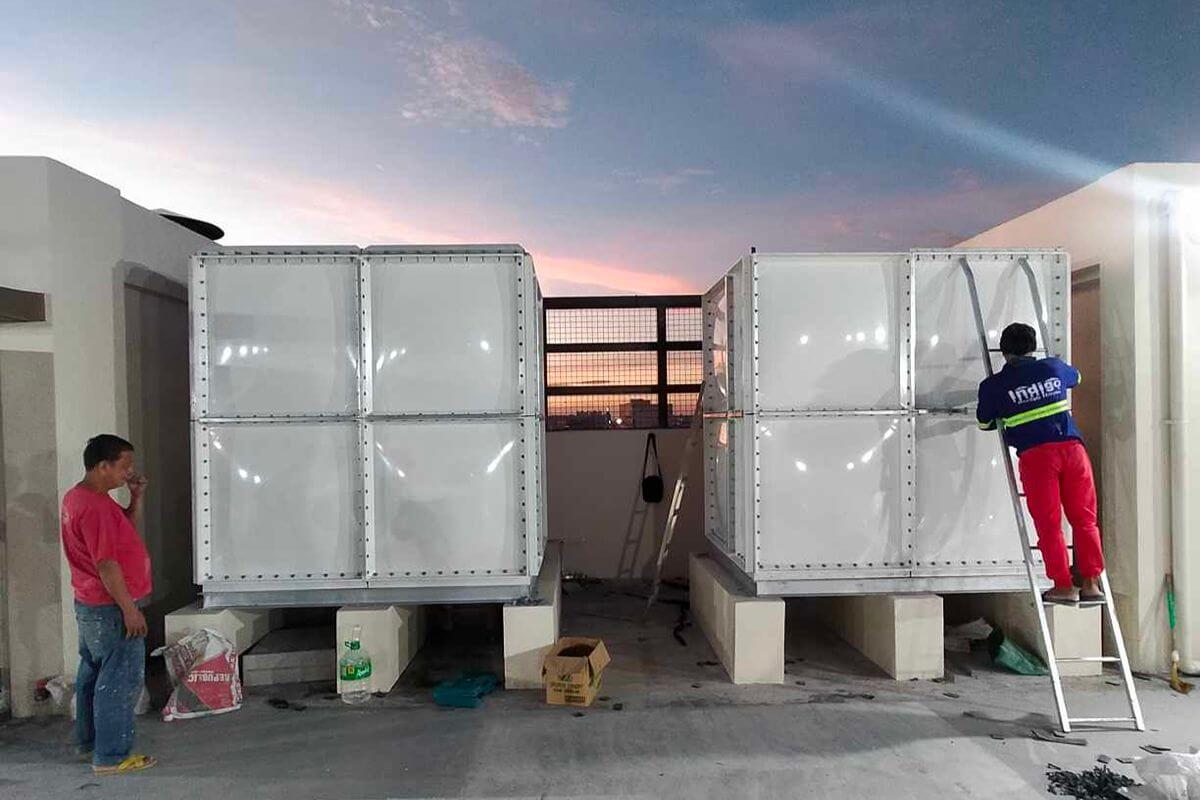
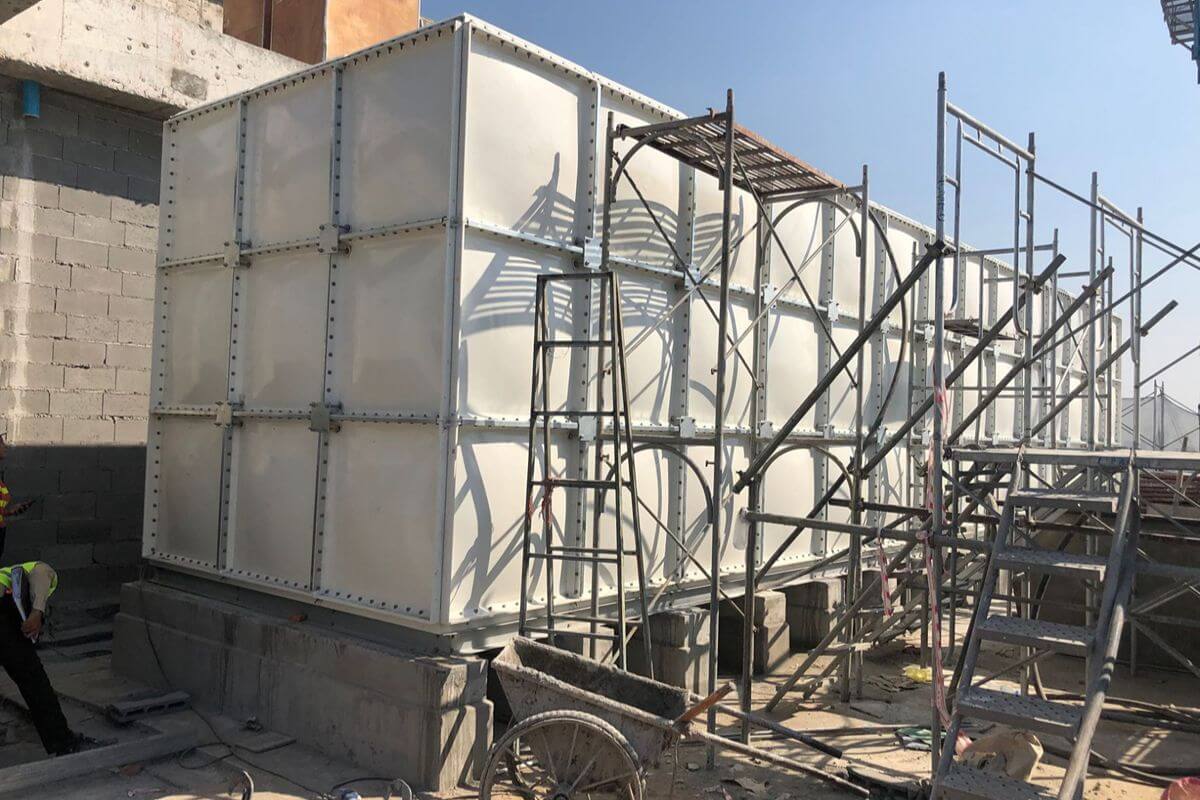
GRP panels weigh less than many conventional tank materials. This makes transportation and on-site assembly more manageable, especially for facilities with limited access or space. Their modular design also lets warehouses and manufacturing plants increase storage capacity as operations grow. This flexibility can help facilities adapt without replacing their entire water storage system.
Some GRP tank designs use opaque panels that limit sunlight exposure. This can help reduce conditions that encourage algae growth. Their smooth internal surfaces can also make routine cleaning easier. These features are useful for facilities that store water for employee use and sanitation. Always check the tank’s material certification and suitability for its intended application.
GRP tanks offer long-term durability because their composite materials resist rust and many forms of environmental deterioration. This makes them suitable for industrial facilities that need dependable water reserves year-round. Regular inspections and proper maintenance also help protect the tank’s service life.
A GRP tank’s performance depends on more than its material type. Facility managers should check its composition and manufacturing quality. They should also confirm that the tank suits the intended storage application.
Resin is the binding material that holds the glass fibers together and forms the tank’s composite structure. It also helps protect the tank against environmental and chemical exposure. Not all resin formulations offer the same level of chemical resistance. For example, a manufacturing facility that stores process water or chemically treated water should confirm that the selected resin is compatible with the stored liquid.
Glass fibers reinforce the tank and add structural strength. Their amount and arrangement can affect the panels’ ability to withstand operational loads. Ask suppliers for material specifications and technical documents to confirm that the reinforcement meets the tank’s capacity and operating requirements. This is especially important for large industrial installations.
The manufacturing process affects the consistency and strength of GRP panels. Different production methods can produce different material properties, so ask suppliers about their fabrication methods and quality control procedures. These details help you assess whether the panels meet your facility’s specifications.
Check the stored water’s temperature and chemical composition before finalizing the tank specifications. Its intended use also matters. For instance, a facility that stores water for industrial processes may have different material compatibility requirements from one that stores water for employee consumption. Confirm these requirements with your supplier before selecting a tank.
Proper installation and routine maintenance help preserve a GRP tank’s structural integrity and water quality. Facility managers should follow these practices to support long-term performance.
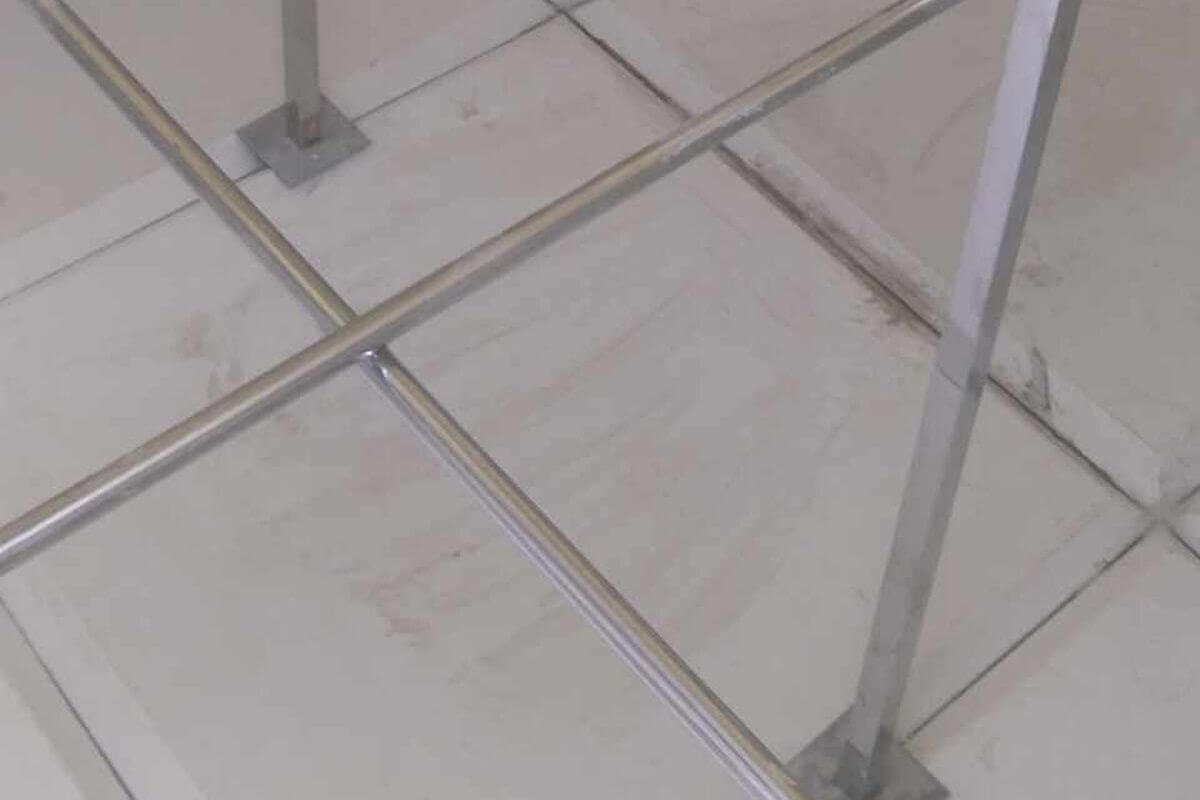
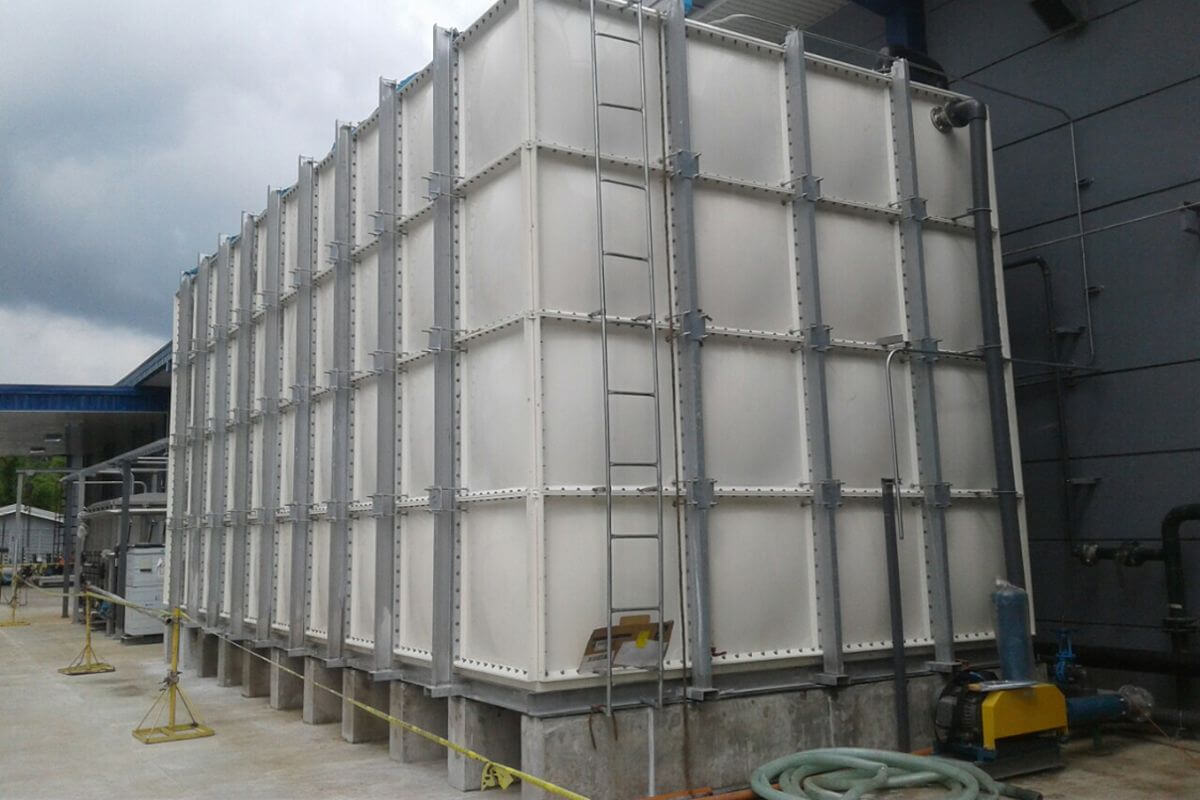
The foundation must support the tank’s full weight when filled and provide an even, stable surface. A large industrial tank, for example, may require a reinforced concrete foundation that can handle its total operating load. Site conditions and engineering requirements should guide the foundation design. Before installation, review what to prepare before choosing FRP storage tanks.
Schedule regular tank cleaning to remove sediment and other contaminants that may affect water quality. Facilities that use groundwater should pay particular attention to sediment buildup. Follow the manufacturer’s cleaning recommendations to avoid damage to the tank’s internal surfaces. The cleaning schedule should also reflect the stored water’s intended use.
Inspect the panels, joints, seals, and connections for leaks or visible damage. Leaks around panel joints may point to worn seals or loose connections. Address these issues promptly and consult qualified technicians to determine whether the affected components need repair or replacement. Regular inspections can help prevent minor problems from affecting the entire storage system.
Choosing the right tank involves more than comparing materials and capacities. You also need a supplier that understands your facility’s requirements and can support your project.
With more than 15 years of experience in water storage solutions, Aqua Cube supplies and installs modular FRP/GRP tanks for residential, commercial, and industrial applications. Our team can help you assess your storage needs and identify a suitable tank configuration based on your site conditions and intended use.
Understanding what you need to know about GRP tanks in the Philippines can help you choose a water storage system that suits your facility’s needs. Check the tank’s resin composition and glass fiber reinforcement, then confirm that its design matches your intended application.
Proper foundation design and routine maintenance preserve long-term tank performance. Contact Aqua Cube today to discuss your GRP water storage requirements and get expert assistance with installation plans.
Discover what you need to know about GRP tanks in the Philippines, from their key
Learn how engineers evaluate FRP tanks before project approval to select a storage
Evaluate FRP tank selection criteria for Philippine construction projects to choose a