September 24, 2026
The Right Approach to Planning Water Storage for Multi-Building Developments
Learn the right approach to planning water storage for multi-building developments:
Overview
- Severe weather and low reservoirs cause frequent water interruptions in the Philippines, severely impacting industrial operations.
- To mitigate downtime, facilities must prioritize critical workflows, implement alternative logistics, and practice conservation.
- Aqua Cube Tank provides durable, scalable modular water storage solutions—including FRP and steel tanks—to help industries secure reliable backup reserves.
Water interruptions have become a growing concern in the Philippines. During periods of extreme weather, such as El Niño, water reserves can be depleted, affecting major water sources. In the past, declining reservoir levels at Angat Dam have led to scheduled service interruptions, leaving thousands of consumers with limited access to water for extended periods.
While these disruptions may seem like a residential concern, industrial facilities often experience greater operational consequences when water supply becomes unreliable. A sudden interruption may result in production delays, equipment stress, and challenges in maintaining workplace safety regulations.
To address these concerns strategically, here’s how to prepare for water interruptions in industrial facilities.
Before implementing solutions, industrial structures should first understand where water interruptions create the greatest risks. Not all operations require the same amount of water or have the same level of urgency; that’s why assessments are a crucial first step.
Start by identifying which processes rely on continuous water availability. Manufacturing lines, cooling systems, boilers, sanitation areas, and production equipment must be inspected based on water needs and their impact on operations. should be evaluated based on their water requirements and impact on overall operations.
To do this, it’s best to prepare by creating a priority list of operations that must remain active during interruptions. Determine the minimum water volume required for these tasks and have backup plans ready specifically for high-priority tasks.
Instead of maintaining normal consumption, categorize operations into three priority tiers: essential (must continue), reduced (temporary), and non-critical (can be paused). This rationing extends available water reserves to protect safety and core productivity.
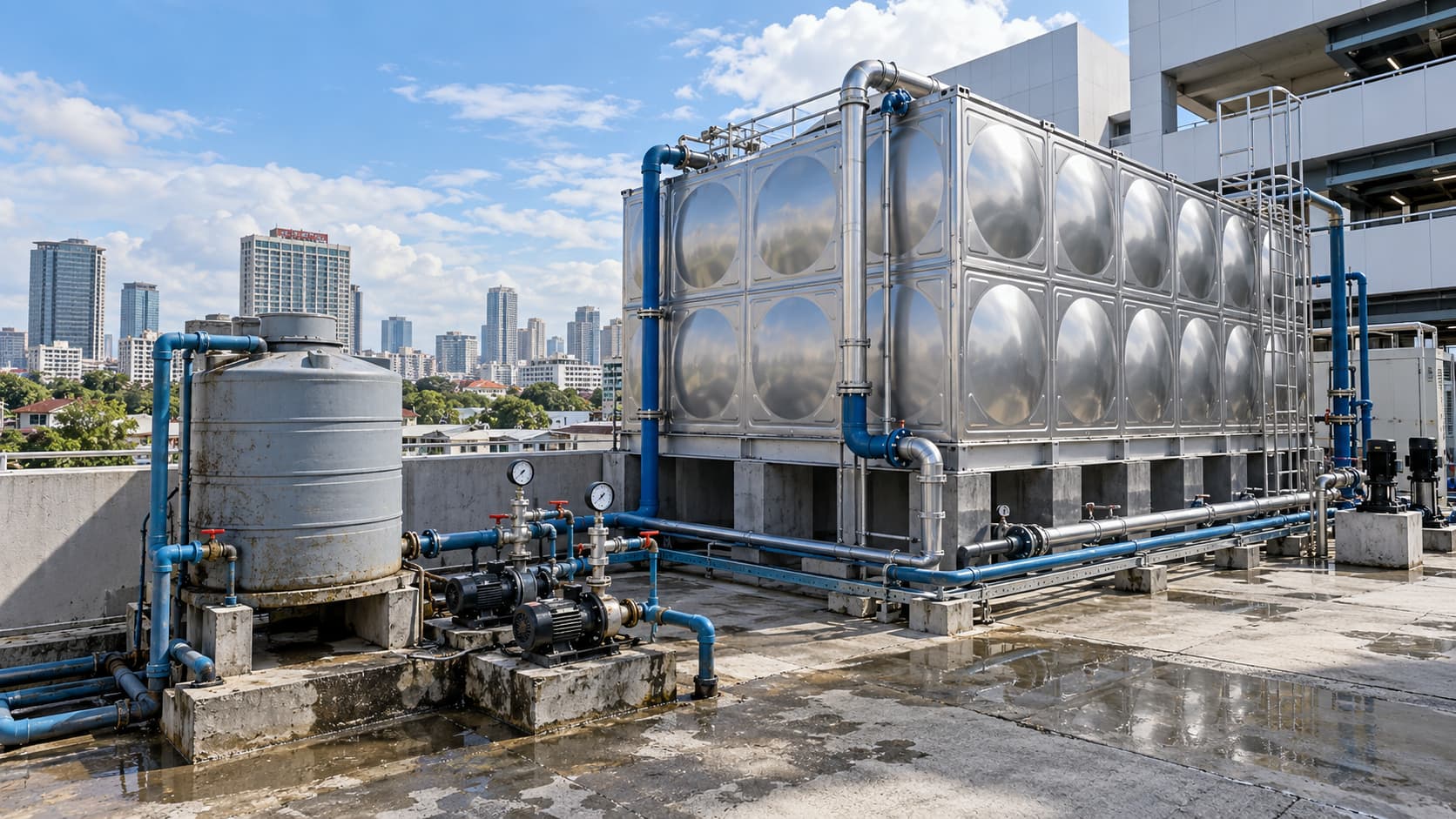
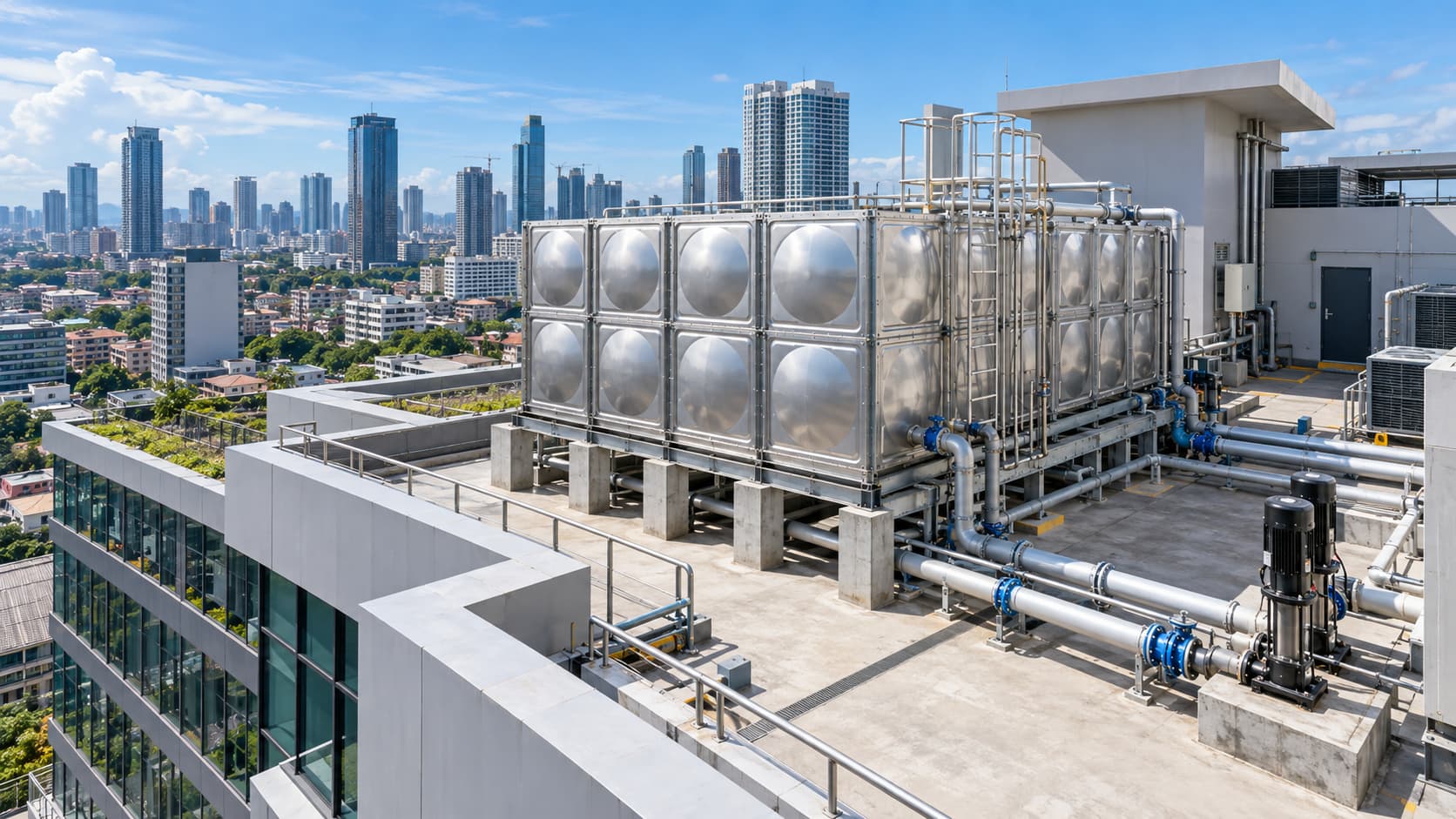
One of the most effective ways to prepare for water interruptions is establishing sufficient on-site storage. Water tanks provide a controlled reserve, allowing facilities to continue operations while awaiting the restoration of external supply.
To prepare adequately, identify the required storage capacity based on average consumption, peak demand, and the anticipated duration of potential interruptions. Choosing the right tank size, material, and placement is essential. It’s also best to consider factors such as available space, environmental exposure, maintenance accessibility, and future expansion demands.
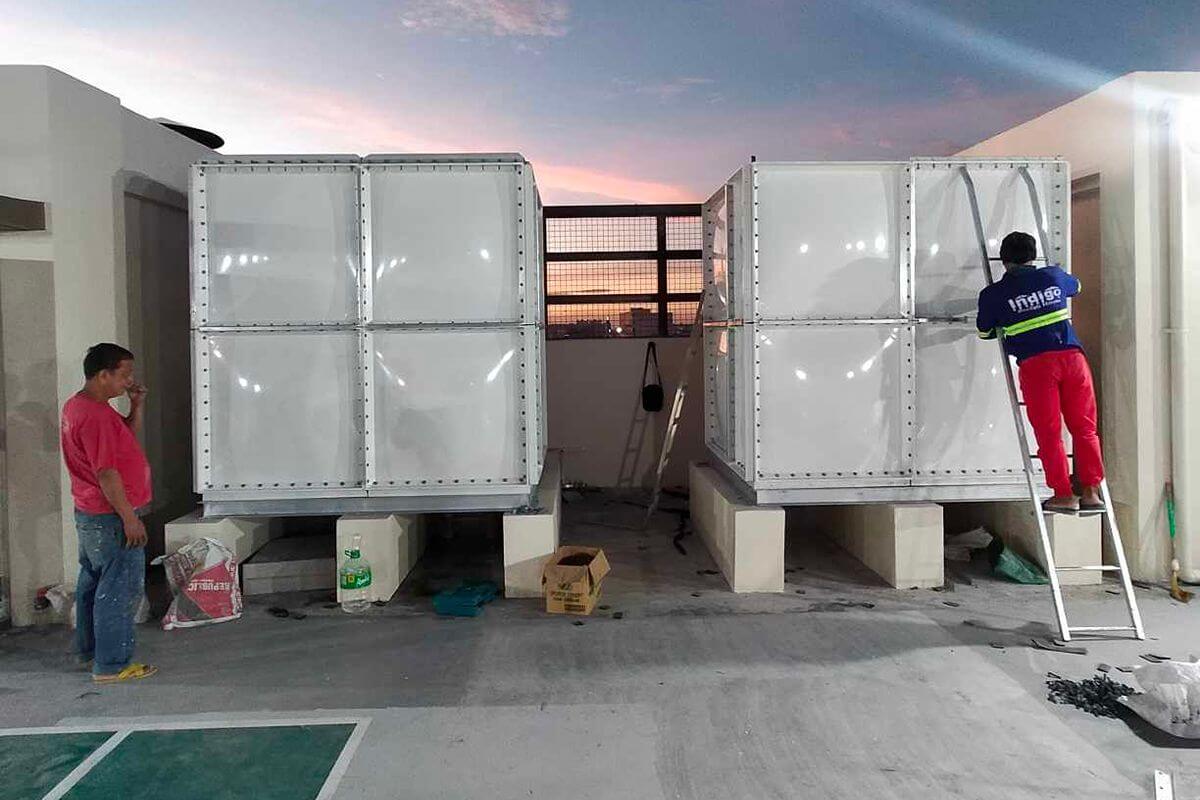
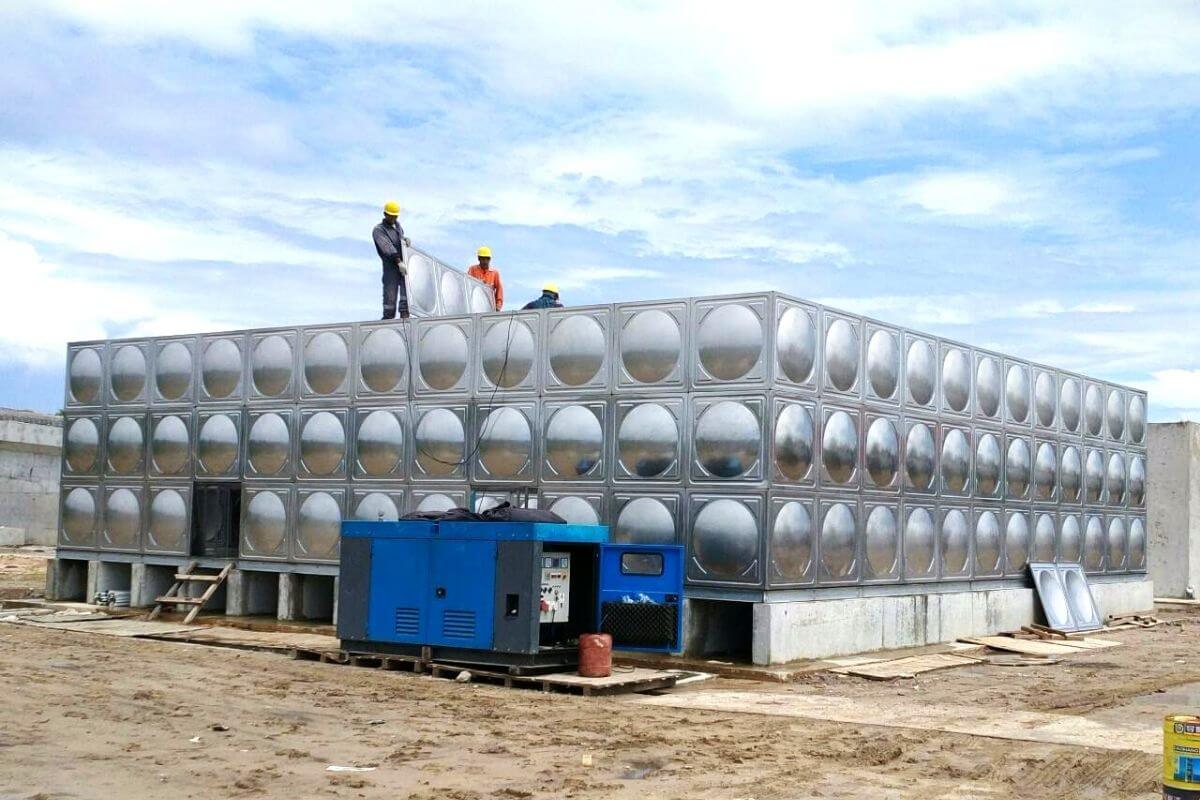
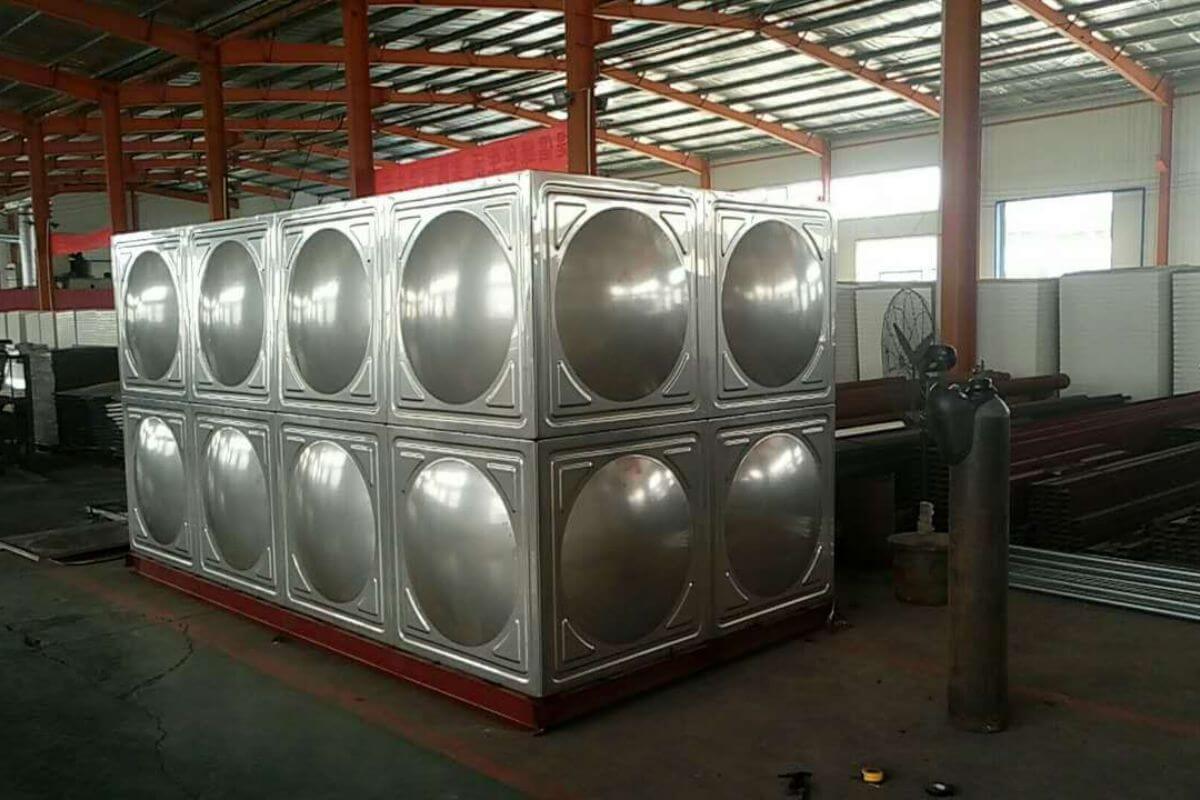
Aqua Cube Tank delivers a full range of modular static water storage solutions for industrial and commercial applications. Our systems include FRP/GRP tanks, stainless steel tanks, galvanized steel tanks, galvanized stainless systems, glass-fused-to-steel tanks, and corrugated steel tanks, allowing facilities to match storage design with site conditions. Every solution is engineered for durability, scalability, and efficient installation, helping facilities adequately reserve water during interruptions while also planning for future expansion.
A dual-supply setup combines multiple water sources, which may involve linking the municipal supply to stored water reserves or integrating additional backup sources. To do this, operators should design systems that allow smooth switching between primary and secondary sources. Proper controls, monitoring solutions, and regular testing help ensure that backup distribution is always ready.
While storage provides prompt support, industrial buildings should also consider external sources to supplement supply during prolonged interruptions.
Securing agreements with reliable water delivery vendors before a crisis hits avoids frantic searching during an emergency. Establish delivery timelines, required volumes, site access logistics, and emergency contacts in advance to ensure a fast, predictable response.
Industrial facilities can extend existing reserves and protect critical processes during a shortage by cutting unnecessary consumption. Improving water efficiency and adjusting daily usage practices minimizes the operational impact of a limited supply.
Beyond installing backup systems, facilities must establish strict maintenance and recovery protocols to keep storage and distribution networks fully functional throughout any disruption.
During disruptions, temporarily pause non-critical equipment and workflows using control valves and established shutdown protocols. This conserves available reserves, ensuring that stored water is directed strictly to vital functions such as manufacturing, equipment cooling, and essential sanitation.
Before resuming normal operations after an interruption, facilities must inspect their water systems for contamination, sediment, or stagnant water. To safely restore service, teams should flush pipelines to clear particles, sanitize storage tanks, and conduct water quality tests.
Successful crisis response relies on both infrastructure and employee cooperation. Clear communication ensures teams actively conserve water, maintain safety standards, and prevent waste during disruptions.
Promptly notify employees of water interruptions and instruct them on usage restrictions, process adjustments, and updated sanitation procedures. To ensure seamless coordination, create emergency contact lists, designate communication leads, and broadcast updates across multiple platforms.
Dedicate a portion of stored water specifically for handwashing, restrooms, and basic cleaning. Facility managers should estimate daily usage, set minimum reserve thresholds, and monitor levels closely. Prioritizing sanitation safeguards employee health and maintains essential facility operations during disruptions.
Understanding how to prepare for water interruptions in industrial facilities allows operators to reduce operational risks and maintain continuity during unexpected supply disruptions.
Aqua Cube Tank provides reliable modular water storage solutions designed to support water reserves. Offering high-quality systems such as FRP/GRP and steel tanks, we help businesses prepare for changing operational demands and supply challenges.
Contact us today to discuss a water storage solution well-suited for your business.
Learn the right approach to planning water storage for multi-building developments:
Find out what happens when your water storage capacity is insufficient and how Aqua
Find out why modular water tanks are becoming standard for new commercial properties