September 24, 2026
The Right Approach to Planning Water Storage for Multi-Building Developments
Learn the right approach to planning water storage for multi-building developments:
Overview
- FRP tanks are widely used across Philippine industries due to their corrosion resistance, durability, and low maintenance requirements in challenging environments.
- They provide reliable water storage solutions for commercial buildings, manufacturing plants, food and beverage facilities, healthcare institutions, agriculture, aquaculture, and fire protection systems.
- Their modular design allows flexible, on-site installation even in constrained spaces. By addressing key factors such as environmental exposure, water quality, and lifecycle cost, FRP tanks improve operational efficiency and long-term reliability across various industrial applications.
Philippine industries frequently operate in demanding environments where exposure to moisture, chemicals, and varying temperatures can accelerate equipment wear and compromise storage systems.
Choosing the right tank material is therefore essential for maintaining efficiency, safety, and long-term performance. Fiber Reinforced Plastic (FRP) tanks have emerged as a preferred solution due to their corrosion resistance, durability, and low maintenance requirements.
Understanding the applications of FRP tanks in different Philippine industries provides valuable insight into how businesses across sectors use these storage systems to improve operational reliability and support daily processes.
FRP tanks are well-suited for Philippine industries because they withstand common environmental and operational challenges. The country’s high humidity, frequent rainfall, and coastal conditions can accelerate corrosion in traditional storage materials, but FRP offers excellent resistance to rust, moisture, and chemical exposure.
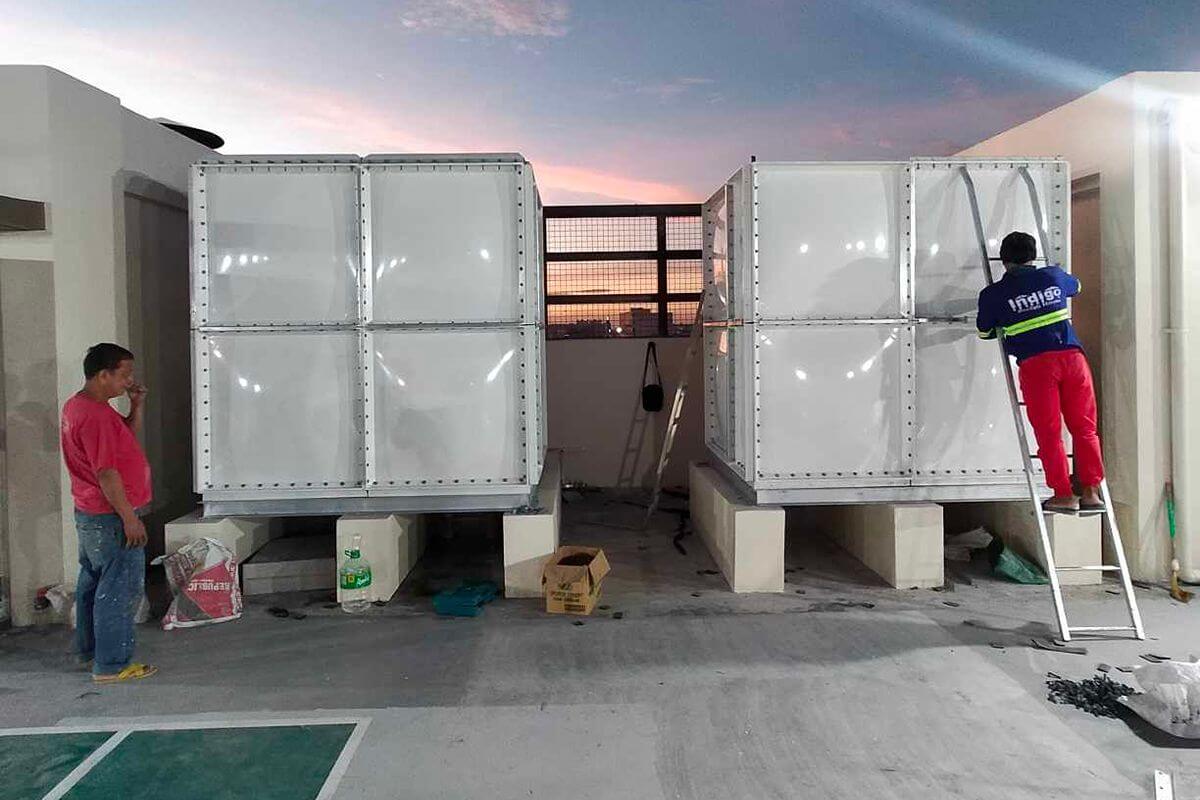
Their modular design also allows panels to be transported separately and assembled on-site, making installation easier in facilities with limited access or space constraints. With their durability, corrosion resistance, and low maintenance requirements, these tanks provide a practical and cost-effective storage solution for a wide range of industrial applications.
Here are key applications of FRP tanks in different philippine industries:
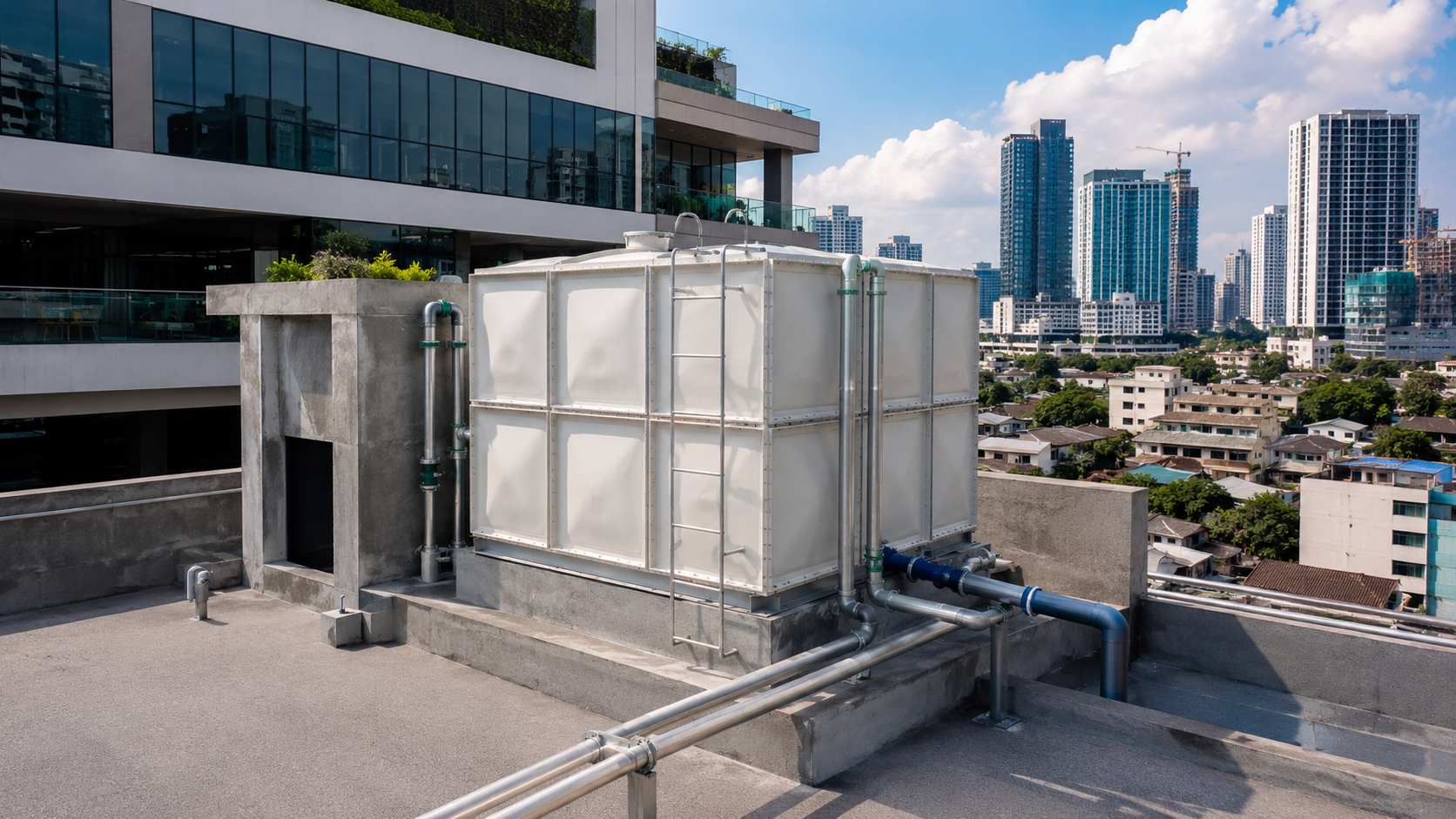
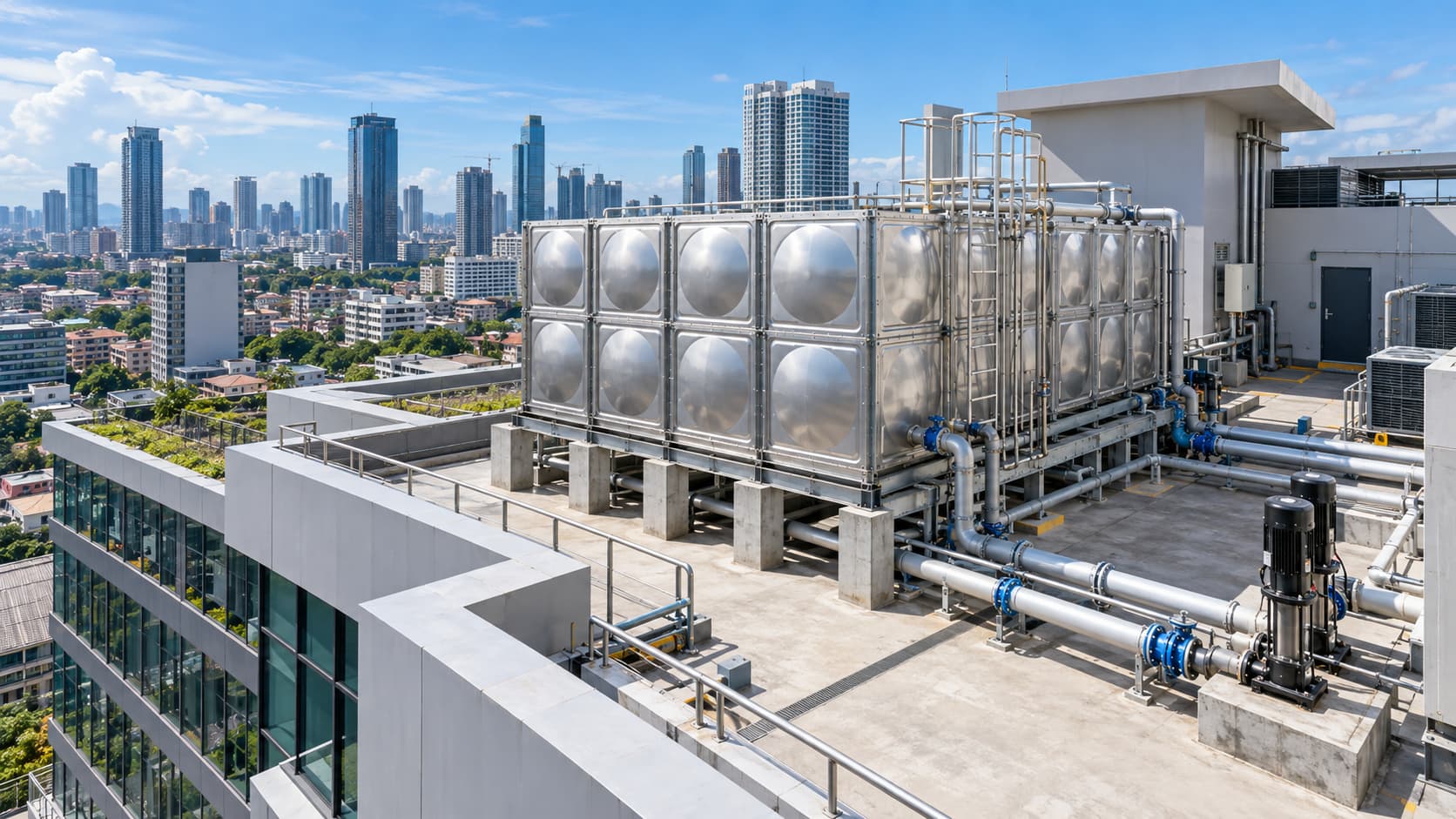
Water storage in commercial spaces must support daily consumption, sanitation needs, pressure stability, and emergency reserves, all within often limited structural and spatial conditions. Installations are commonly integrated into malls, offices, condominiums, hotels, and mixed-use developments where efficiency of space is critical.
A lighter structural load allows placement in rooftops, basements, and service areas without placing excessive stress on building design. Long-term performance is also supported in environments exposed to humidity and moisture. For MEPF (Mechanical, Electrical, Plumbing, and Fire Protection) coordination teams, this combination of flexibility and durability helps ensure smooth system integration while maintaining required capacity.
Operational continuity in production environments depends heavily on stable access to water for cooling systems, cleaning processes, and general utility functions. Any disruption in supply can directly affect productivity and maintenance schedules.
Storage systems designed with adaptable capacity help align with varying production demands while maintaining resistance to corrosion from process-related exposure. For projects requiring alternative material options, Aqua Cube Tank also provides galvanized water tanks for applications where structural strength and cost efficiency are major considerations.
Strict hygiene requirements make water quality and system cleanliness essential in food and beverage production. These facilities rely on controlled storage conditions to support processing, cleaning, and quality assurance workflows.
The smooth internal surface of FRP helps reduce sediment accumulation and simplifies inspection. For potable or process water applications, project engineers should also assess water safety requirements, internal lining, sealing integrity, and maintenance procedures. The World Health Organization’s drinking-water quality guidelines provide a useful reference for water safety management in systems where stored water may affect human consumption or hygiene-sensitive operations.
Reliable water access is a critical requirement in institutions where sanitation, cleaning, and daily operations cannot be interrupted. Any inconsistency in supply can affect service delivery and operational compliance.
Space-efficient configurations make it easier to integrate storage systems into existing or upgraded facilities, particularly where expansion is limited by building design. Capacity flexibility allows adaptation to varying demand levels, while hygienic storage characteristics help maintain consistent water quality.
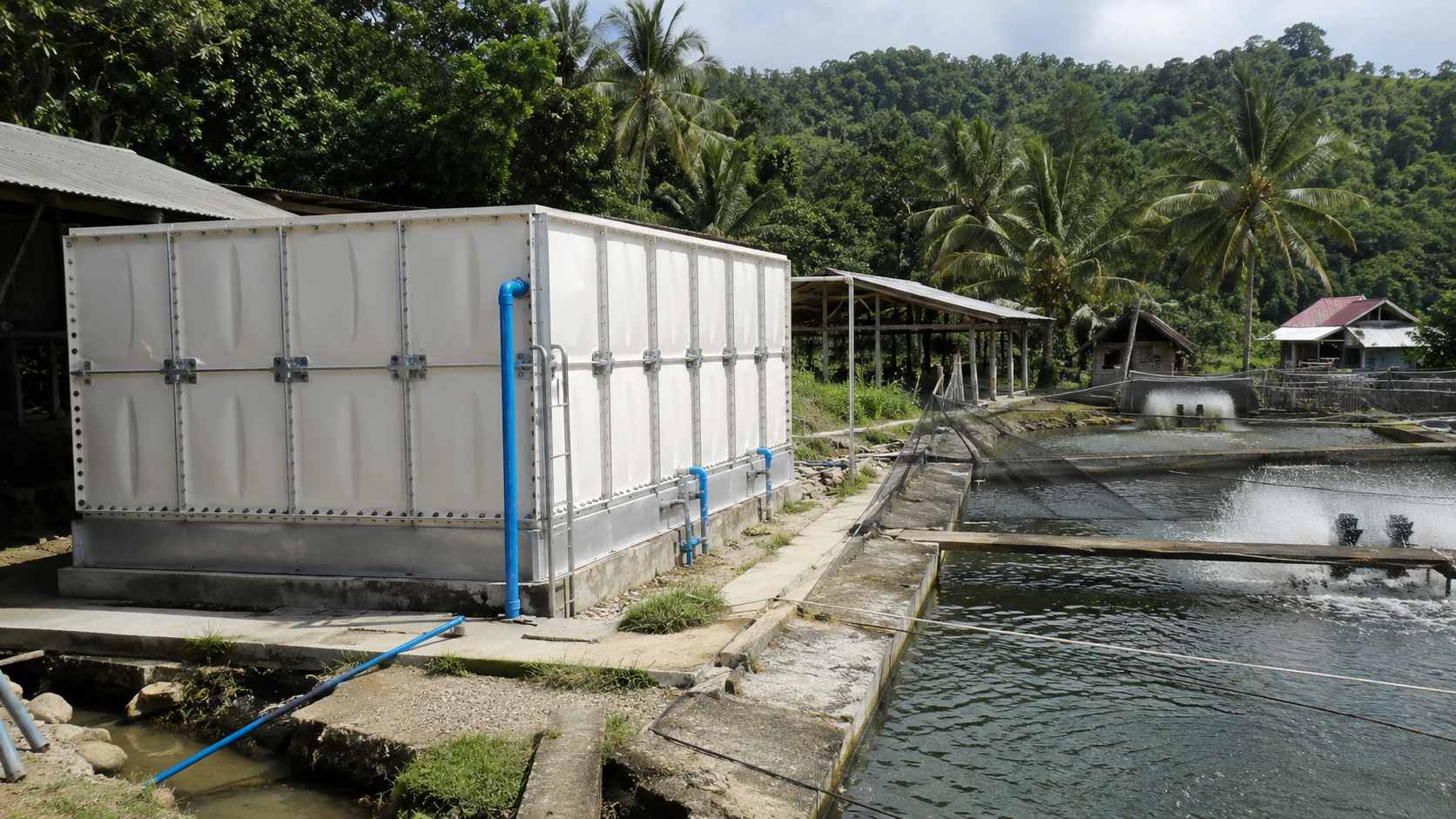
Outdoor exposure and variable water demand are common challenges in agricultural and aquaculture environments, where storage systems must perform reliably under continuous environmental stress. Applications include irrigation, livestock supply, hatcheries, and fish farming operations.
Resistance to moisture and corrosion helps extend service life in wet and exposed conditions where conventional materials deteriorate more quickly. Installation is also more practical in remote locations, as modular components can be transported and assembled with minimal heavy equipment.
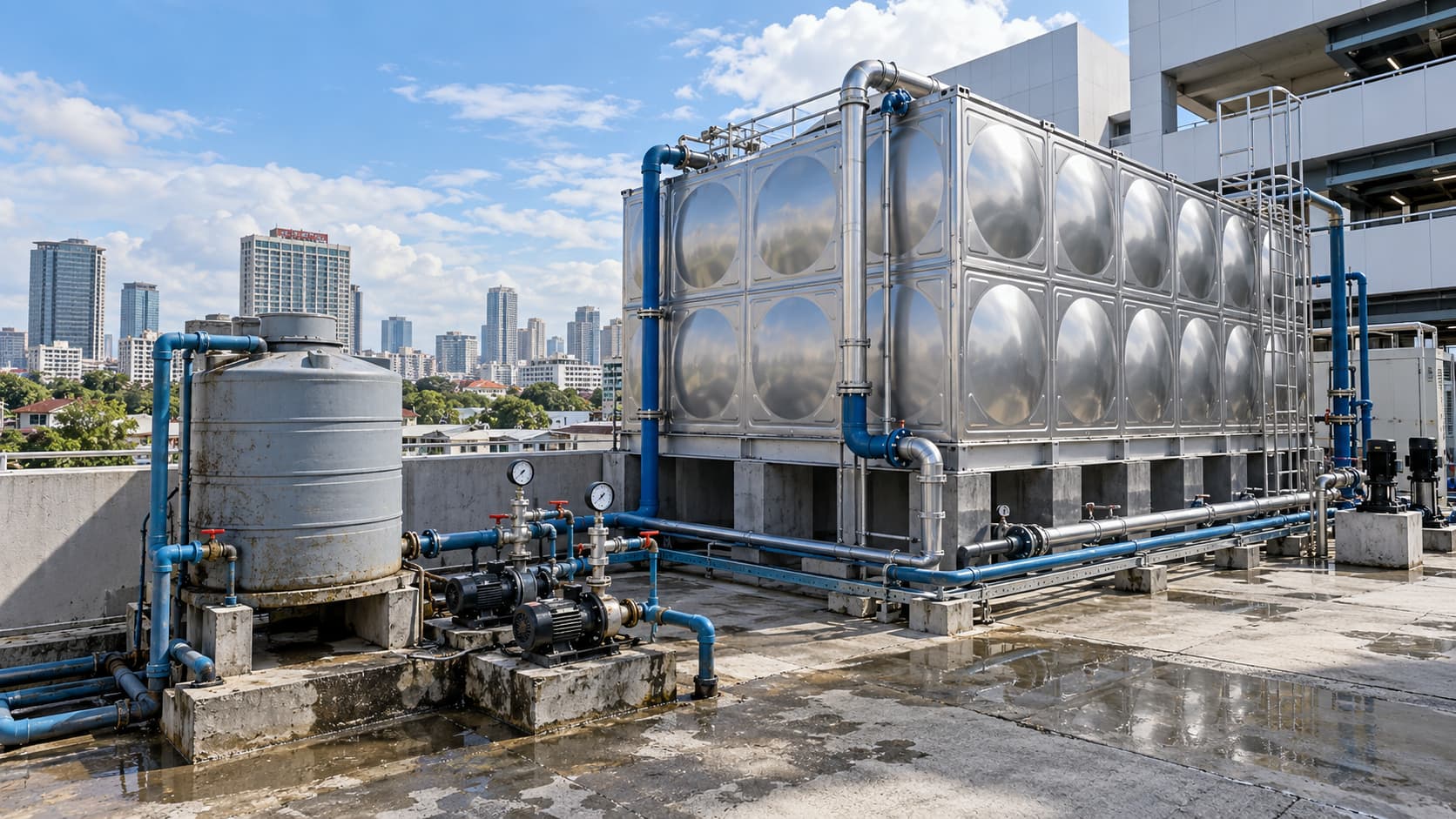
Emergency systems require dependable standby storage capable of delivering water instantly when needed, while remaining stable over long periods with minimal intervention. Design considerations typically include capacity requirements, pump integration, and accessibility for inspection and maintenance.
For large-scale or specialized fire reserve applications, engineers may also evaluate corrugated steel tanks or other modular options depending on required volume and site layout.
FRP tanks provide significant value across Philippine industries by addressing common storage challenges related to durability, corrosion, and maintenance. They are widely used in commercial buildings, manufacturing facilities, food and beverage plants, healthcare institutions, agricultural operations, and emergency water reserve systems where reliable storage is essential.
When evaluating storage solutions, project engineers and contractors should consider factors such as the operating environment, water quality requirements, installation constraints, structural load capacity, lifecycle costs, and maintenance demands. In applications where corrosion resistance, flexible installation, and long-term performance are priorities, FRP tanks offer a practical and dependable solution.
The applications of FRP tanks in different Philippine industries extend beyond basic water storage. These tanks provide corrosion resistance, installation flexibility, hygienic performance, and scalable capacity for facilities where water availability affects operations, compliance, and lifecycle cost.
Secure a water storage system engineered for structural reliability, efficient installation, and long-term performance. Contact Aqua Cube Tank to evaluate the right FRP tank configuration for your commercial, industrial, or institutional project.
Learn the right approach to planning water storage for multi-building developments:
Find out what happens when your water storage capacity is insufficient and how Aqua
Find out why modular water tanks are becoming standard for new commercial properties