September 24, 2026
The Right Approach to Planning Water Storage for Multi-Building Developments
Learn the right approach to planning water storage for multi-building developments:
Overview
- Facilities that exceed water tank capacity often experience pressure issues, shortages, increased pump activity, and structural wear, signaling the need for upgrades.
- Monitoring operational, maintenance, and data-driven indicators helps identify limitations early. Scalable solutions like modular, FRP, and stainless steel tanks support efficiency, water quality, compliance, and long-term reliability.
When a facility exceeds the capacity of its existing water tank, it signals that the system can no longer reliably meet operational demand. Recognizing the early signs your facility has outgrown its current water tank enables facility managers to identify emerging limitations without delving into all specific indicators upfront, allowing them to plan and implement scalable solutions before disruptions occur.
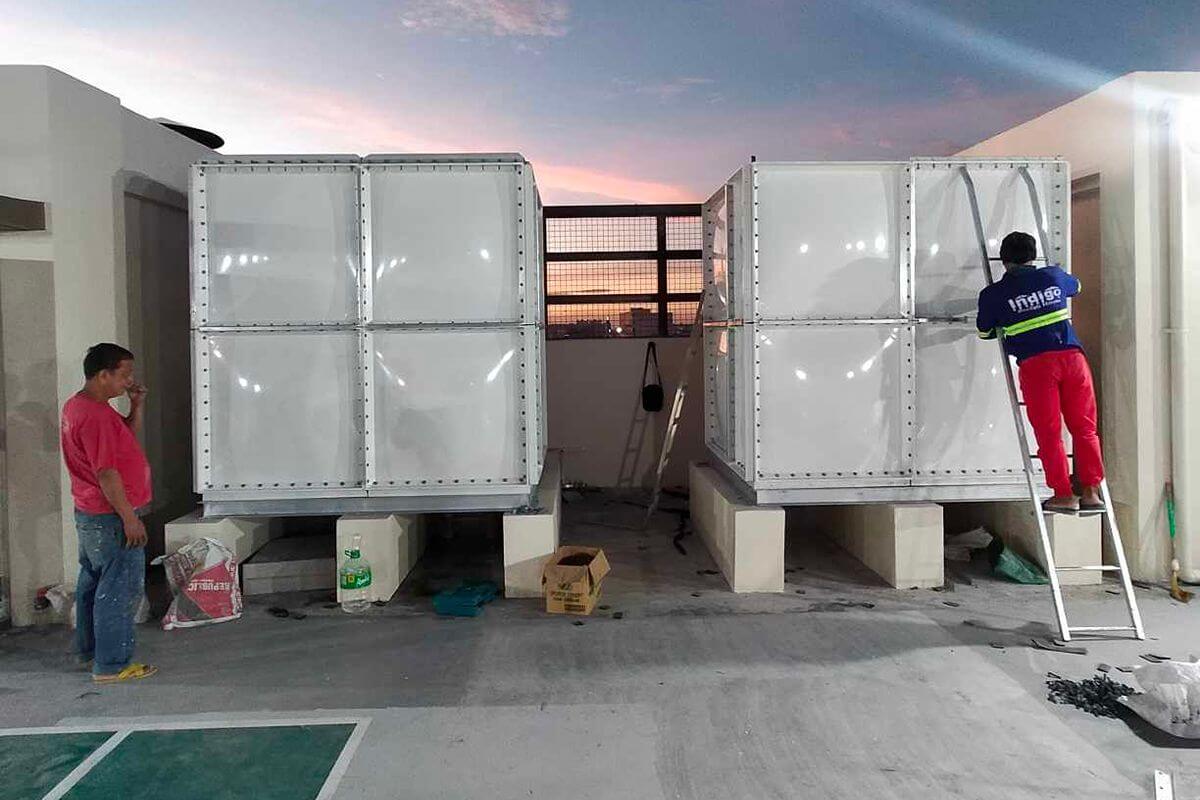
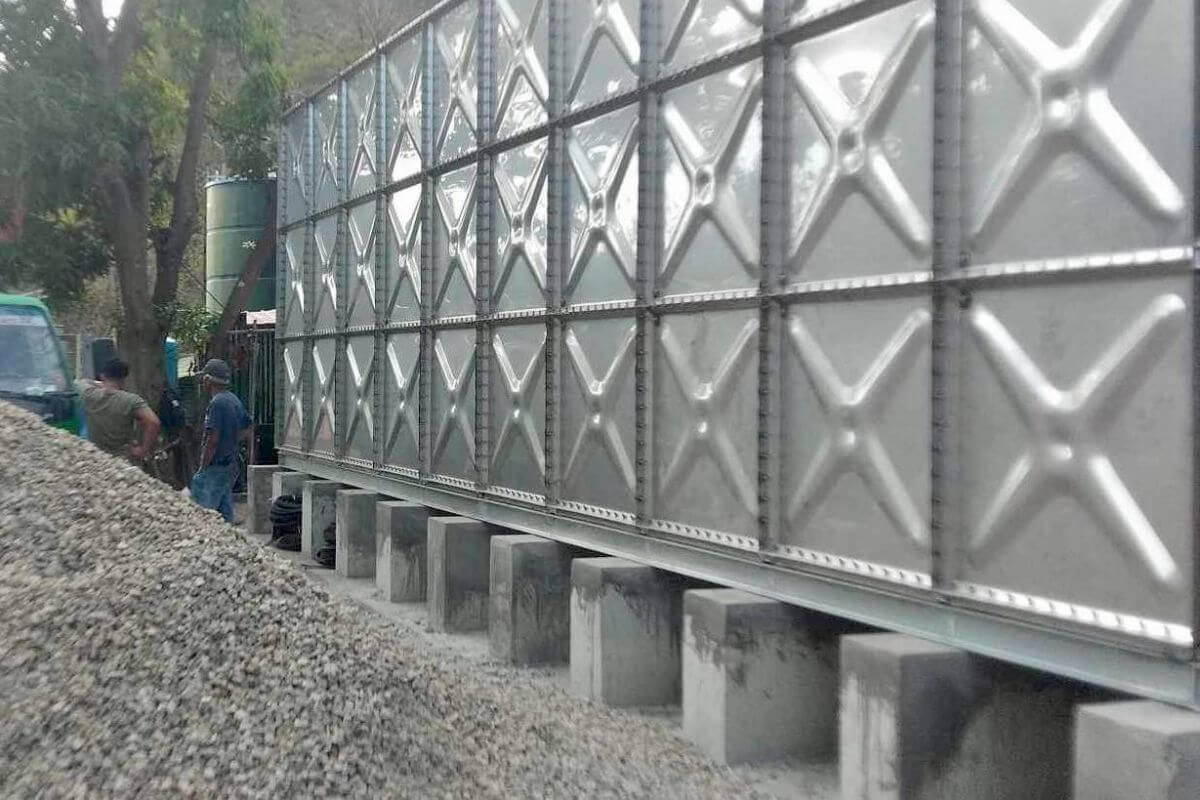
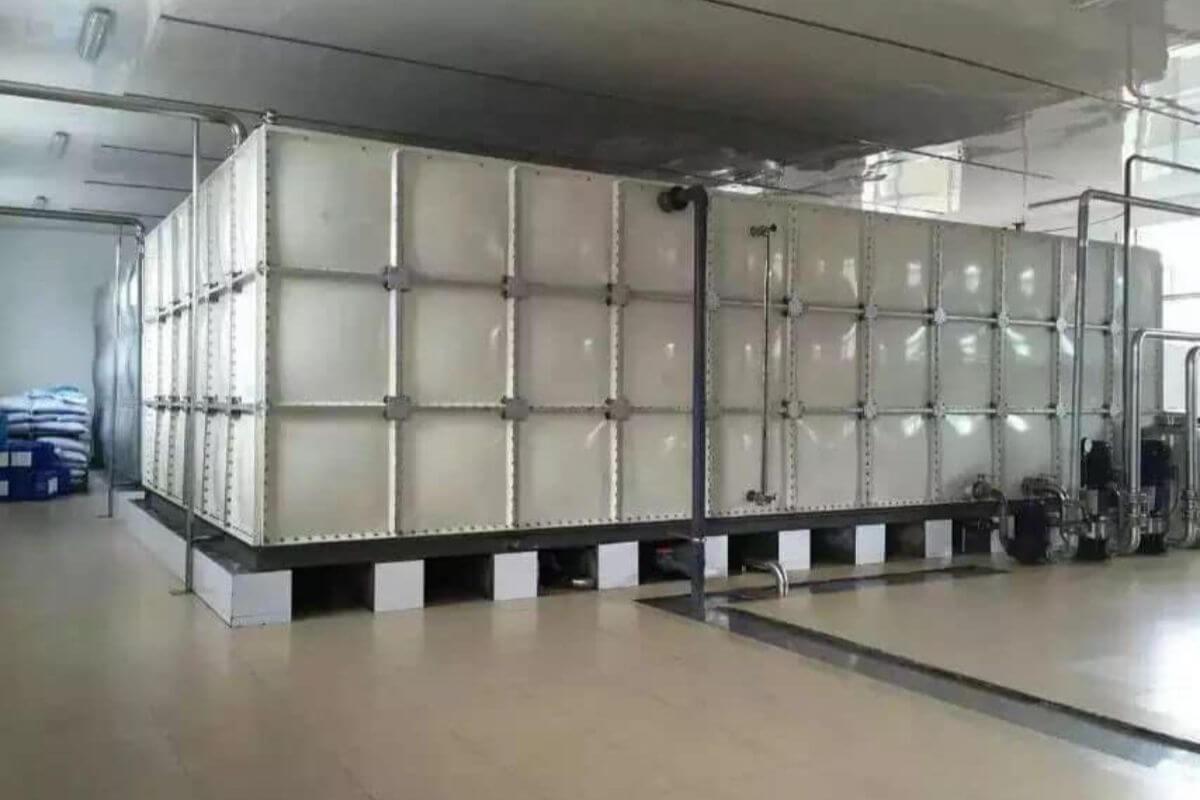
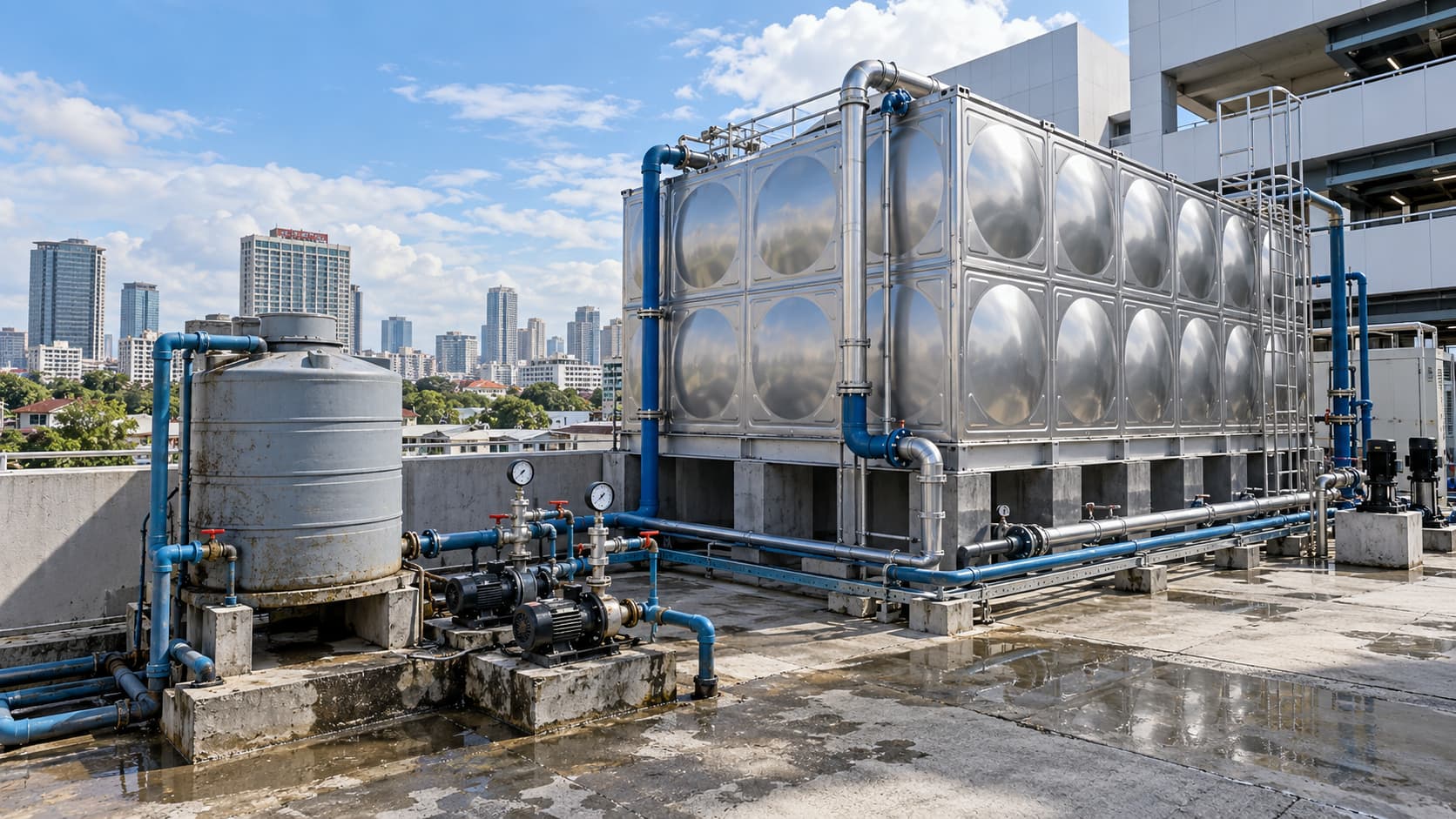
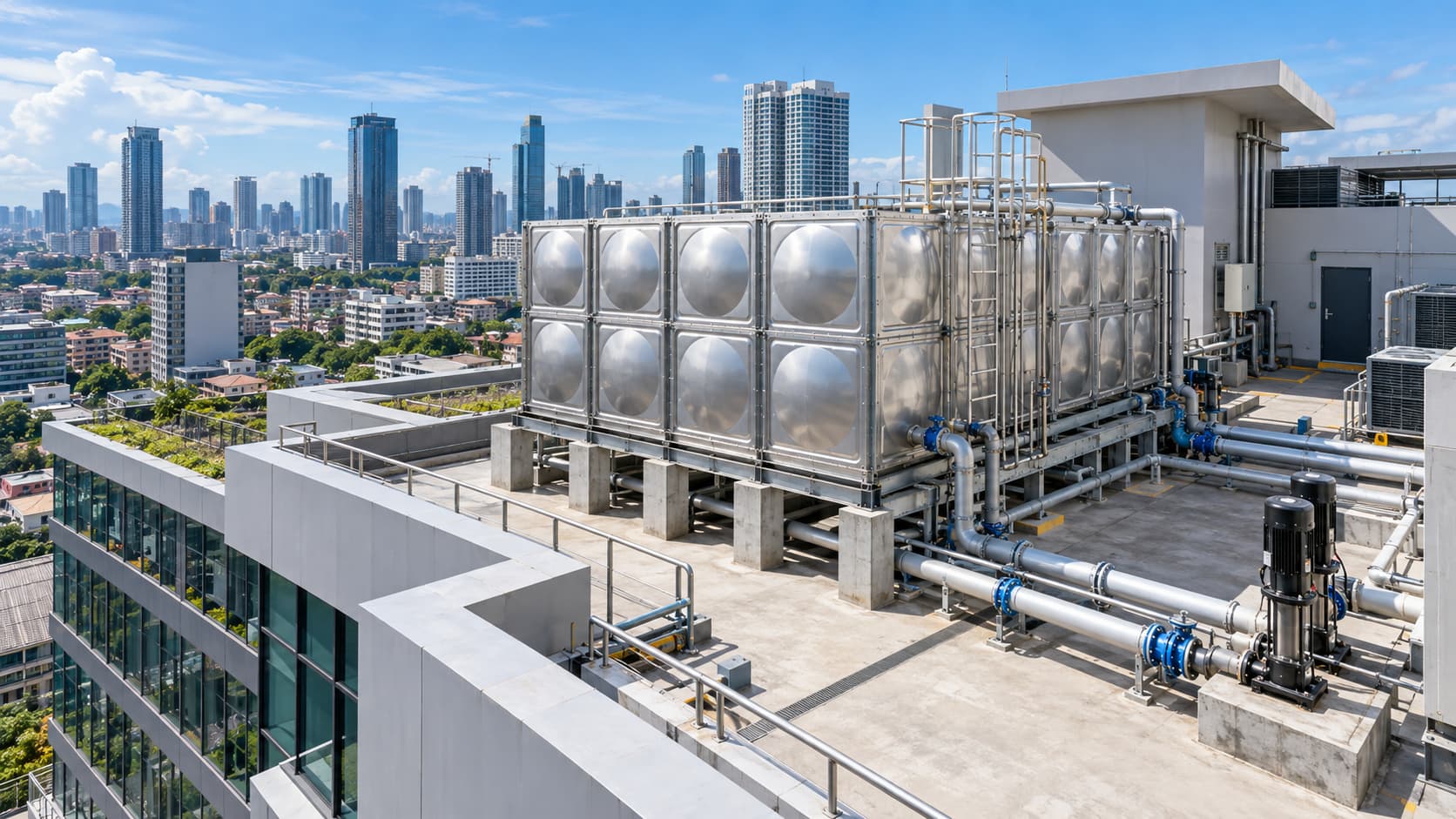
Aqua Cube Tank provides scalable water storage systems for facilities with growing capacity needs, offering modular bolted steel panel tanks, FRP tanks, and stainless steel tanks for durable, hygienic, and corrosion-resistant applications. Backed by professional installation, certified materials, and local support in the Philippines, its systems are designed to maintain operational efficiency, water quality, and compliance.
Early operational indicators such as inconsistent water flow, pressure fluctuations, or increased reliance on auxiliary pumping systems often suggest that a water tank is no longer sufficient for current demand. Monitoring these indicators helps maintain efficiency and prevent operational disruptions.
Recurring shortages may appear as insufficient water supply during peak usage periods, frequent dependence on backup water sources, or interruptions in processes that require steady water distribution. These conditions indicate that the current storage capacity may no longer align with facility demand, potentially affecting productivity and operational continuity.
Inadequate tank capacity can lead to difficulty maintaining consistent water pressure. This becomes more noticeable during peak demand, when pumps must work harder to compensate, resulting in slower equipment performance and reduced system efficiency. Persistent low pressure can also contribute to increased strain on pumps and piping systems.
When a tank operates beyond its optimal capacity, pumps may run continuously to sustain water distribution. This leads to higher energy consumption and accelerated equipment wear. Monitoring pump cycles can help identify whether the system is undersized relative to demand.
After peak usage, a tank that takes longer than expected to refill may indicate insufficient capacity. Delayed recovery often requires auxiliary systems to compensate, increasing operational load on pumps and raising energy costs. This pattern suggests the need to reassess storage capacity and system design.
Evaluating the physical condition of a water tank is essential for ensuring long-term reliability. Structural issues and frequent maintenance requirements often indicate that the system is under stress or nearing the limits of its design.
Repeated maintenance activities such as leak patching, fitting adjustments, or component replacements suggest that the tank is no longer performing efficiently under current operating conditions. Over time, these recurring interventions increase labor costs and downtime, signaling the potential need for a more durable or appropriately sized system.
The accumulation of minerals, rust particles, or debris at the bottom of the tank can reduce usable capacity and affect water quality. Increased sediment levels require more frequent cleaning and may also pose risks to pumps and downstream processes due to contamination or blockages.
Visible signs such as bulging walls, warped panels, or uneven surfaces may indicate structural stress caused by overfilling, sustained pressure, or material fatigue. These deformations can compromise the tank’s integrity and should be addressed promptly to avoid operational or safety risks.
Prolonged water stagnation can lead to microbial growth, unpleasant odors, discoloration, and increased sediment accumulation. These issues indicate that the current system may not support proper circulation or turnover.
To address such concerns, Aqua Cube Tank provides tank solutions designed with non-porous interiors and corrosion-resistant materials. Their FRP, stainless steel, and modular tanks help minimize sediment buildup and support improved water hygiene while maintaining structural integrity and consistent flow.
Operational data can provide early and measurable insights into whether a water storage system is approaching or exceeding its limits. Monitoring usage trends, pump activity, and pressure readings enables more informed and proactive decision-making.
Recognizing the early signs that your facility has outgrown its current water tank is critical for maintaining operational efficiency, compliance, and water quality. Indicators also include recurring shortages, low water pressure, increased pump activity, and structural wear.
Designed for scalability and operational reliability, Aqua Cube Tank systems combine modular, FRP, and stainless steel tanks engineered to withstand heavy use while maintaining water quality and structural integrity. Contact us today to explore a solution tailored to your facility’s evolving needs.
Learn the right approach to planning water storage for multi-building developments:
Find out what happens when your water storage capacity is insufficient and how Aqua
Find out why modular water tanks are becoming standard for new commercial properties