September 24, 2026
The Right Approach to Planning Water Storage for Multi-Building Developments
Learn the right approach to planning water storage for multi-building developments:
Overview
- In the Philippines, safe and efficient water storage is critical to managing supply interruptions, contamination risks, and climate-related stress.
- Well-engineered storage systems protect water quality, ensure operational continuity, and reduce long-term maintenance costs.
- For commercial and industrial facilities, investing in durable, modular water storage is not a backup plan—it is an operational safeguard.
Water storage should not be treated as a contingency measure. For commercial and industrial facilities, it is a core infrastructure component that directly impacts safety, compliance, and operational stability.
In the Philippines, supply fluctuations, high ambient temperatures, heavy rainfall, and urban density create unique risks to water quality and availability. Understanding why safe and efficient water storage matters means recognizing its role in preventing contamination, stabilizing supply, and protecting long-term infrastructure investment.
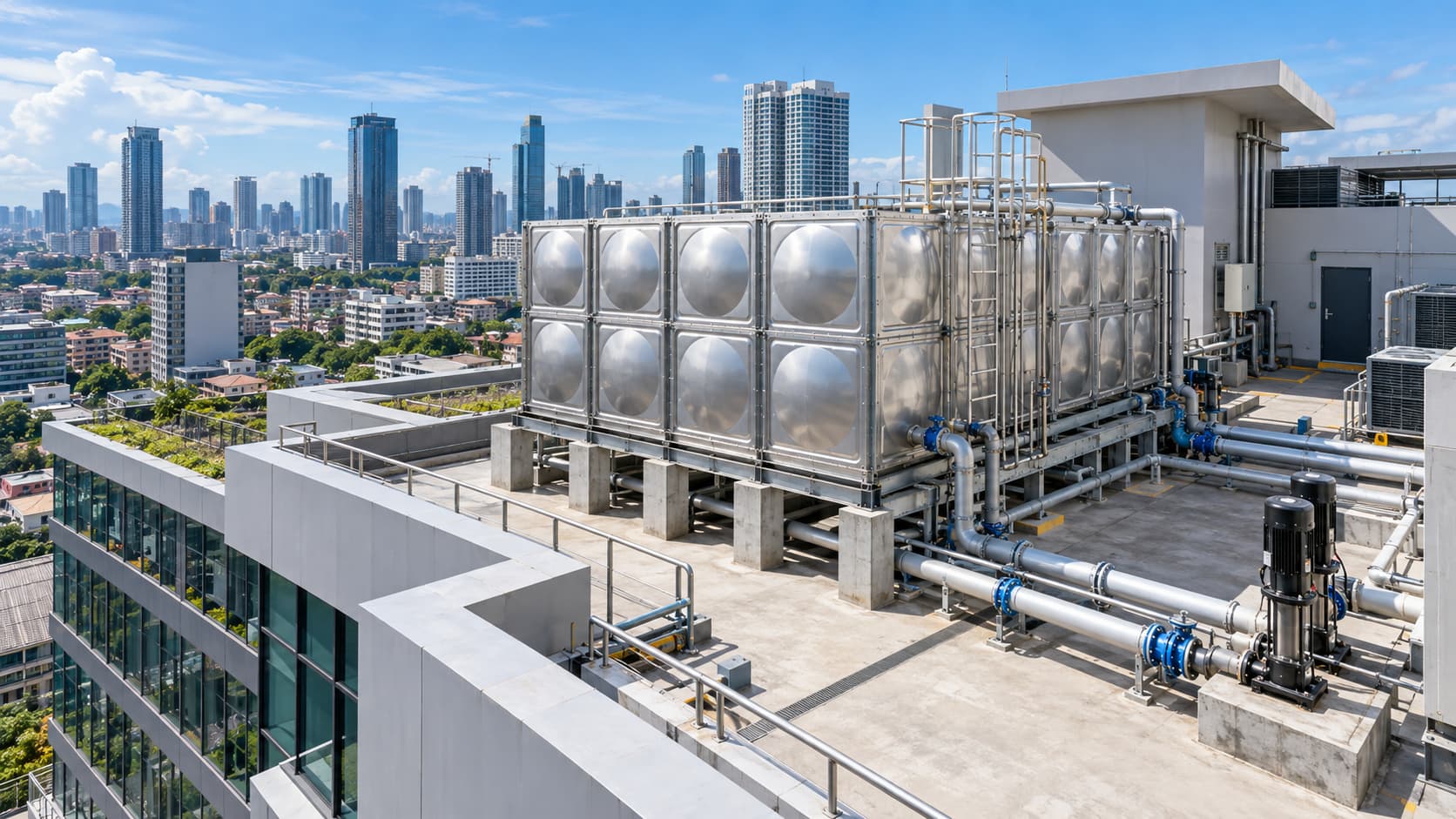
Engineered storage systems—particularly modular, corrosion-resistant designs—provide controlled containment, structural integrity, and scalable capacity. When properly specified, water storage becomes a strategic asset rather than an emergency solution
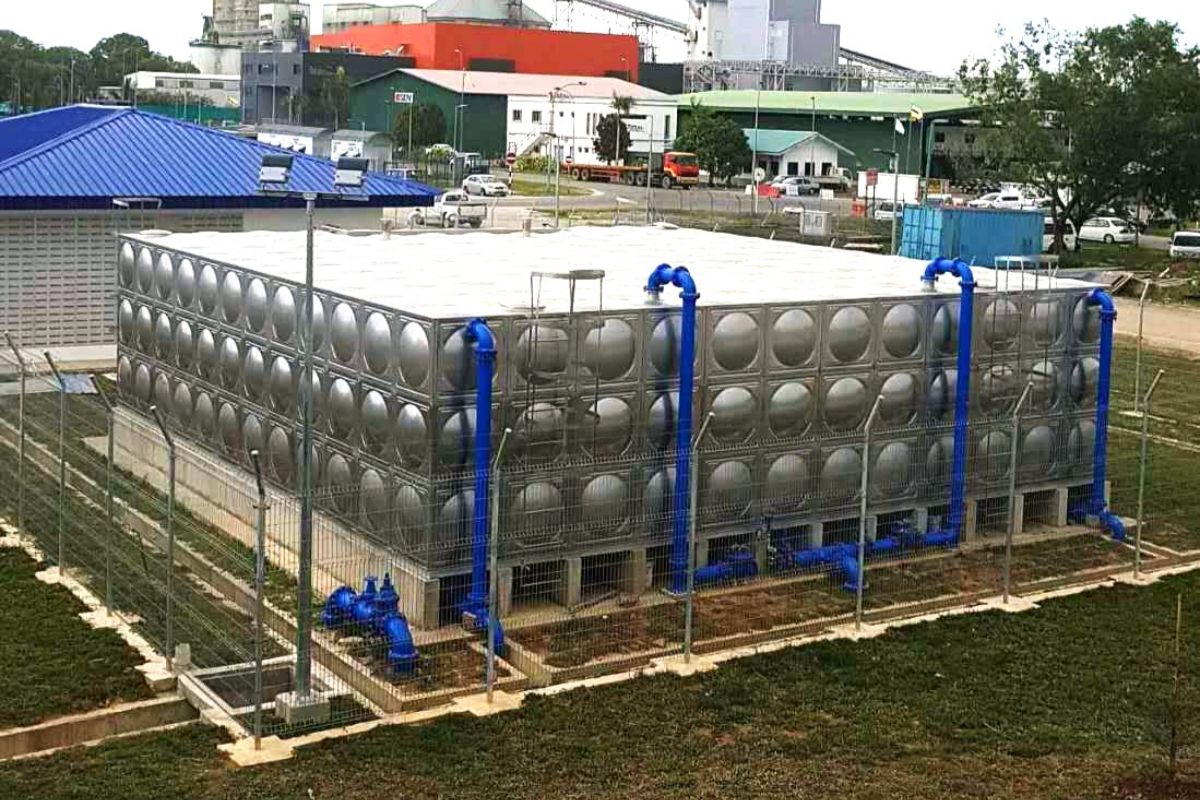
Water storage directly affects facility hygiene, occupant safety, and regulatory compliance. Poor containment can introduce contamination, while well-designed systems maintain purity and prevent biological growth.
Sealed tanks with properly engineered joints and non-corrosive materials reduce the risk of external contaminants entering the system. This minimizes exposure to bacteria, debris, and environmental pollutants.
For facilities such as commercial buildings, industrial plants, and institutional properties, consistent water quality supports safe drinking water, sanitation, and process reliability.
Non-porous interiors and light-blocking construction limit algae growth and microbial proliferation. Corrosion-resistant materials prevent chemical leaching and structural degradation.
Maintaining water integrity is not only a health requirement—it also protects downstream systems such as pumps, valves, and processing equipment from premature wear.
Water interruptions can halt operations, compromise safety systems, and disrupt service delivery. Reliable storage ensures continuity under variable supply conditions.
Engineered storage systems provide reserve capacity during municipal disruptions, infrastructure maintenance, or peak demand periods.
For hospitals, manufacturing plants, commercial complexes, and logistics facilities, uninterrupted water access is essential to maintain productivity, fire protection readiness, and sanitation standards.
The Philippine climate presents structural and environmental challenges—high heat, intense rainfall, humidity, and typhoons.
Water tanks must withstand thermal expansion, heavy loading, and moisture exposure without compromising structural integrity. Durable, corrosion-resistant systems help ensure long-term performance under these conditions.
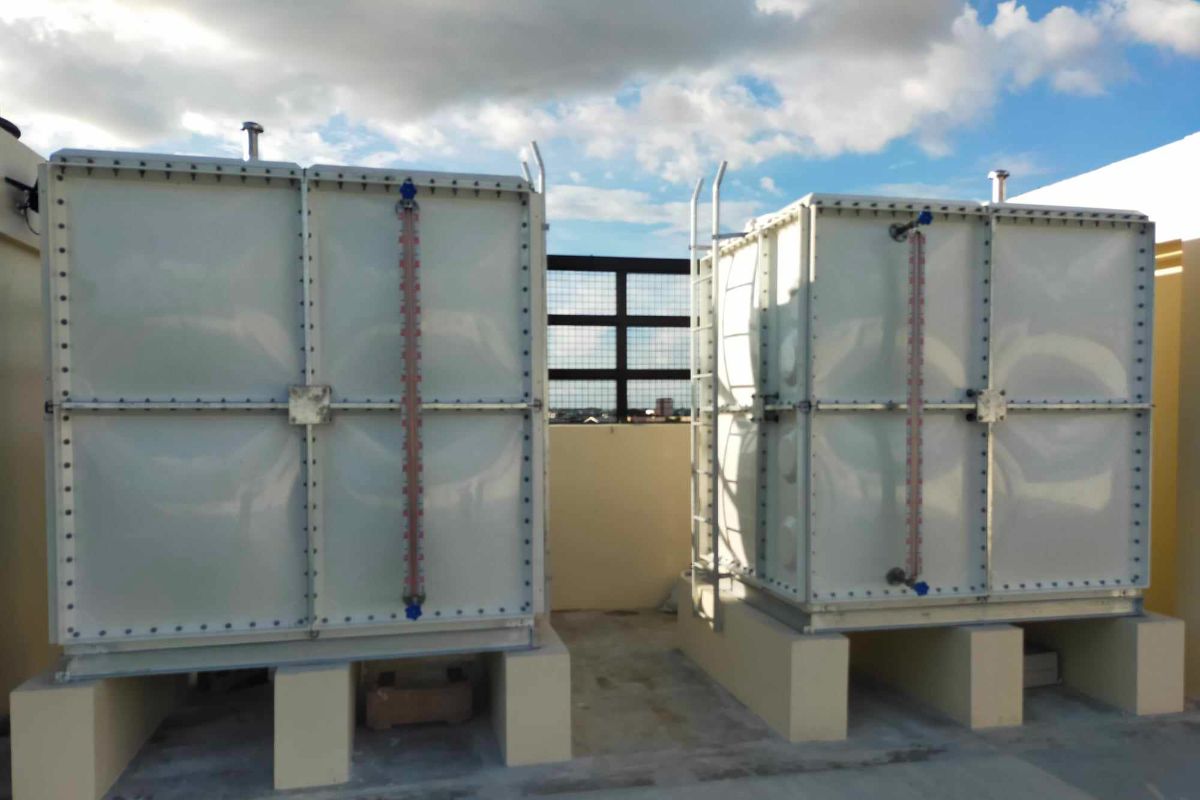
Modern facilities must balance performance with cost control and resource management. Properly designed storage contributes to both.
High-quality tanks reduce repair frequency, prevent leakage, and extend system lifespan. Lower maintenance requirements translate to reduced labor costs and fewer operational interruptions.
Investing in durable systems lowers the total cost of ownership over time.
Well-sized and properly integrated storage stabilizes pressure across internal networks, minimizing pump strain and reducing the risk of overflow or leakage.
This protects infrastructure assets while improving overall system efficiency.
On-site storage enables greater oversight of water quality. Facilities can implement inspection protocols, filtration systems, and testing procedures with greater control compared to relying solely on external supply.
This strengthens compliance and operational assurance.
Water reliability extends beyond individual facilities—it supports broader productivity and economic continuity.
In agricultural and rural developments, consistent water reserves protect crop yield and livestock health during dry seasons or supply interruptions.
Storage systems reduce dependence on unpredictable water sources, stabilizing output and operational planning.
For commercial and industrial sectors, reliable water storage minimizes disruption risk and prevents emergency procurement costs during shortages.
Operational continuity supports long-term financial stability and protects infrastructure investment.
Understanding why safe and efficient water storage matters means recognizing its role in health protection, operational continuity, cost control, and infrastructure resilience. For commercial and industrial facilities in the Philippines, water storage is not optional—it is foundational.
Aqua Cube Tank provides modular, corrosion-resistant water storage systems engineered for Philippine operating conditions. Designed for durability, hygiene, and scalable capacity, our solutions help facilities maintain a safe, uninterrupted water supply with minimal long-term risk.
Contact Aqua Cube Tank to discuss a storage system aligned with your project requirements.
Learn the right approach to planning water storage for multi-building developments:
Find out what happens when your water storage capacity is insufficient and how Aqua
Find out why modular water tanks are becoming standard for new commercial properties