September 24, 2026
The Right Approach to Planning Water Storage for Multi-Building Developments
Learn the right approach to planning water storage for multi-building developments:
Overview
- Water storage tanks crucially improve disaster preparedness in the Philippines by securing clean water reserves during severe weather.
- They prevent waterborne diseases, support evacuation centers, provide fire suppression, and aid flood mitigation through rainwater harvesting.
- Aqua Cube Tank offers durable, modular storage solutions to help facilities build resilient infrastructure for emergency readiness.
A national survey found that disaster preparedness in the Philippines averaged only 19.2 out of 50, underscoring a serious gap in emergency readiness. This reality highlights how water storage tanks improve disaster preparedness in the Philippines when typhoons, flooding, earthquakes, and infrastructure damage disrupt access to clean water.
These systems ensure that Filipino households, businesses, and communities have the essential resources needed for drinking, sanitation, and daily operations when the regular water supply fails, providing a reliable, clean reserve secured before an emergency strikes.
Flooding and disrupted water systems after typhoons in the Philippines present severe public health risks, primarily driven by outbreaks of illnesses like leptospirosis and gastroenteritis. The catastrophic impacts of these infrastructural breakdowns are well-documented in past disasters.
For instance, contaminated floodwaters following the 2009 Metro Manila floods led to 471 documented hospitalizations and 51 deaths from leptospirosis. Similarly, when displaced residents returned home to compromised water networks in Leyte after Typhoon Haiyan, the area suffered a severe outbreak of acute gastroenteritis.
These historical precedents underscore a critical post-disaster reality: securing immediate access to safe drinking water is a paramount public health priority in emergency settings.
Displaced communities need stable access to drinking water and sanitation, and evacuation centers often struggle when supply systems are damaged.
The ICRC reported that in the Philippines, it installed 49 water tanks in 27 evacuation centers and delivered more than 100,000 liters of potable water daily to 34,000 displaced people, showing how essential onsite storage can be during emergencies.
This supports the idea that tanks help shelters operate independently when external water delivery is delayed.
Rainwater harvesting serves as a highly effective, dual-purpose strategy for water supply and urban flood management. By intercepting heavy rainfall at the source, these techniques actively reduce surface runoff and lower peak water flow during severe storm events.
This reduction in water volume has a direct economic benefit; a 2020 study demonstrated that implementing rainwater harvesting tanks can significantly mitigate urban flood damage, cutting expected annual financial losses by up to approximately 30 percent in a documented case study.
Natural disasters frequently compromise municipal water pressure just when fire risks—from ruptured gas lines or electrical faults—are at their highest. Integrating dedicated fire-water reserves into a facility’s design ensures that automatic sprinkler systems and local firefighting efforts have an uninterrupted, high-pressure water source, even if the city’s main water distribution network fails completely.
Rainwater collection systems serve as a vital tool for urban flood management by temporarily capturing rainfall before it can overwhelm drainage networks. By intercepting this water at the source, harvesting infrastructure effectively lowers both flood depth and flood extent in dense urban settings.
In fact, a 2020 flood-management study found that the extensive deployment of rainwater tanks could reduce expected annual flood damage by up to approximately 30 percent. However, the research also notes that the ultimate success of this strategy relies heavily on two critical variables: available storage capacity and the specific timing of the rainfall events.
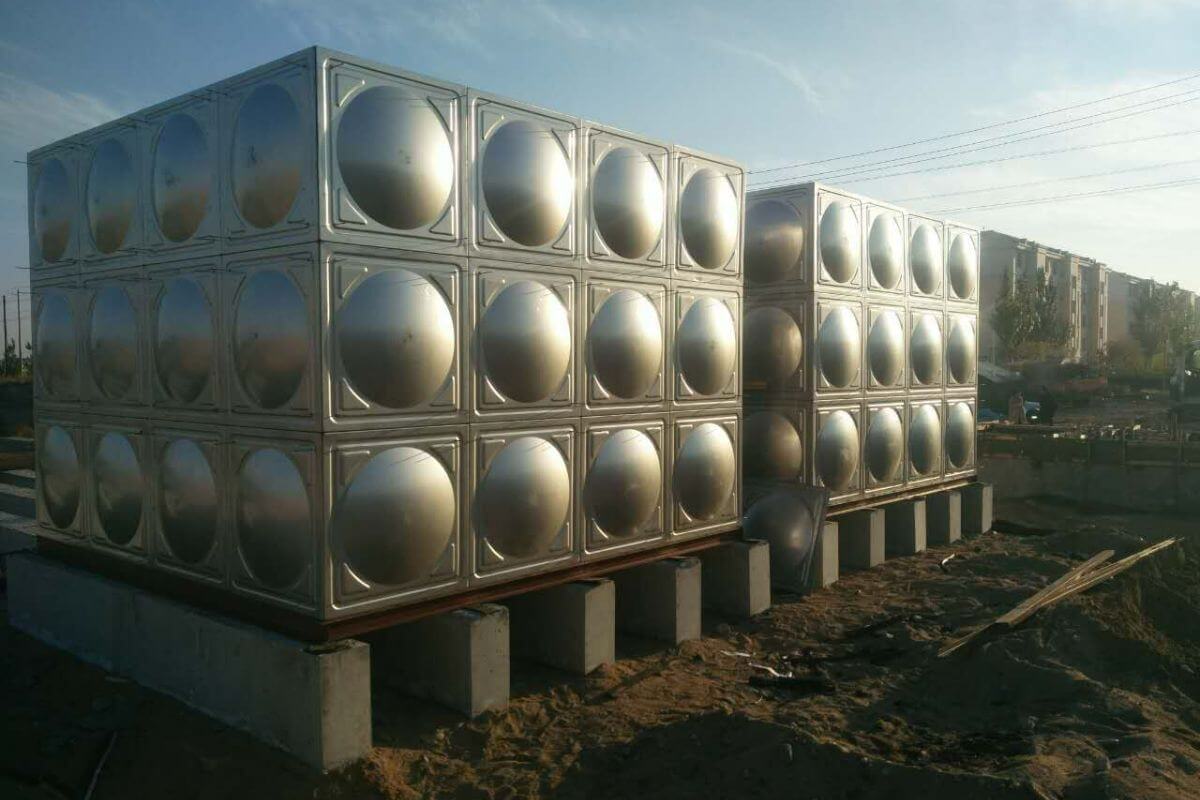
Our systems match custom tank configurations with specific capacity demands, helping engineers and project teams build resilient infrastructure that supports both daily operations and emergency readiness.
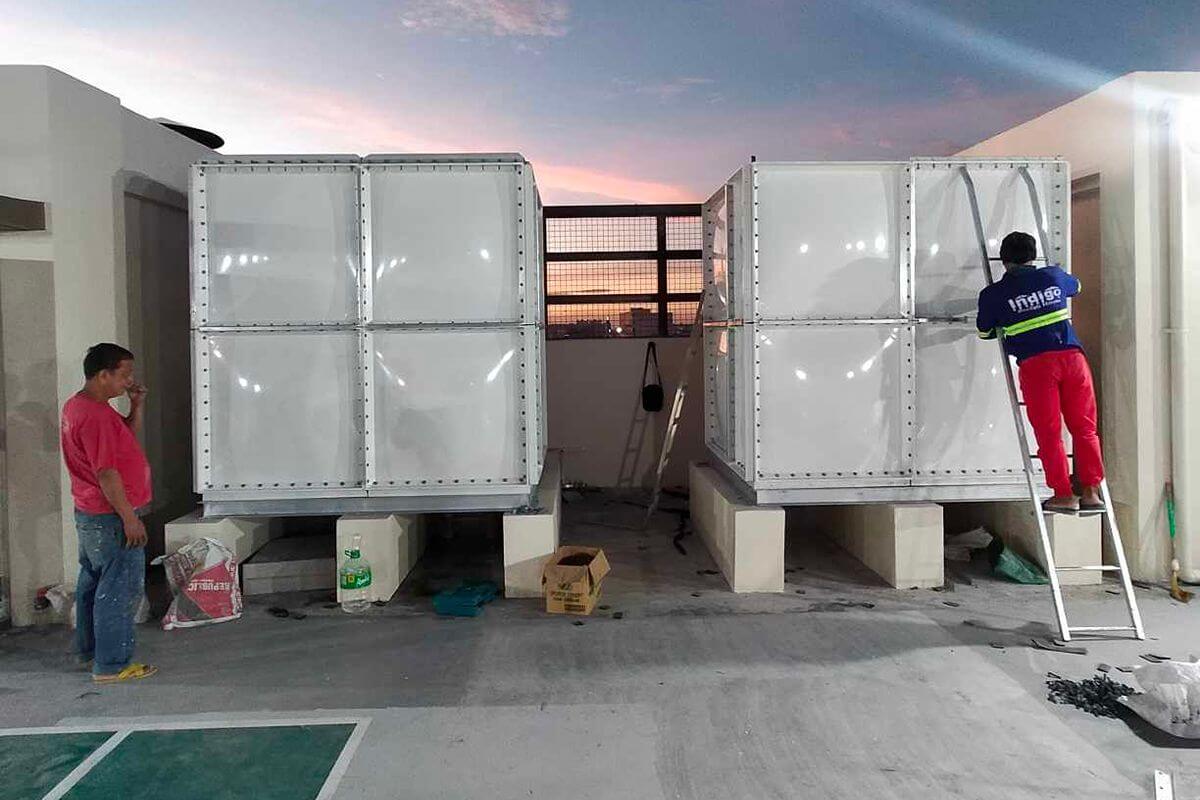
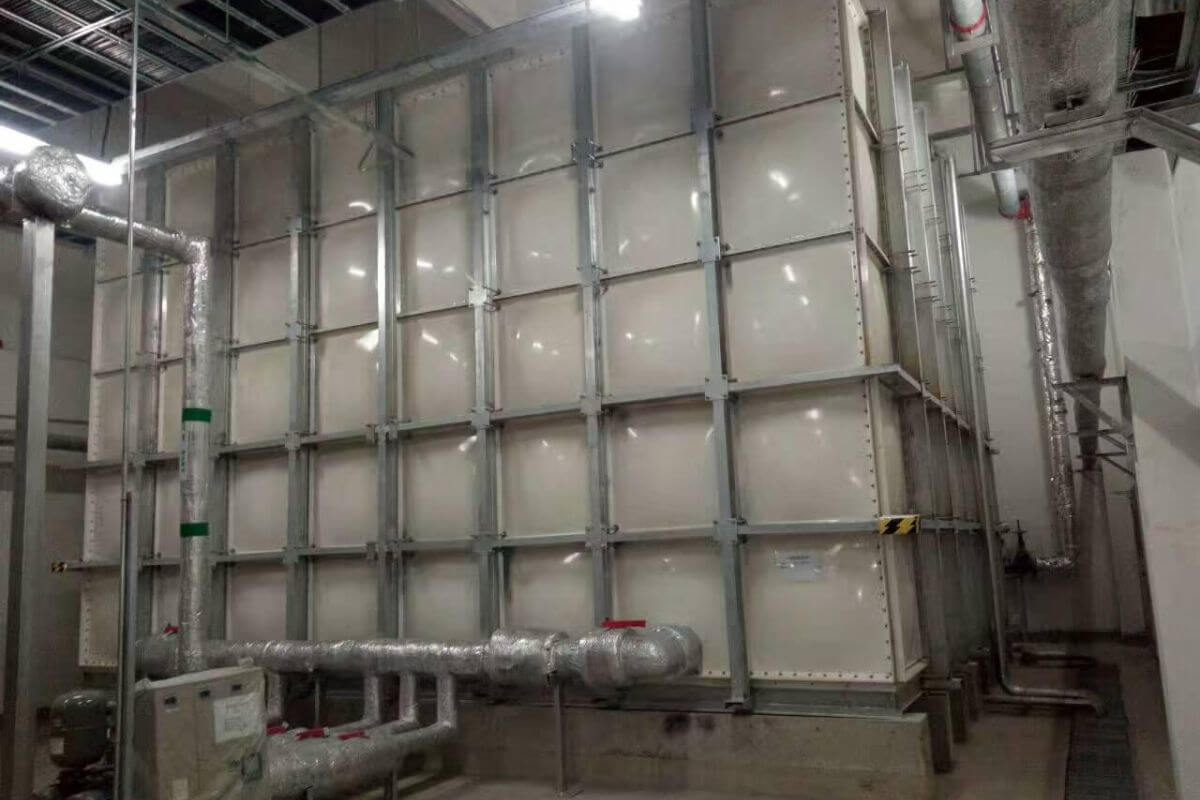
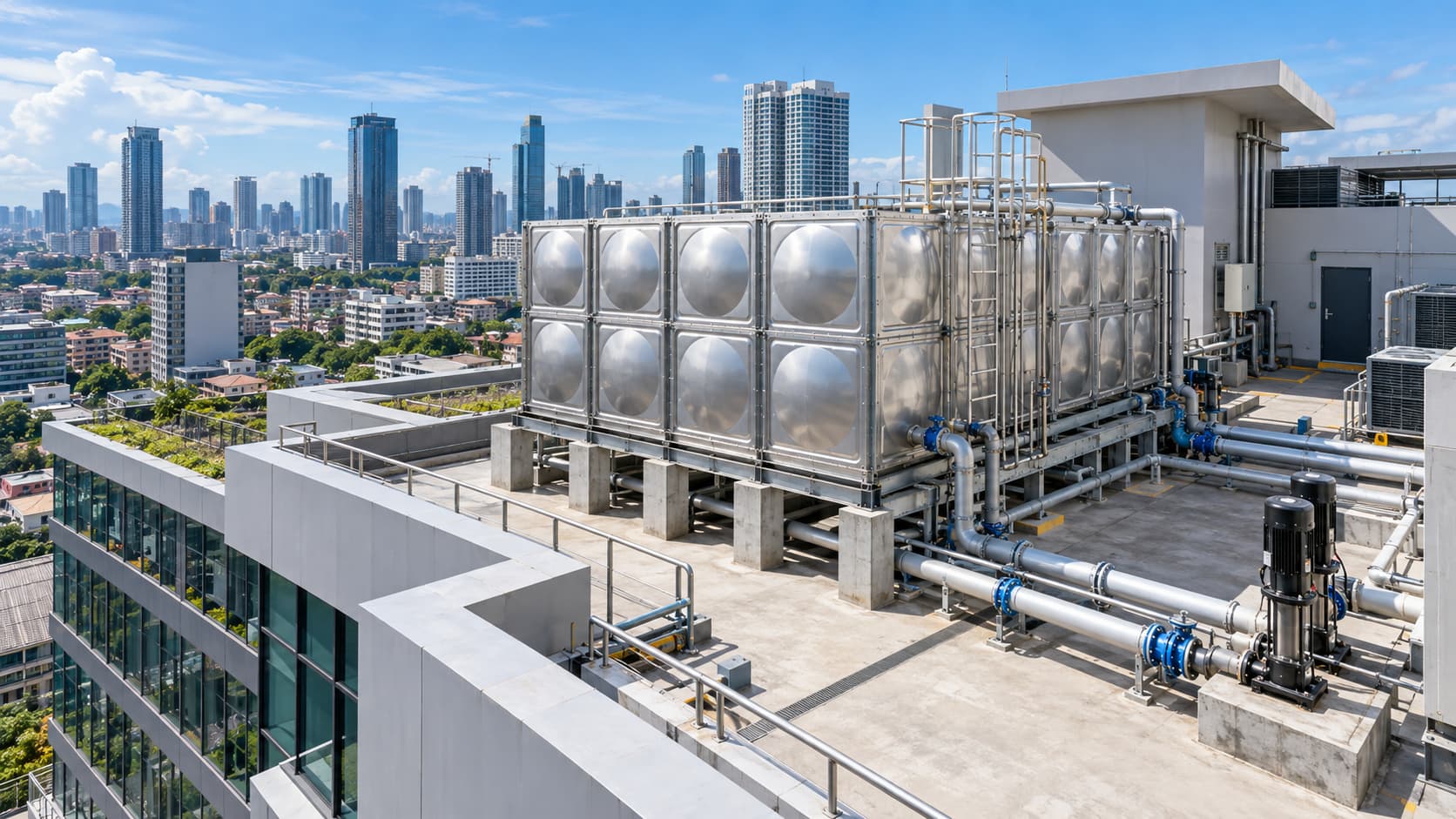
Aqua Cube Tank provides engineered modular water storage solutions built for durability and adaptability, ensuring critical facilities in the Philippines maintain secure water reserves during typhoons, grid failures, and prolonged supply interruptions.
Our tank solutions include:
Understanding how water storage tanks improve disaster preparedness in the Philippines highlights the value of designing facilities with resilience in mind. From maintaining clean water access and supporting evacuation efforts to improving fire readiness and managing heavy rainfall, reliable storage systems provide critical support during emergencies.
Aqua Cube Tank delivers top-quality modular water storage solutions to support facilities in the Philippines. With durable materials, flexible configurations, and expert installation support, our systems are built to meet the demands of residential, commercial, and industrial applications. Reach out to us today to learn more.
Learn the right approach to planning water storage for multi-building developments:
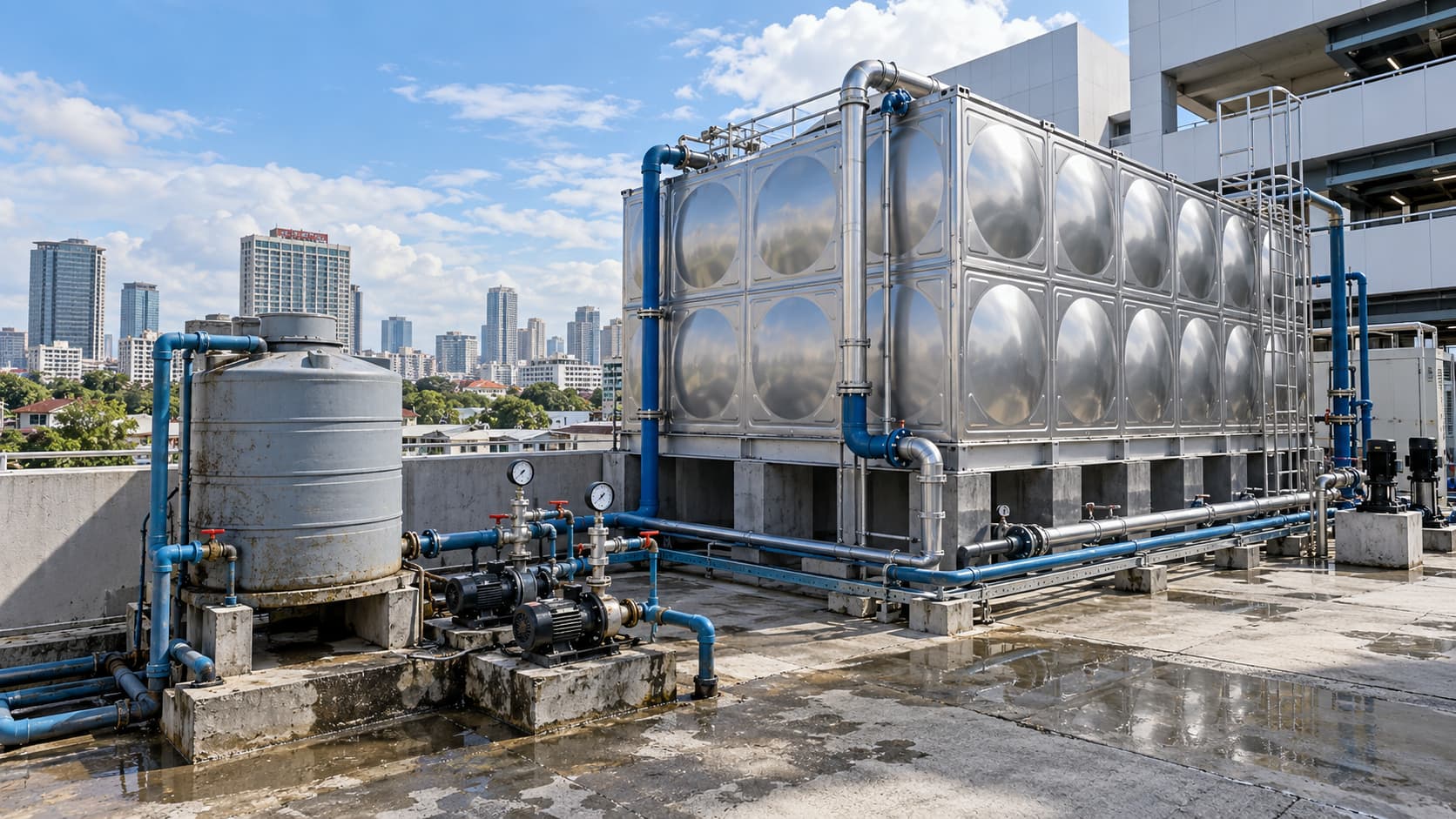
Find out what happens when your water storage capacity is insufficient and how Aqua
Find out why modular water tanks are becoming standard for new commercial properties