September 24, 2026
The Right Approach to Planning Water Storage for Multi-Building Developments
Learn the right approach to planning water storage for multi-building developments:
Overview
- Selecting a modular water tank supplier for an industrial facility requires evaluating material quality, engineering capability, certifications, experience, installation support, and lifecycle value.
- Prioritizing scalable designs, reliable lead times, and compliance ensures efficient operations, reduced risks, and long-term performance while maintaining water quality, structural integrity, and adaptability for future expansion needs.
Understanding how to choose a modular water tank supplier for an industrial facility is a critical part of procurement decisions, as it directly impacts operational efficiency, system reliability, and compliance with industry regulations.
When evaluating potential partners, factors such as material quality and end-to-end support help anticipate risks while accommodating future expansion requirements. A structured approach to selection enables facility managers to make informed decisions that safeguard water distribution and maintain optimal system performance.
High-quality materials, sound engineering, and proven structural design are essential to ensuring longevity, reliable performance, and compliance with industrial requirements. Evaluating these factors early enables authorized personnel to minimize risks and select a system capable of performing effectively under demanding conditions.
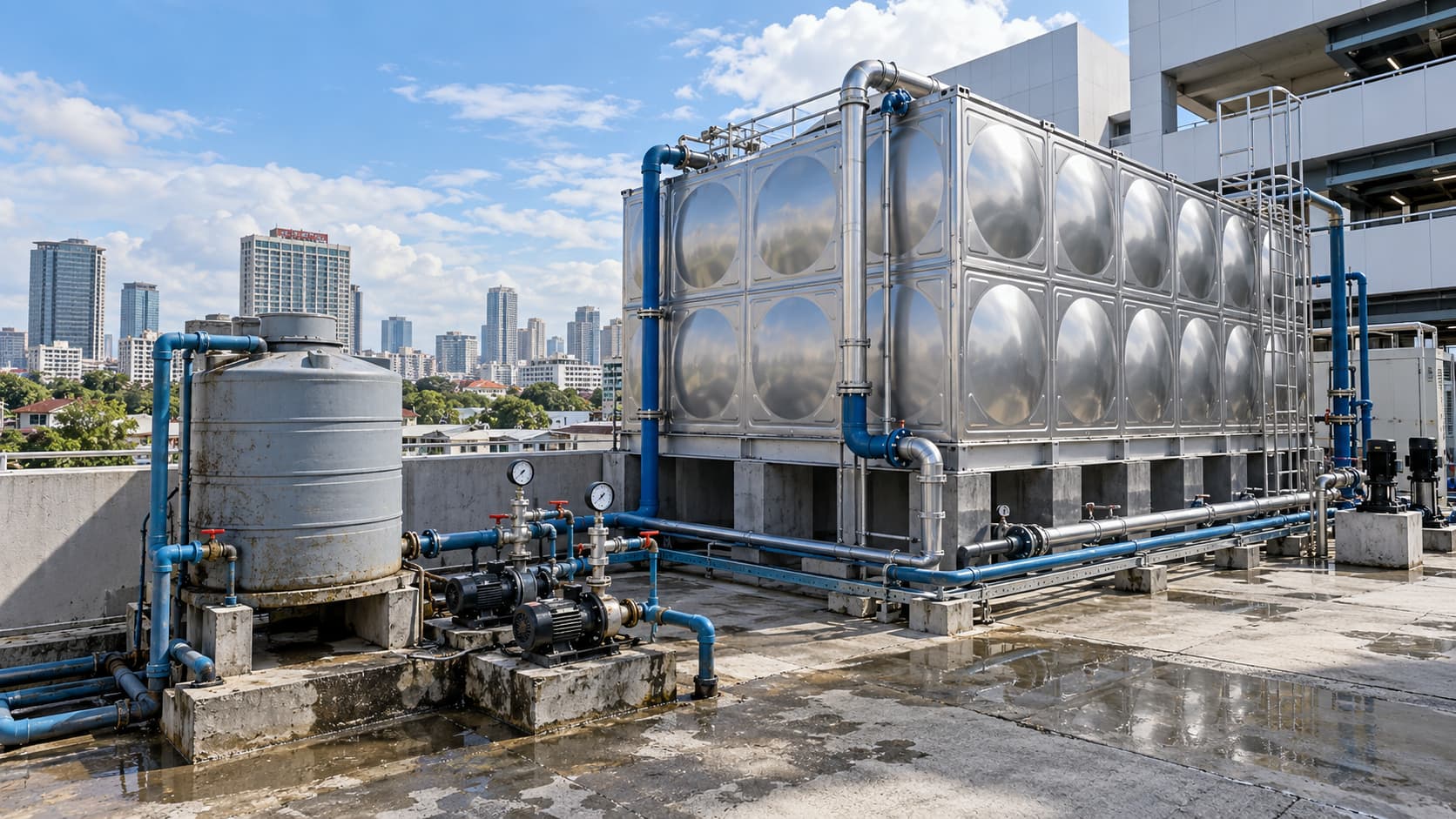
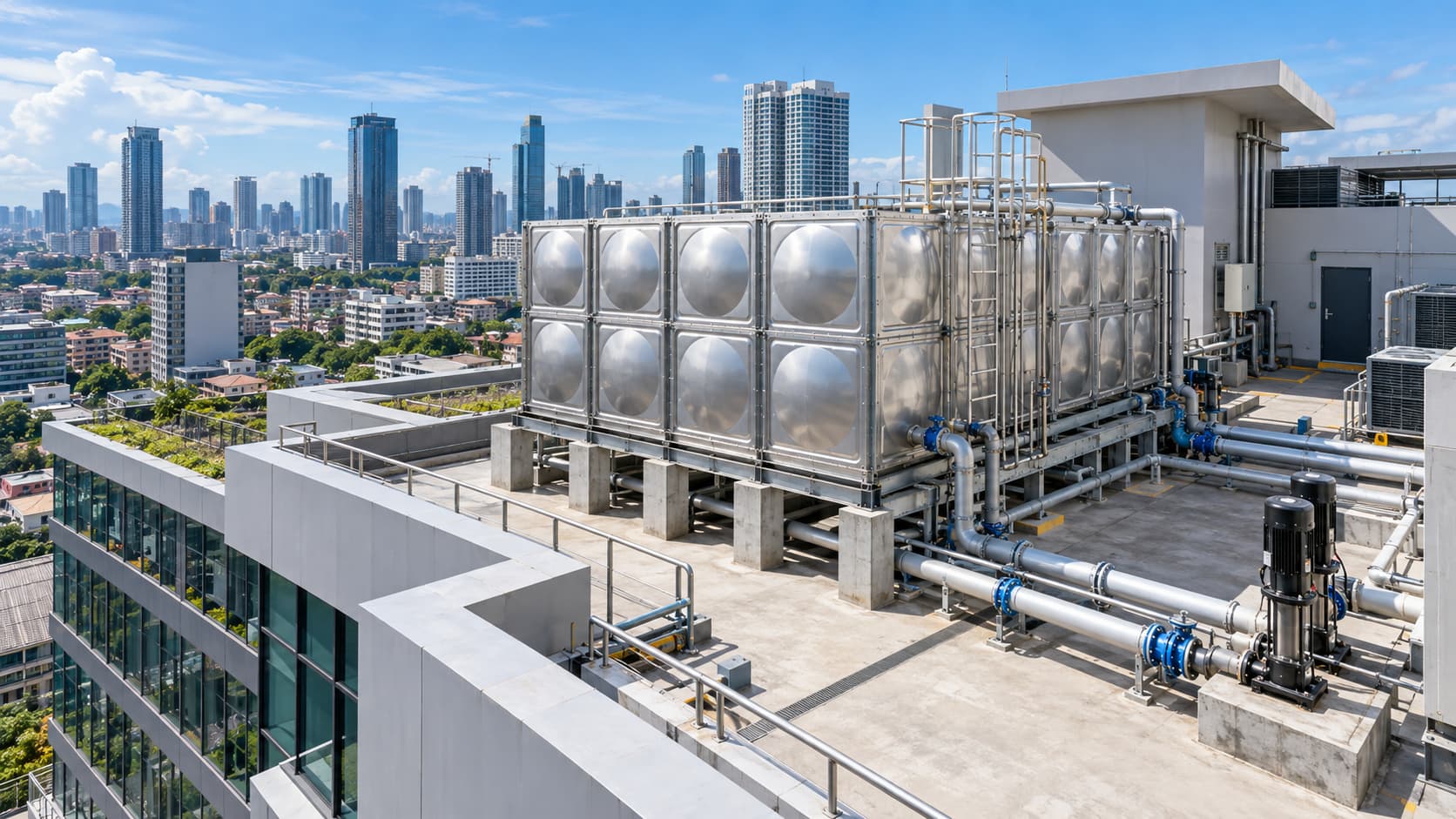
Constructed from prefabricated stainless steel panels that are bolted and sealed on-site, these tanks form a durable and customizable structure. They are recognized for excellent corrosion resistance and a hygienic surface, making them suitable for potable water storage, food-grade applications, and industrial processes where water purity is critical.
Aqua Cube Tank’s stainless steel modular systems integrate corrosion resistance, structural strength, and hygienic design to deliver reliable, low-maintenance performance across industrial, commercial, and potable water applications.
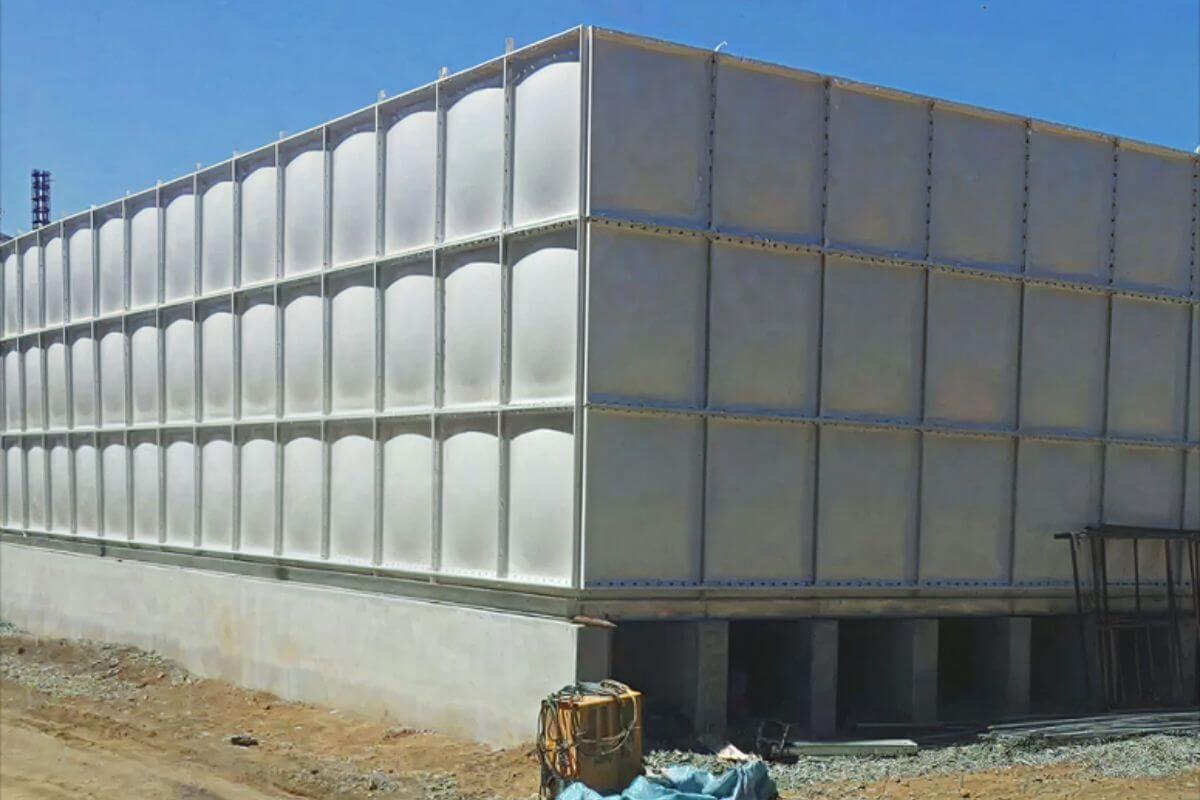
Made from composite panels reinforced with high-strength glass fibers, these tanks are assembled on-site into a lightweight yet durable structure. FRP systems are highly resistant to corrosion and are widely used for both potable and industrial water storage applications.
Engineered for durability and hygiene, Aqua Cube Tank’s FRP solutions use precision-molded fiber-reinforced polymer panels that resist corrosion, leakage, and wear while maintaining a smooth, easy-to-clean surface.
Material Composition:
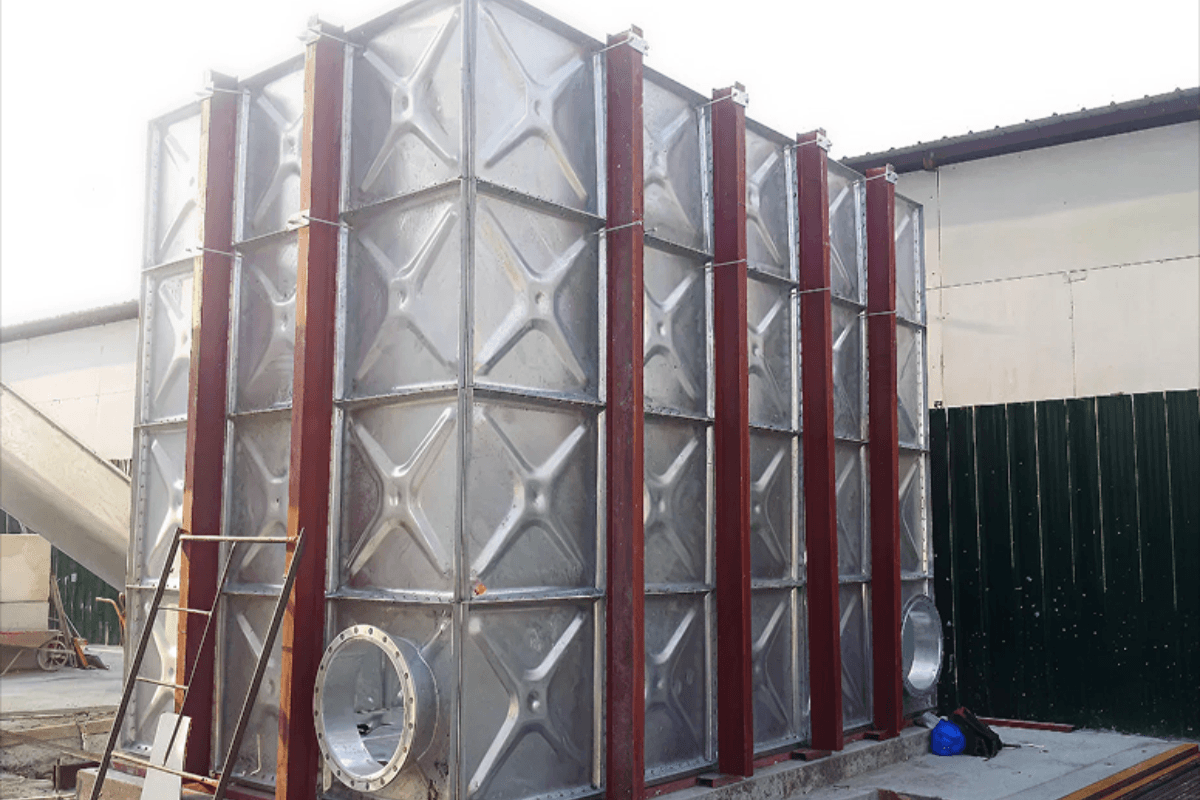
These tanks are fabricated from steel panels coated with a protective layer of zinc, enhancing resistance to rust and corrosion. The panels are assembled into a robust structure designed for residential, commercial, and industrial water storage applications.
Galvanized steel systems are valued for their durability, cost efficiency, and ability to withstand outdoor exposure and harsh operating conditions, making them a practical long-term storage solution.
Selecting a modular water tank distributor requires evaluating their proven experience and industry reputation. Verifying their track record helps industry professionals minimize risk, ensure compliance, and secure long-term performance from their water storage system.
Evaluate a provider’s experience with industrial-scale projects similar to your facility’s requirements. Review completed installations, case studies, and client references to confirm successful delivery of systems with comparable size, complexity, and compliance standards. Consistent adherence to project timelines and sustained client relationships are strong indicators of reliability.
Examine case studies that clearly outline the challenges addressed, the technical solutions implemented, and the measurable outcomes achieved. Well-documented examples should demonstrate regulatory compliance, timely installation, and sustained system performance, providing evidence of the distributor’s capability to meet real-world industrial demands.
Check for relevant certifications that cover material quality, manufacturing processes, structural integrity, and potable water safety where applicable. Ensure alignment with local regulatory and inspection requirements. Proper certifications reduce compliance risks while demonstrating the provider’s commitment to quality, safety, and reliability.
Comprehensive installation and after-sales support are critical to the long-term performance of a modular water tank system. A supplier’s expertise ensures proper assembly, reliable operation, and ongoing support throughout the system’s lifecycle, helping maintain efficiency and minimize operational issues.
This involves delivering prefabricated panels and components, accurately aligning and bolting them together, and sealing joints to prevent leaks. Professional installers follow engineering specifications, verify load distribution, and conduct quality inspections during installation. Managing the entire on-site assembly process reduces errors, minimizes downtime, and ensures the tank functions effectively from day one.
A reliable distributor provides clear and realistic timelines for manufacturing, delivery, and on-site assembly. Operations managers must ensure that the supplier can meet project deadlines without compromising quality, even for large or custom modular tank systems. Consistent lead times help reduce the risk of operational delays and support timely project completion.
This includes assistance with troubleshooting, preventive maintenance recommendations, and guidance on inspections and repairs. Accessible and knowledgeable support helps minimize downtime, extend system service life, and maintain compliance with operational and safety standards.
When selecting a modular water tank distributor, evaluating long-term value is as important as considering the initial purchase price. Assessing key factors helps ensure that the investment delivers reliable and sustainable water storage performance.
This refers to the full range of expenses associated with a modular water tank, including installation, maintenance, repairs, and potential operational downtime. Distributors that use corrosion-resistant materials and provide dependable technical support help minimize long-term costs. Focusing on life cycle performance rather than upfront price supports more informed procurement decisions that improve budget efficiency and operational stability.
Modular tank systems that allow additional panels or sections to be added over time provide flexibility as water demand increases. Selecting a supplier that supports phased expansion enables facilities to adapt to evolving operational requirements while protecting long-term infrastructure investments.
This covers compliance with potable water regulations, structural safety standards, and proper waste management during manufacturing and installation. Suppliers that adhere to these standards reduce regulatory risks, ensure personnel safety, and support sustainable water storage operations over the long term.
Knowing how to choose a modular water tank supplier for the industrial facility includes factors like material quality, certifications, engineering support, installation expertise, and long-term scalability.
For industrial operations seeking high-performing modular water tanks, Aqua Cube Tank provides engineered solutions designed for durability, compliance, and operational efficiency. Only reach out to us today to discuss a solution that ensures optimal performance for your institution!
Learn the right approach to planning water storage for multi-building developments:
Find out what happens when your water storage capacity is insufficient and how Aqua
Find out why modular water tanks are becoming standard for new commercial properties