September 24, 2026
The Right Approach to Planning Water Storage for Multi-Building Developments
Learn the right approach to planning water storage for multi-building developments:
Overview
- Modular water systems provide a scalable, flexible solution for growing storage demands, overcoming the limitations of fixed-capacity tanks.
- They offer fast installation, space efficiency, durability, and cost-effective phased investment.
- With adaptability to various environments and reliable performance, modular tanks support long-term operational growth while ensuring a consistent water supply and reduced downtime.
Water storage systems are typically designed based on projected operational demands at the time of facility commissioning. However, as throughput increases and process requirements intensify, fixed-capacity tanks often reach their limits.
At this stage, water storage becomes a constraint—restricting production scalability, limiting emergency reserves, and increasing operational risk. This is exactly why modular systems are the smart choice for scaling water storage.
In this article, we will highlight the key reasons businesses are shifting to modular solutions and how they support long-term operational growth.
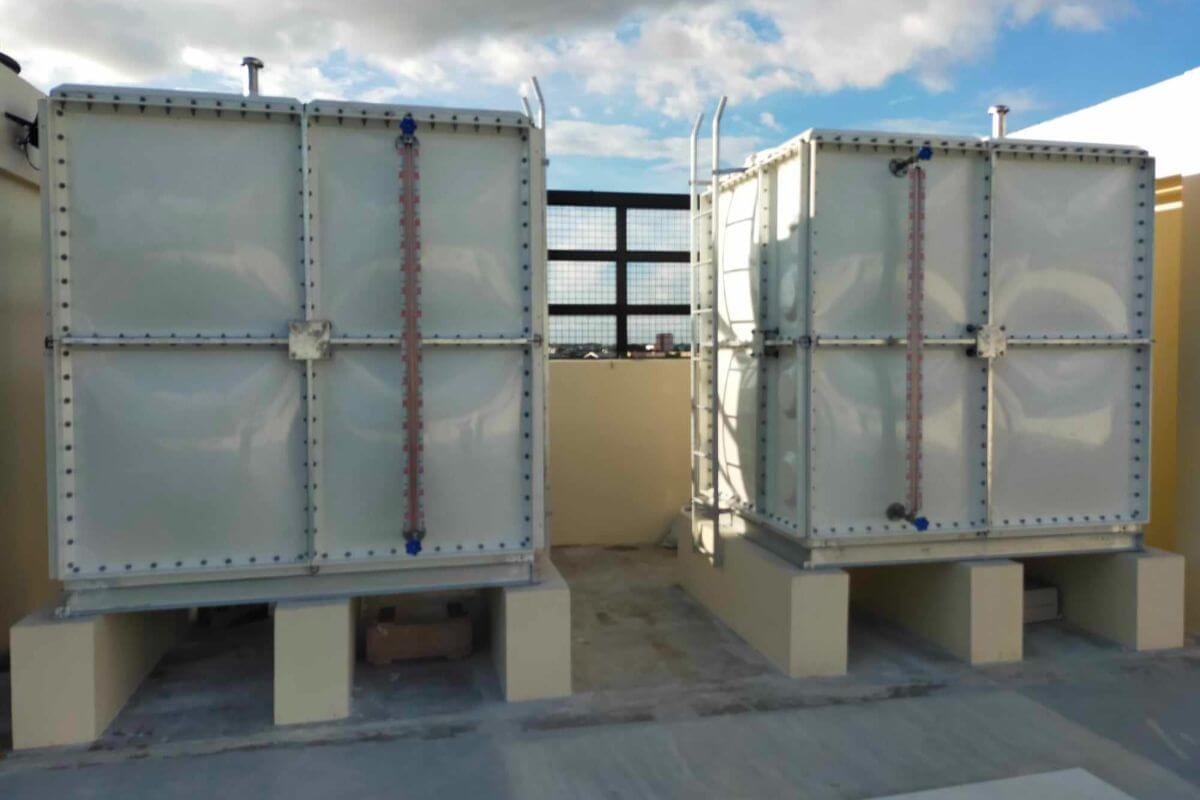
Modular tanks are designed to grow with your operations. Capacity can be increased incrementally by adding panels or sections, eliminating the need for full replacement.
This approach supports phased expansion while maintaining continuous operations and compliance with structural standards.
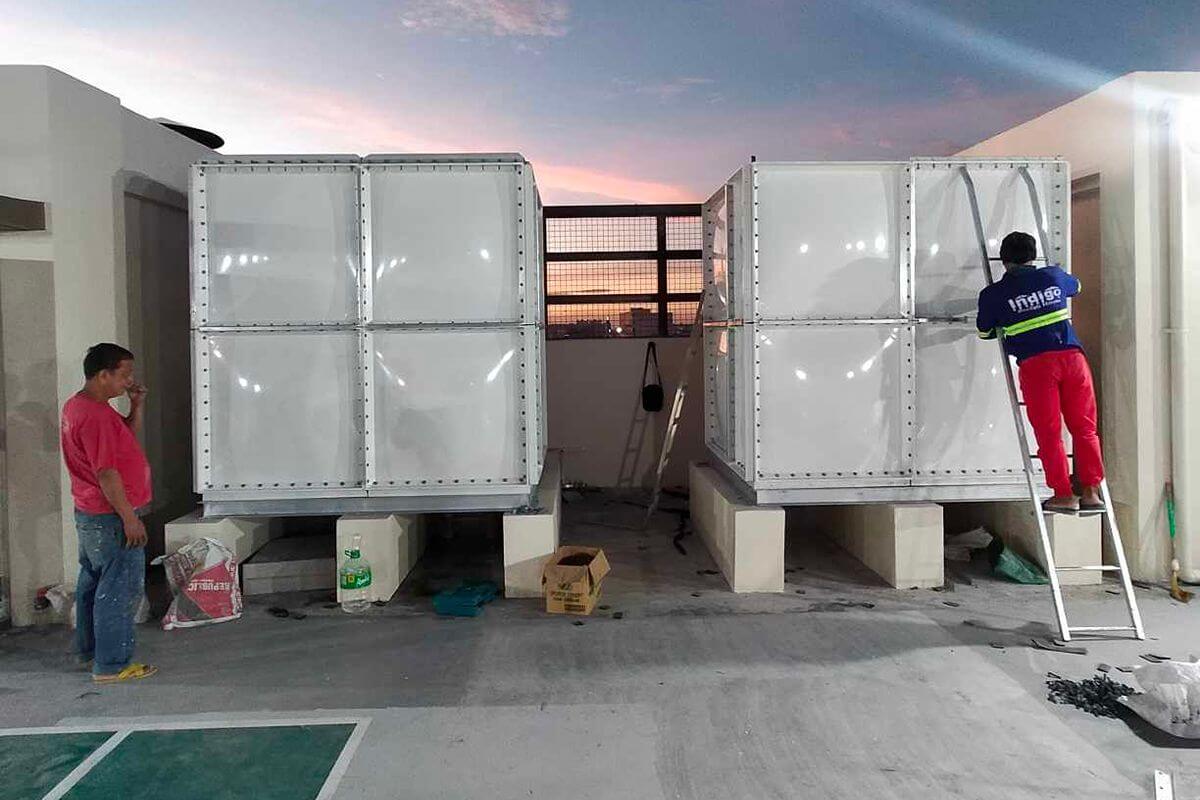
Using prefabricated panels and standardized connections, modular systems can be assembled quickly on-site.
Compared to traditional tanks that require complex construction and specialized labor, modular tanks significantly reduce installation timelines. This minimizes downtime and ensures that operations continue without major interruptions.
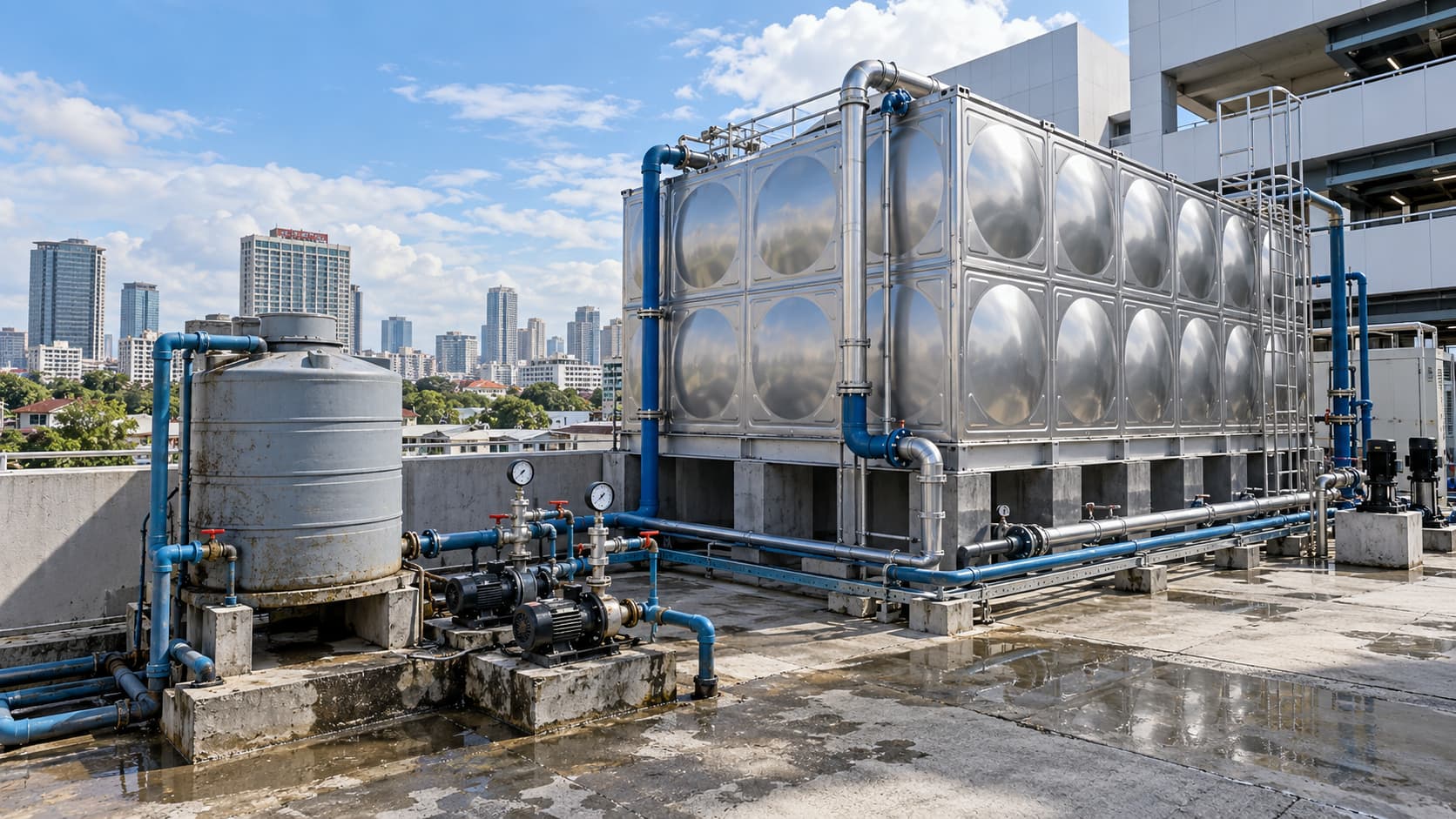
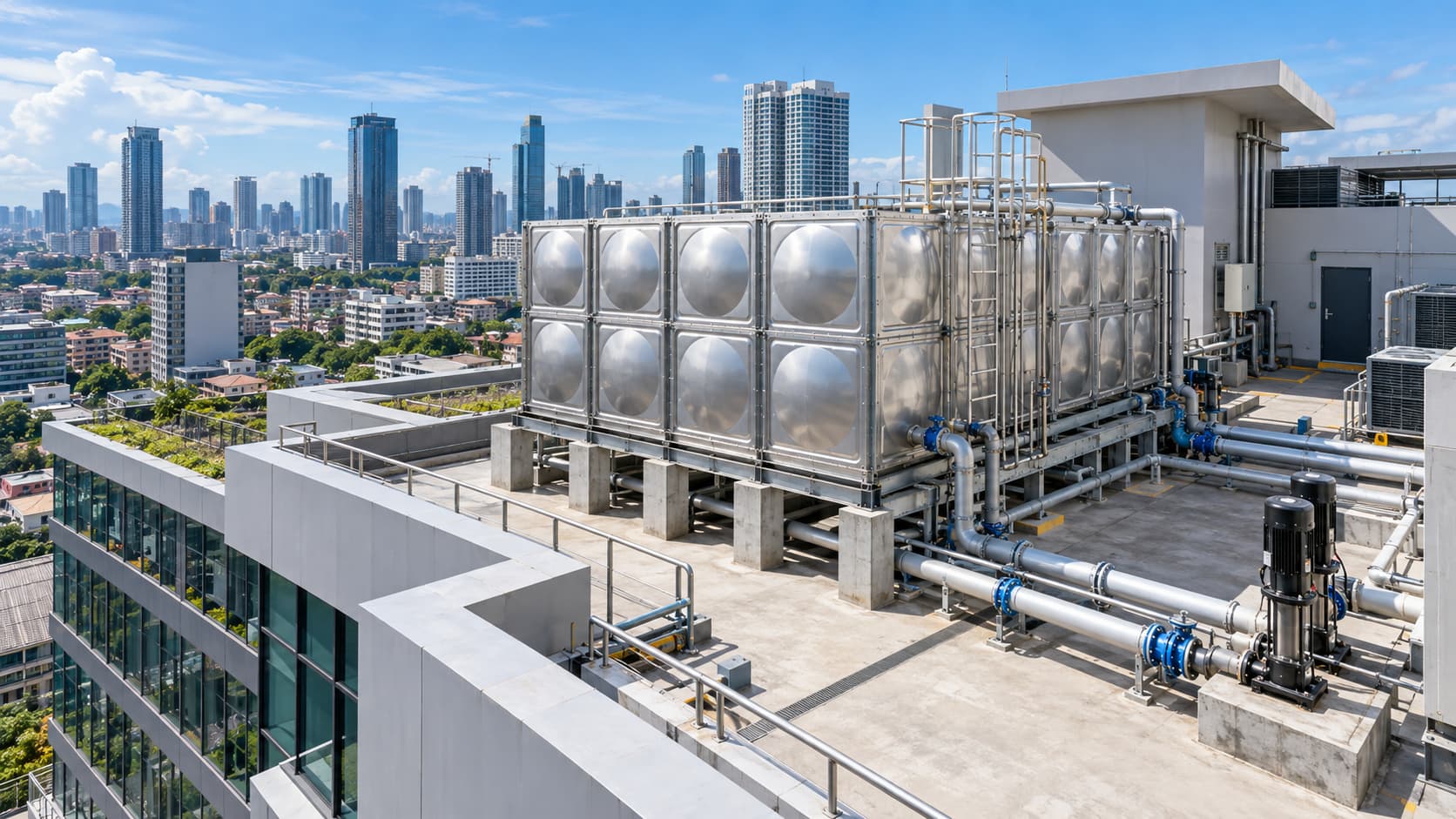
Space constraints are a common challenge for many facilities. Modular tanks offer flexible configurations that adapt to available areas, including rooftops, tight floor plans, or irregular layouts.
This adaptability eliminates the need for extensive structural modifications, allowing seamless integration into existing infrastructure.
Modular tanks are constructed from corrosion-resistant materials such as FRP and stainless steel, making them suitable for demanding industrial environments.
They are designed to withstand:
Maintenance is also simplified, as individual panels can be replaced without affecting the entire system—reducing lifecycle costs and extending service life.
Engineered to handle local environmental challenges, modular tanks maintain performance under heavy rainfall, strong winds, high humidity, and intense heat.
Their resistance to corrosion, deformation, and thermal stress ensures consistent reliability even in extreme weather conditions.
Instead of committing to large-capacity tanks upfront, modular systems allow facilities to scale storage gradually.
This phased investment approach:
Water storage becomes a flexible infrastructure asset rather than a fixed financial burden.
Proactive monitoring of water demand and system performance is essential to avoid operational bottlenecks. Facilities should consider scaling when:
Early planning ensures continuous operations and prevents costly disruptions.
For facilities facing expanding water storage needs, Aqua Cube Tank delivers dependable, professional-grade solutions. Backed by expert installation and local support in the Philippines, our modular systems ensure consistent water quality, minimize operational downtime, and accommodate future growth without major disruption to infrastructure.
FRP/GRP tanks are corrosion-resistant, UV-protected, and safe for drinking water. Their modular design allows for easy installation and low maintenance across residential, commercial, and industrial applications.
Material Compositions: Unsaturated polyester resin, Magnesium oxide (MgO), Curing and cross-linking agents, Low-shrinkage additive, Calcium powder, Zinc stearate, Colorant
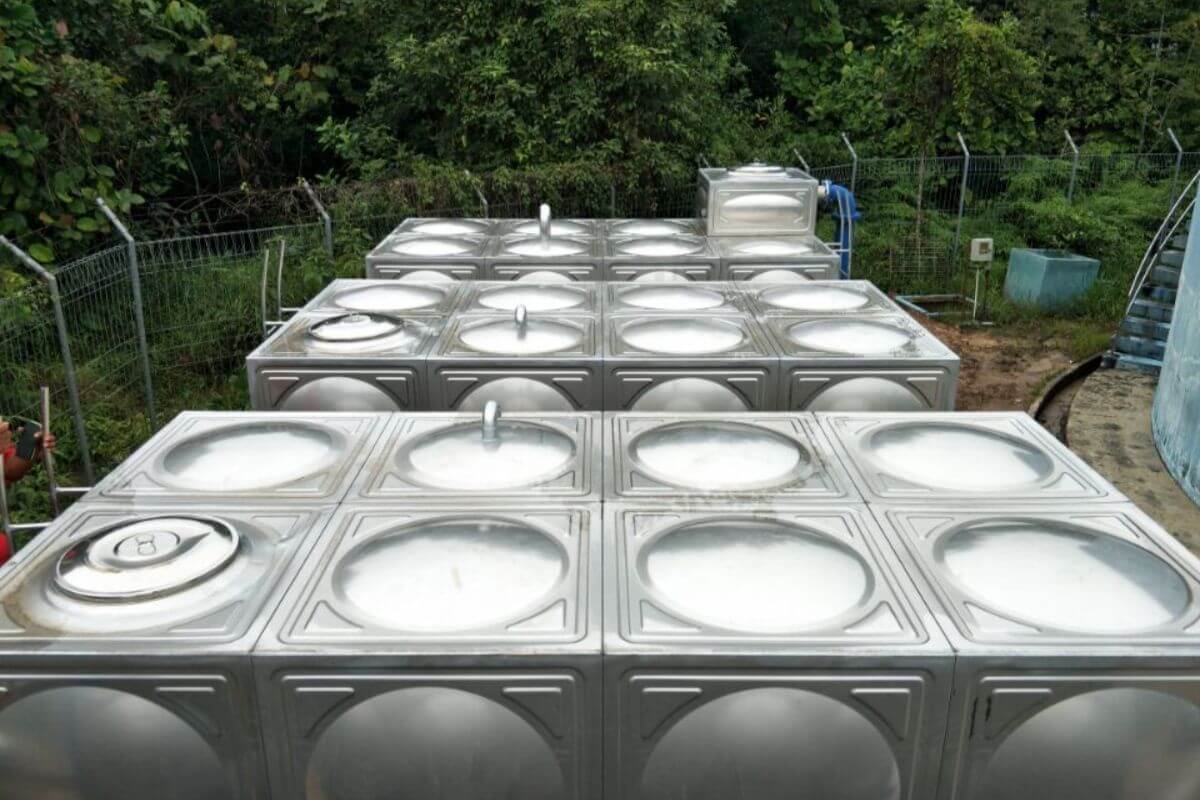
Stainless steel tanks provide excellent corrosion resistance, maintain water quality, and perform reliably under harsh conditions. To suit various operating environments and water conditions, Aqua Cube Tank offers multiple stainless steel options:
Our galvanized steel tanks deliver rust resistance, structural strength, and industrial-grade reliability. Customizable in size, they provide flexible water storage solutions for diverse commercial and industrial applications.
Flange Design: Panels are pressed with double flanges at 45° and 90° angles on all four sides.
Constructed from high-strength galvanized steel, these tanks offer excellent corrosion resistance and durability against harsh weather conditions while maintaining water quality. Their modular panel design supports quick on-site assembly, flexible sizing, and simplified maintenance.
Panel Specifications:
Panel sizes include 1220 × 1220 mm, 1000 × 1000 mm, 1000 × 500 mm, and 500 × 500 mm, with panel thickness ranging from 1.5 mm to 5 mm depending on tank dimensions.
Aqua Cube’s GFS modular tanks are engineered for exceptional durability, long service life, and superior water quality. Using glass-enamel steel plates, self-locking bolts, and sealants, these tanks enable fast, cost-effective on-site assembly without heavy equipment.
Roof Options: Aluminum deck roof, aluminum dome roof, enamel roof, double membrane roof, and fiberglass polyester roof.
Corrugated steel tanks are designed to provide structural strength, scalability, and suitability for large-volume water storage. Their corrugated panels allow for flexible configurations, quick assembly, easy transport, and cost-effective installation for industrial and commercial applications.
Standard Size Options: 6.188 m diameter × 3.41 m height; 8.0 m diameter × 2.9 m height; 10.0 m diameter × 2.6 m height; 20.0 m diameter × 3.41 m height.
Recognizing operational growth, site constraints, and future water demand highlights why modular systems are the smart choice for scaling water storage. Their flexibility, fast assembly, and adaptability make them an efficient solution for industrial and commercial facilities.
Aqua Cube solutions are configurable, easy to install across diverse environments in the Philippines, and help ensure a reliable water supply while supporting future expansion. Contact us today to discuss the right storage system for your facility.
Learn the right approach to planning water storage for multi-building developments:
Find out what happens when your water storage capacity is insufficient and how Aqua
Find out why modular water tanks are becoming standard for new commercial properties