September 24, 2026
The Right Approach to Planning Water Storage for Multi-Building Developments
Learn the right approach to planning water storage for multi-building developments:
Overview
- Their panel-based design allows tanks to be built, expanded, or reconfigured to suit space limitations, regulatory requirements, and changing demand.
- By offering scalable capacity, hygienic materials, and compatibility with specialized liquids, modular systems address both everyday operational needs and critical contingencies.
Efficient water storage is a critical consideration across residential, commercial, and industrial projects. From supporting daily operations in factories to ensuring uninterrupted supply in high-rise buildings, the right storage system directly influences reliability, safety, and long-term efficiency.
As projects become more complex and space-conscious, traditional tank systems often fall short. This is where the applications of modular water tanks become increasingly relevant.
Designed to scale, reconfigure, and integrate into different environments, modular tanks go beyond basic water containment to meet diverse operational demands, regulatory requirements, and site limitations.
Residential and commercial projects require volumetric containment that is both high-capacity and space-efficient.
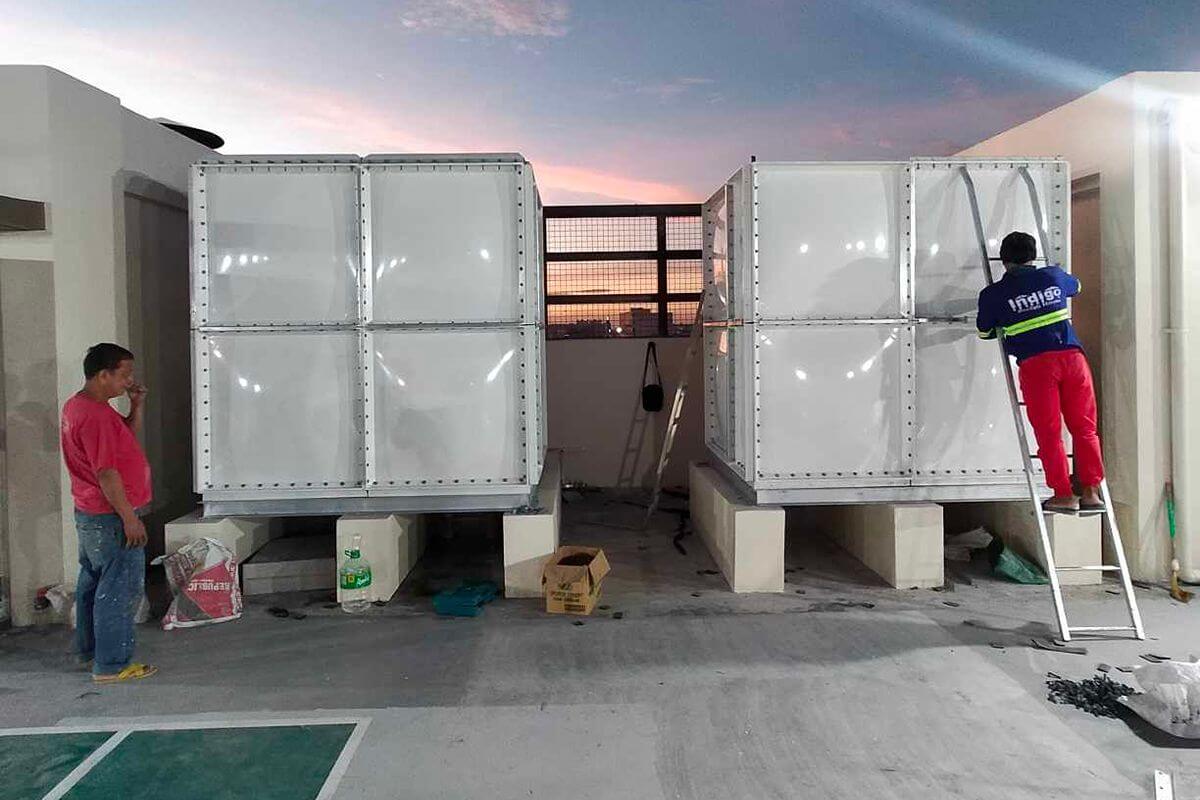
These bolted storage units are the preferred choice for these settings because they can be assembled on-site, allowing them to fit into basements, mechanical rooms, or setbacks that would be inaccessible to pre-formed, one-piece tanks.
For luxury estates and large residential complexes, a steady potable water reserve is essential for comfort and hygiene.
These systems act as a reliable source for daily use, ensuring that even during municipal supply interruptions, households have enough water for bathing, cooking, and cleaning. Using GRP panels ensures the liquid remains free from contamination and algae, providing a safe solution for long-term domestic use.
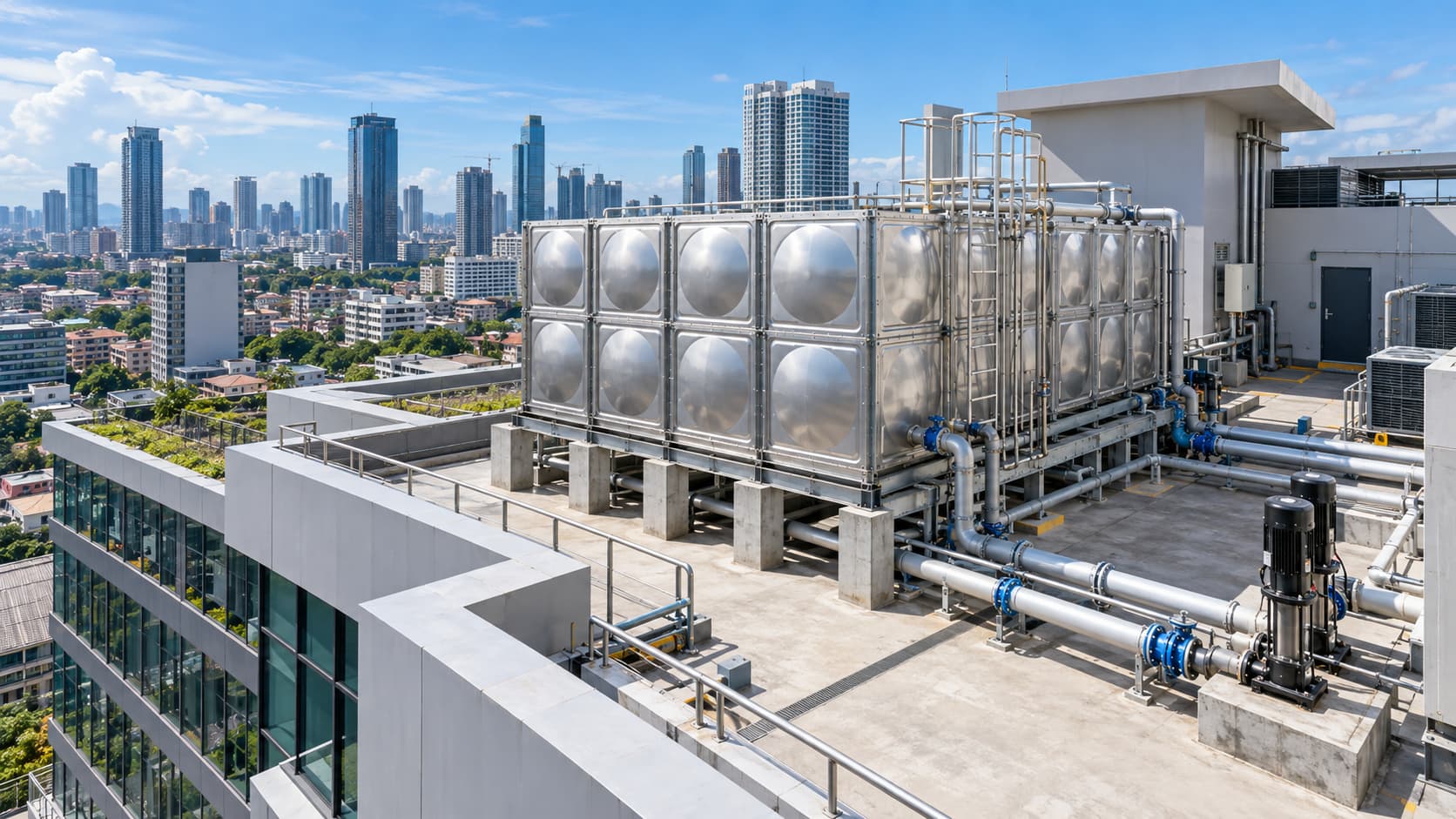
Water storage in high-rise buildings requires careful consideration of space and pressure distribution. Modular tanks can be installed on rooftops or in basements, with panels transported and assembled on-site to fit constrained areas.
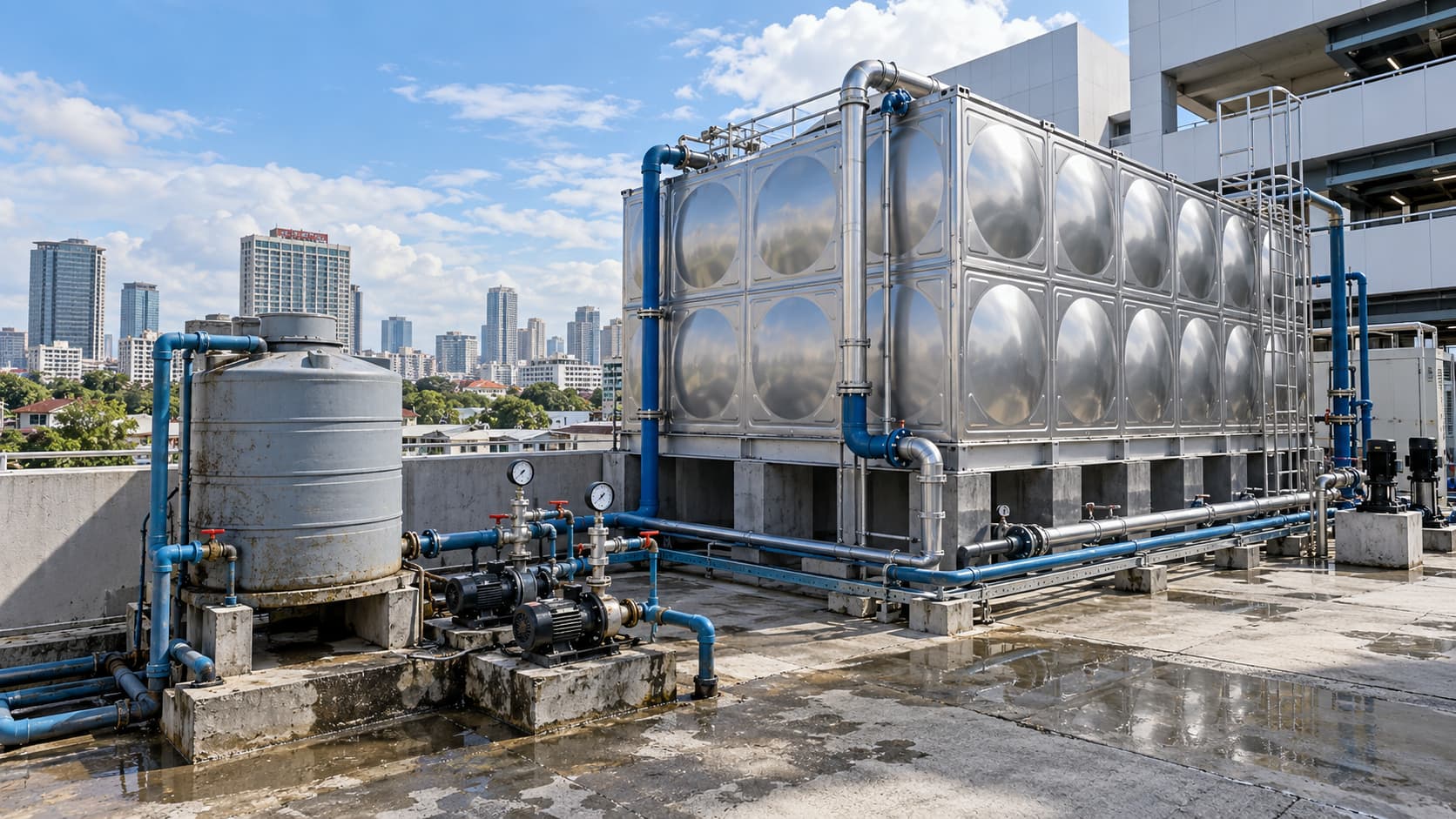
Once in place, they integrate with pumps and plumbing systems to maintain steady water pressure on every floor. Their modular design also allows capacity to grow over time, adapting as the building’s water demand increases.
Institutions like hospitals and schools have zero tolerance for shortages or poor sanitation. These facilities require hygienic reservoirs that meet strict health codes.
Pre-fabricated panel tanks provide a sterile environment for large volumes, and their scalable design means a school or hospital can expand its holding capacity as the facility grows without needing to overhaul its entire plumbing infrastructure.
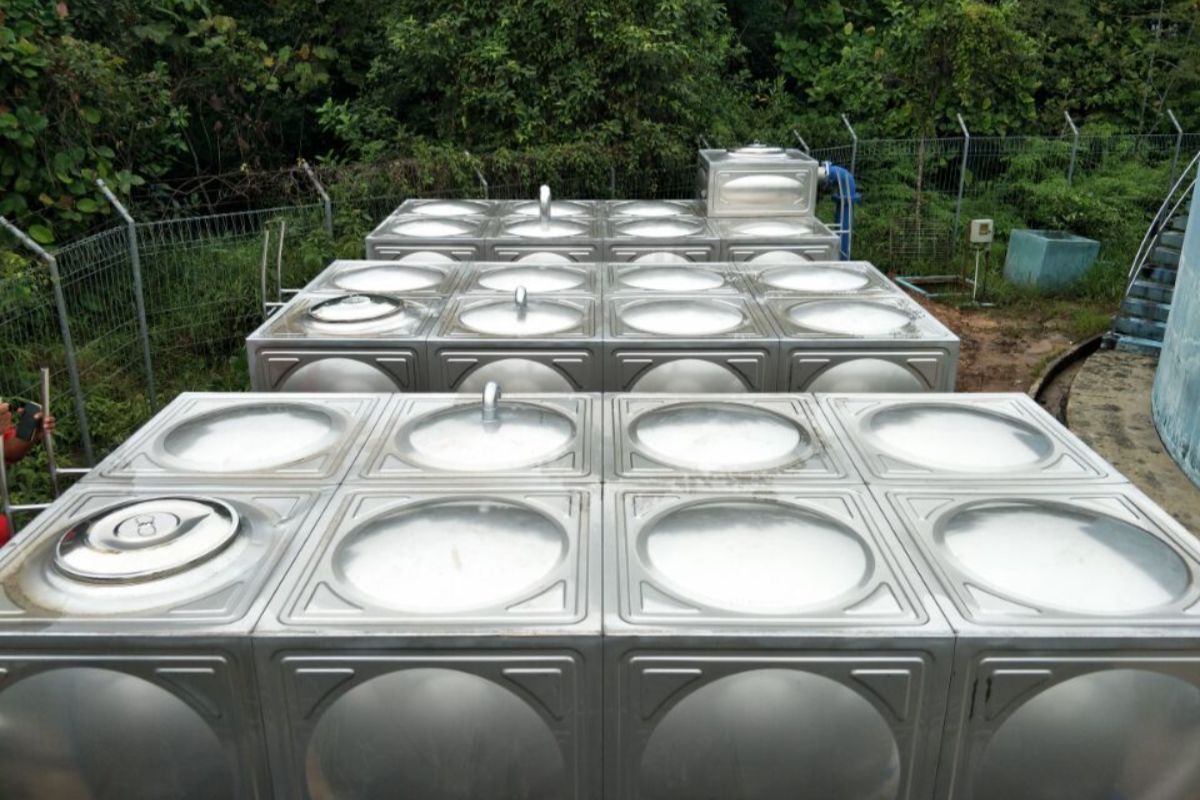
In agricultural and rural settings, the primary challenge is often the lack of centralized infrastructure.
Farmers and rural developers need ruggedized containers that are tough enough to withstand the elements while being simple enough to install in remote locations where heavy machinery may not have access.
Maintaining consistent crop yields depends on a reliable agricultural water supply. These sectional storage solutions act as a large-scale buffer, storing liquid gathered from wells or natural sources to be used during dry periods.
Because these units can be configured in various heights and widths, they can be placed on elevated ground to create gravity-fed systems, which significantly reduces the energy costs associated with pumping.
Providing clean, fresh water to livestock is vital for animal health and productivity. These systems are highly resilient against the corrosive nature of the outdoors.
Galvanized steel and coated options that prevent rust and degradation ensure that the drinking water supply for your livestock remains clean and the structure itself lasts for decades with minimal maintenance.
For communities located far from municipal lines, modular storage hubs serve as essential lifelines. These systems can be deployed quickly to serve as the primary source for a village or a remote housing development.
Their “plug-and-play” nature allows local teams to assemble the steel or plastic panels with basic tools, making them a practical solution for rural empowerment and infrastructure development.
Whether it is managing high-temperature liquids or complying with strict fire safety regulations, the applications of modular water tanks in the industrial sector are defined by their ability to adapt to harsh chemical and physical environments.
Manufacturing plants require massive volumes of industrial feed water for cooling machinery and facilitating production lines. A custom-configured tank allows an industrial plant to adjust its storage based on the exact volume needed for its specific machinery.
If production expands, additional sections can be added to the existing structure, providing a cost-effective way to scale operations without significant downtime.
Managing industrial runoff and sewage is a complex task that requires corrosion-resistant linings. Underground enamel units and bolted steel tanks are specifically designed to handle effluent.
These systems provide a secure, leakproof environment to hold waste before it is processed in an effluent treatment plant (ETP), ensuring that the facility remains compliant with environmental protection laws.
Every commercial and industrial facility must maintain a dedicated fire reserve for suppression systems. Panel-assembled tanks are ideal for this because they can be engineered to hold the specific, large volumes required by NFPA or local fire codes.
They are often partitioned, allowing one section of the structure to be used for general operations while the other is strictly reserved for emergency response.
Beyond standard water, industries often need to store liquids like de-ionized (DI) water for laboratories or molasses for food processing.
The versatility of the material options, ranging from 304 or 316 stainless steel to specialized coatings, means that it can provide a containment solution that is chemically compatible with the stored material, preventing leaks and ensuring product purity.
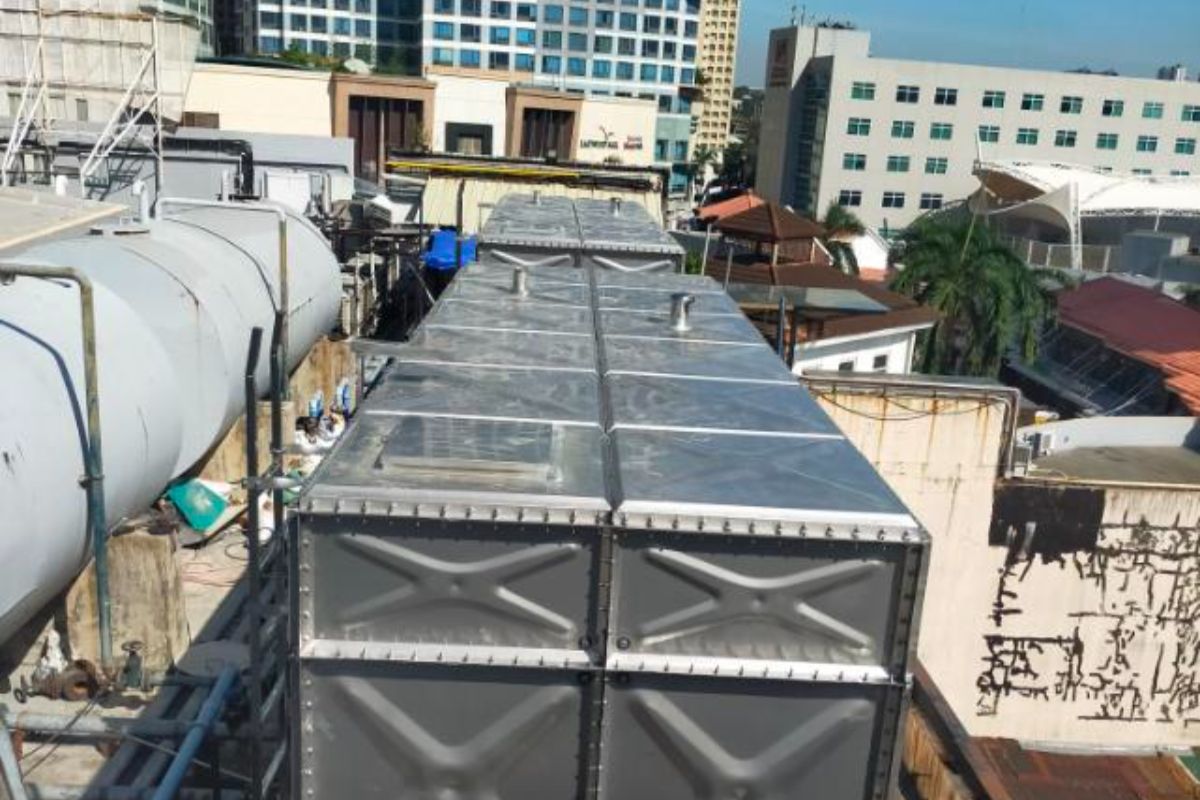
As environmental standards become more rigorous, modular containment technology is playing a key role in sustainable resource management and disaster response.
Their ability to be deployed and reconfigured quickly makes them an essential tool for environmental protection.
These sectional storage tanks are the most effective way to capture large volumes of rain from roof surfaces.
This stored resource can then be used for landscaping, cooling towers, or greywater systems, drastically reducing the building’s reliance on the city’s treated supply and lowering utility bills.
In urban areas, sudden heavy rains can lead to flash flooding. Panel-based tanks are used as detention or retention systems to capture excess runoff.
By holding this volume and releasing it slowly into the drainage system, these units prevent the local infrastructure from being overwhelmed, protecting the property and the surrounding environment from erosion and water damage.
During a natural disaster or a major water main break, the priority is getting clean water to people as fast as possible. Because modular units are shipped in flat-packed sections, they can be flown or trucked into disaster zones with ease.
A small crew can assemble a high-capacity hydration station in a matter of hours, providing a life-saving resource in the most critical of times.
Selecting a liquid storage system is a decision that impacts the safety and efficiency of your property for years to come.
At Aqua Cube Tank, we bring over 30 years of research and development to every project, ensuring that our modular panel systems are not just containers, but engineered solutions tailored to your specific needs.
Whether you require an FRP tank for a rooftop or an underground enamel unit for industrial waste, our team is dedicated to providing nationwide support and high-performance products that grow with your ambitions.
Modern infrastructure requires storage solutions that are as dynamic as the projects they support. Leveraging the diverse applications of modular water tanks allows you to overcome the physical and logistical limitations of traditional reservoirs, turning challenging sites into high-functioning assets.
By adopting a system that is engineered for scalability and durability, you ensure your water management strategy remains future-proof, compliant, and perfectly aligned with your operational goals.
To discuss how our advanced modular systems can be tailored to your specific project needs, please contact us today. At Aqua Cube Tank, we are ready to help you configure a storage solution that delivers lasting value and reliability.
Learn the right approach to planning water storage for multi-building developments:
Find out what happens when your water storage capacity is insufficient and how Aqua
Find out why modular water tanks are becoming standard for new commercial properties